
Anupreethi
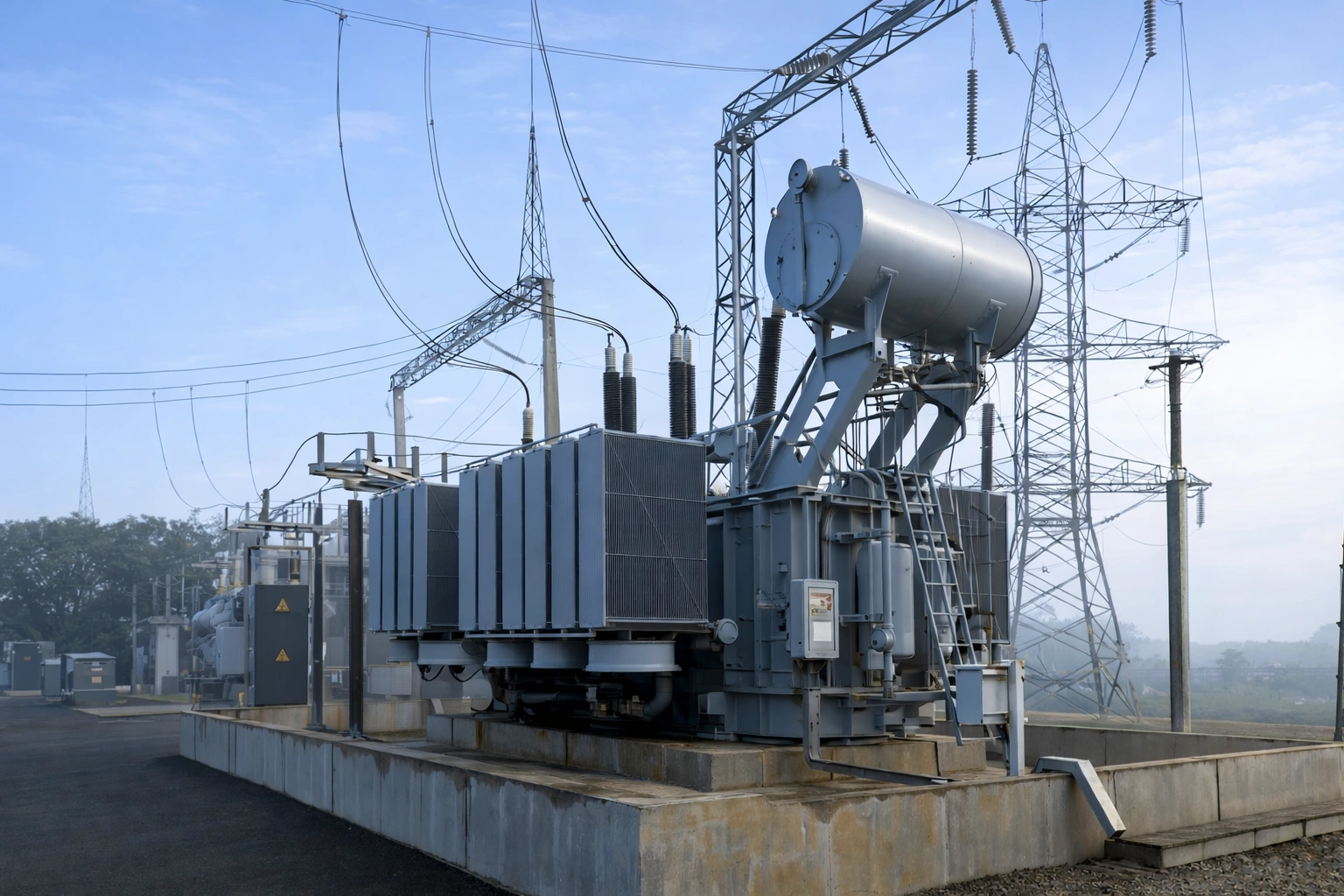
As the U.S. power grid undergoes rapid expansion and modernization, high-voltage and extra-high-voltage (EHV) infrastructure has become the backbone of reliable electricity transmission. From long-distance power evacuation to renewable energy integration and grid resiliency programs, power transformers play a decisive role in enabling stable, efficient, and scalable transmission networks.
Utilities, EPCs, and transmission developers are facing unprecedented pressure: aging transformer fleets, rising electricity demand, renewable interconnections, and extended industry-wide lead times. In this environment, selecting the right power transformers manufacturer is no longer a procurement exercise- it is a strategic infrastructure decision.
Unimacts supports this shift by delivering high-voltage and EHV power transformers through a manufacturing-first model built for U.S. grid requirements. With proven global production capability, strong engineering depth, and execution discipline, Unimacts enables utilities and developers to move critical transmission projects forward with confidence.
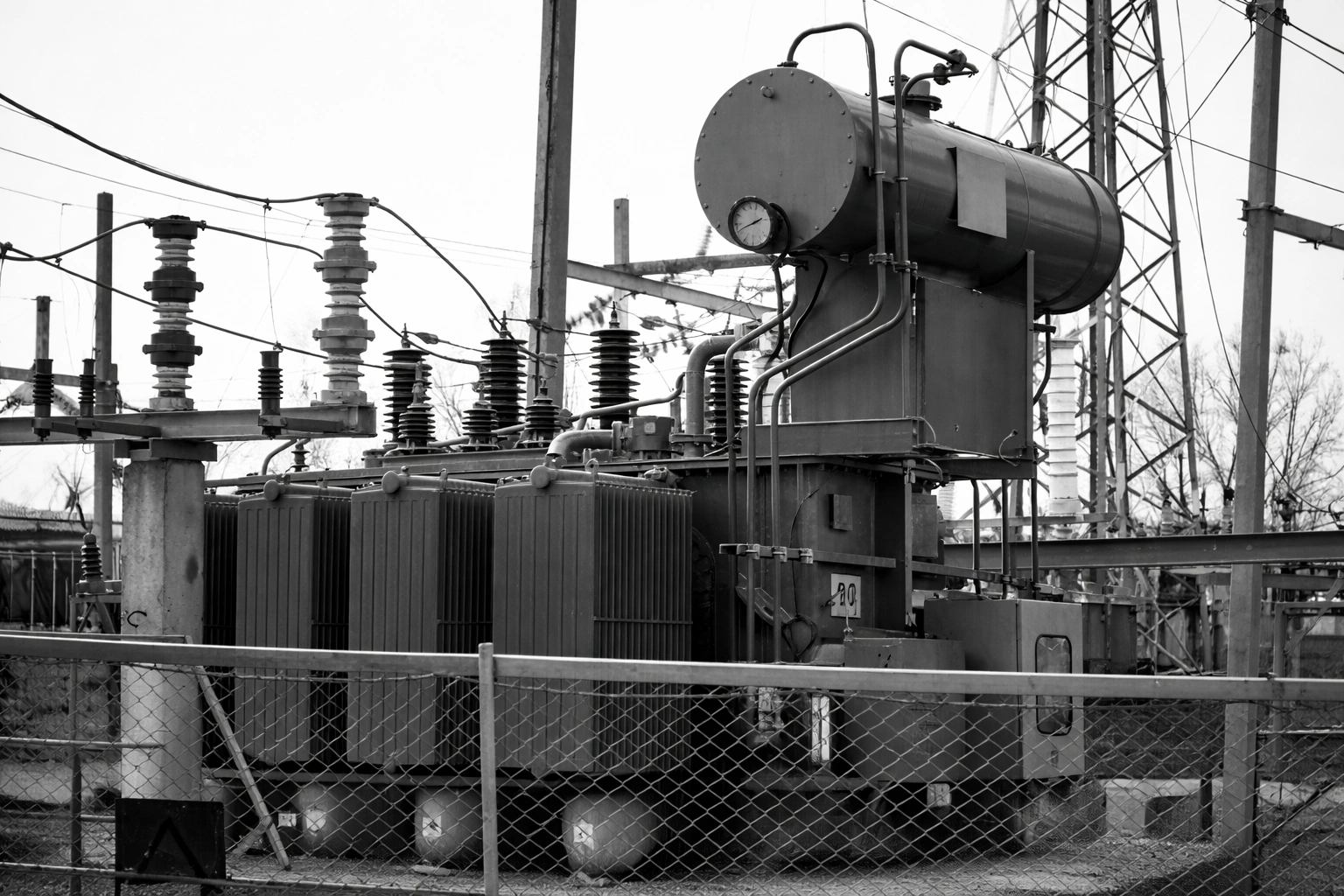
High-voltage (HV) and EHV power transformers are essential for efficient bulk power transmission, reducing losses over long distances and ensuring grid stability at scale.
According to data from the U.S. Energy Information Administration (EIA) and Department of Energy (DOE), transmission investment in the U.S. is projected to grow steadily through the next decade, with transformers representing one of the most capacity-constrained components in the supply chain.
Not all manufacturers of power transformers are equipped to deliver for HV and EHV applications. These transformers demand precision engineering, advanced materials, rigorous testing, and deep compliance knowledge.
For utilities evaluating high voltage power transformers manufacturers, manufacturing control and engineering credibility matter as much as nameplate ratings.
Unimacts operates a globally integrated transformer manufacturing model purpose-built to serve U.S. transmission and substation requirements.
Production is executed through advanced global facilities with end-to-end capabilities:
This vertically aligned manufacturing approach enables tighter quality control, predictable delivery schedules, and reduced execution risk for large-scale projects.
For utilities and EPCs evaluating power transformers manufacturers in USA, supply certainty and compliance readiness are increasingly critical.
This makes Unimacts a strong partner for:
While oil-filled units dominate EHV transmission, dry-type power transformers play a complementary role in high-voltage environments.
As a dry type power transformers manufacturer, Unimacts supports applications where safety, reduced maintenance, and environmental performance are prioritized.
Both designs are engineered with application-specific insulation systems, cooling methods, and lifecycle considerations.
Extended lead times remain a critical challenge across the transformer industry, with HV and EHV units often exceeding 30–36 months.
This allows Unimacts to support complex transmission schedules while minimizing exposure to single-source manufacturing risks—an increasingly important factor for regulated utilities and large EPCs.
High-voltage and EHV power transformers sit at the center of U.S. grid expansion, renewable integration, and long-term reliability planning. As utilities and developers navigate aging infrastructure, capacity constraints, and aggressive project timelines, the role of a capable manufacturing partner becomes mission-critical.
Unimacts brings a manufacturing-first, globally enabled approach to power transformers manufacturing for high-voltage and EHV networks. With strong engineering foundations, scalable production, and a deep understanding of utility-grade requirements, Unimacts supports transmission and substation projects that demand performance, predictability, and long-term value.
For organizations seeking experienced high voltage power transformers manufacturers aligned with modern grid realities, Unimacts delivers the capability and execution discipline required to move infrastructure forward.
1. Does Unimacts manufacture high-voltage and EHV power transformers?
Yes. Unimacts manufactures high-voltage and EHV power transformers for transmission, substation, and renewable interconnection applications.
2. Which customers does Unimacts serve?
Utilities, transmission developers, EPCs, renewable energy developers, and industrial power system operators.
3. Are Unimacts transformers suitable for U.S. utility standards?
Yes. Transformers are engineered to meet applicable IEEE, ANSI, and utility-specific technical requirements.
4. Does Unimacts support renewable energy grid connections?
Yes. Power transformers are designed for solar, wind, and BESS interconnections, including high-harmonic and variable-load conditions.
5. How does Unimacts address long transformer lead times?
Through globally distributed manufacturing, integrated supply chains, and flexible production planning to improve delivery predictability.