
Anupreethi
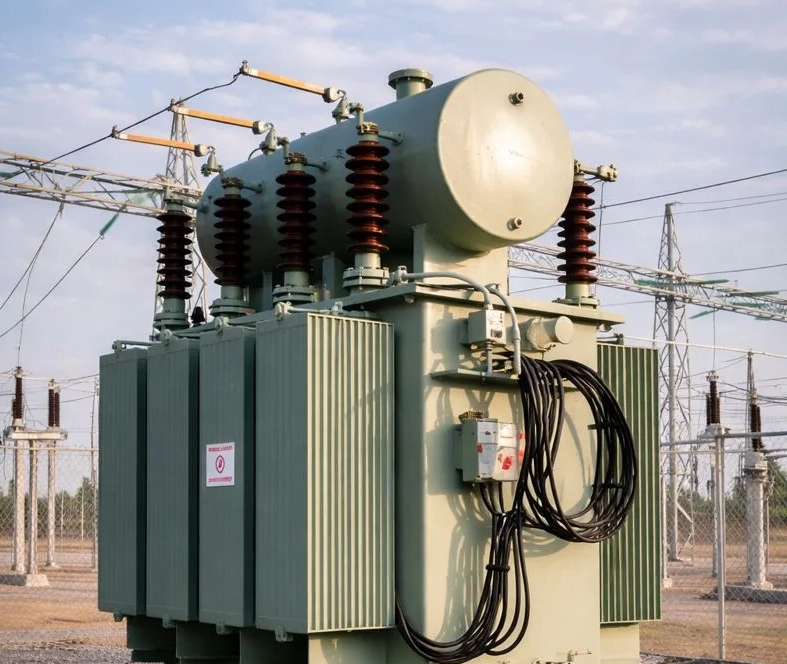
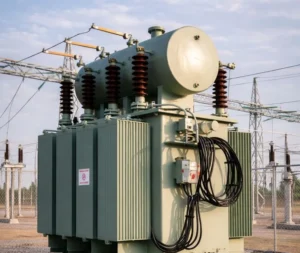
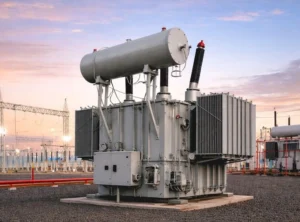
Substations are the backbone of modern power networks, enabling safe voltage transformation, reliable power flow, and grid stability across transmission and distribution systems. As utilities expand networks, integrate renewables, and modernize aging infrastructure, demand for dependable substation transformer manufacturers has increased significantly.
From large utility substations to compact and containerized installations, transformer performance directly impacts grid reliability, outage risk, and lifecycle costs. Today’s utilities and EPCs evaluate not just transformer ratings, but also manufacturing quality, compliance readiness, footprint optimization, and delivery certainty when selecting a substation transformer manufacturer.
Unimacts supports these evolving requirements with a manufacturing-first approach, delivering substation transformers engineered for modern grid demands and utility-scale deployment.
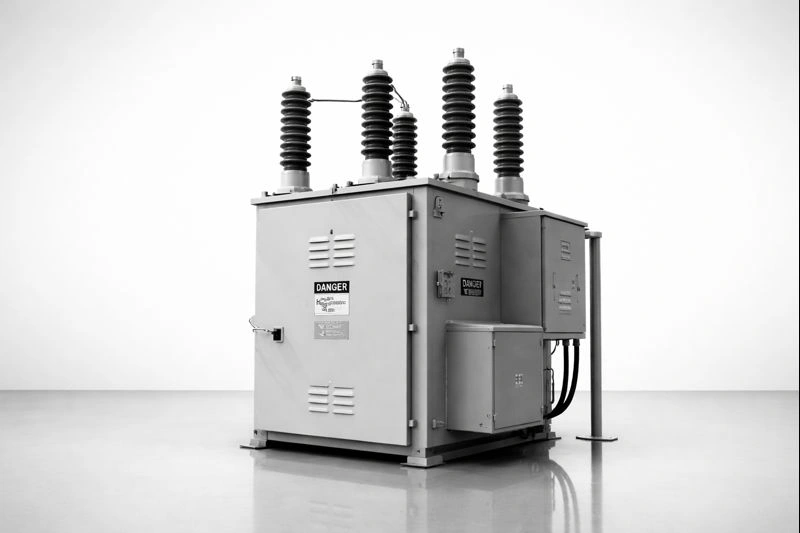
Substation transformers are responsible for stepping voltage levels up or down between transmission and distribution networks. They are installed at critical nodes where reliability, safety, and performance margins are non-negotiable.
As grid complexity increases, substation transformers manufacturers must design equipment capable of handling variable loads, fault conditions, and long-term continuous operation.
Leading substation transformer manufacturers distinguish themselves through engineering depth, disciplined manufacturing, and proven execution capability.
Utilities increasingly favor manufacturers who can deliver consistent quality across both traditional and compact substation formats.
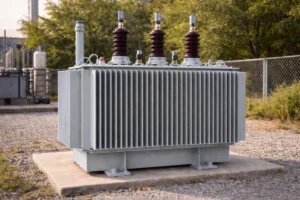
Distribution substation transformers play a critical role in stepping down power for industrial, commercial, and residential networks. These units must balance efficiency, footprint, and operational reliability.
Manufacturers offering distribution transformer manufacturers dry type substation transformer options provide added flexibility for indoor or safety-sensitive installations.
Dry-type transformers are increasingly deployed in substations where fire safety, environmental performance, and reduced maintenance are priorities.
Experienced dry type substation transformer suppliers design these units with optimized cooling and insulation systems to support dependable long-term operation.
Space constraints, accelerated project timelines, and modular deployment models are driving adoption of compact and containerized substations.
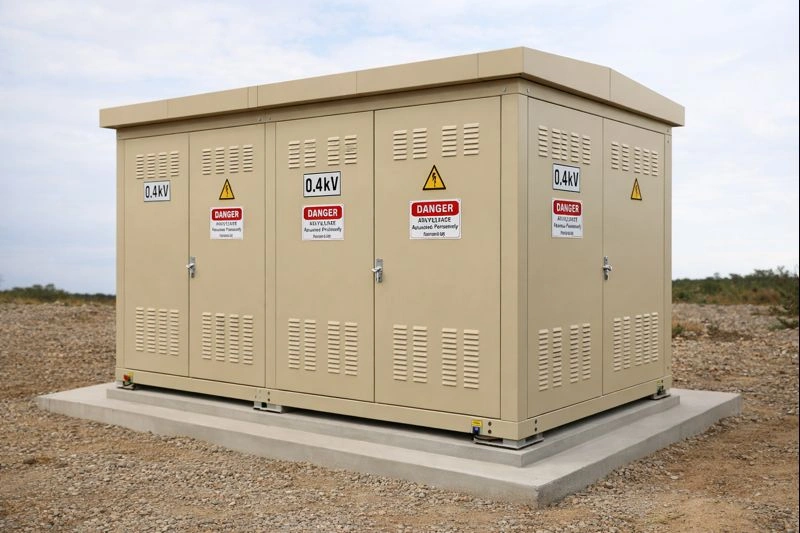
A containerized electrical substation integrates transformers, switchgear, protection, and control equipment within a prefabricated enclosure. These systems reduce site work and commissioning time.
Container substations are widely used for renewable projects, temporary power installations, and remote locations where speed and portability matter.
A compact substation transformer combines reduced footprint with utility-grade performance, making it suitable for urban networks and industrial campuses.
Manufacturers with experience as a container type transformer substation supplier or compact substation supplier offer EPCs faster deployment and lower on-site risk.
While many buyers search for compact substation manufacturers in India or global supply partners, U.S. utilities increasingly evaluate manufacturers based on compliance alignment, quality systems, and delivery reliability rather than geography alone.
A capable substation transformer manufacturer should demonstrate:
Unimacts delivers substation transformer solutions through a globally enabled manufacturing model aligned with U.S. utility and EPC requirements.
This approach enables utilities and EPCs to deploy reliable transformer infrastructure across traditional substations, compact sites, and modular power systems.
Transformer availability remains a key bottleneck across grid expansion programs. Utilities increasingly prioritize substation transformers manufacturers who can mitigate risk through disciplined planning and diversified production.
Unimacts focuses on:
These factors help reduce commissioning delays and support long-term infrastructure planning.
Substation transformers are mission-critical assets that directly influence grid reliability, safety, and operational performance. As networks evolve toward higher load density, renewable integration, and modular deployment, the role of capable substation transformer manufacturers becomes increasingly strategic.
Unimacts brings a manufacturing-first, execution-driven approach to substation transformer programs—supporting utilities, EPCs, and developers with dependable distribution, dry-type, and compact substation solutions. For organizations building resilient and future-ready power networks, selecting the right substation transformer partner is essential to long-term success.
1. What do substation transformer manufacturers supply?
They supply transformers designed for voltage transformation within transmission and distribution substations.
2. Are dry-type transformers suitable for substations?
Yes. Dry-type substation transformers are widely used for indoor and safety-sensitive applications.
3. What is a containerized electrical substation?
It is a prefabricated substation housed within a container, integrating transformers and switchgear for rapid deployment.
4. Where are compact substation transformers commonly used?
Urban networks, industrial facilities, renewable energy sites, and space-constrained installations.
5. How do utilities manage transformer lead times?
By partnering with manufacturers that offer scalable production, disciplined planning, and delivery reliability.