
Anupreethi
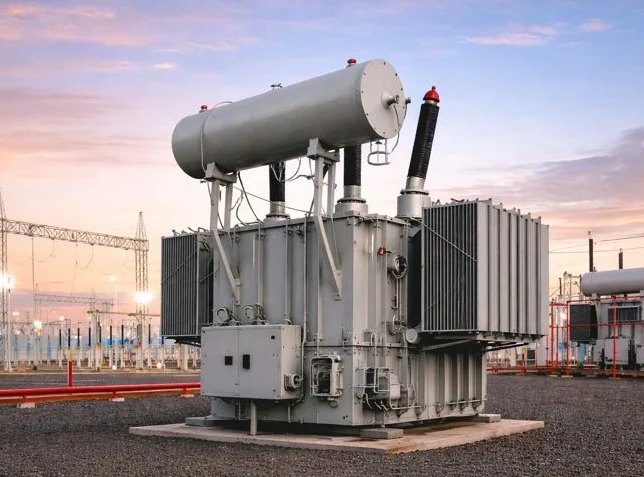
Distribution transformers are the final and most visible link between utility power networks and end users. Positioned at substations, feeders, and local distribution points, these transformers directly influence service reliability, voltage stability, and power quality experienced by customers.
As U.S. utilities modernize aging distribution infrastructure and adapt to rising electrification demand, expectations from distribution transformers have increased. Beyond nameplate ratings, utilities now prioritize durability, thermal performance, loss optimization, and predictable lifecycle behavior. In this context, manufacturing quality and execution discipline are critical to ensuring reliable grid-edge power delivery.
Unimacts supports utility distribution programs through a manufacturing-first approach focused on long-term reliability, standards compliance, and scalable production.
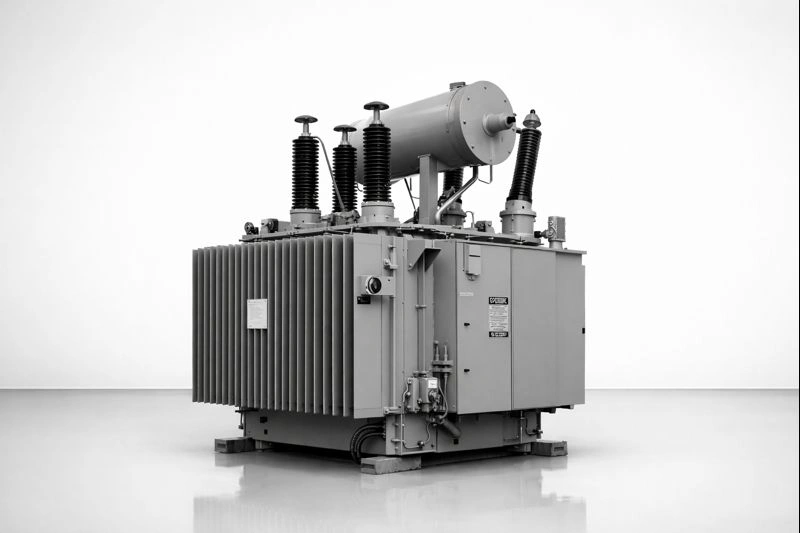
Distribution transformers operate closest to consumers and are deployed in far greater numbers than transmission assets. Their performance directly affects outage frequency, voltage regulation, and customer satisfaction.
Because failures have immediate customer impact, utilities evaluate distribution transformers with a strong focus on lifecycle performance rather than upfront cost alone.
Distribution networks span diverse environments—from dense urban corridors to rural feeders—each imposing different electrical and mechanical stresses.
Manufacturers that consistently meet these requirements enable utilities to standardize transformer fleets and reduce maintenance variability across their networks.
Utilities deploy both oil-filled and dry-type distribution transformers depending on site conditions and safety requirements.
Commonly used in outdoor and utility-owned installations, oil-filled units offer:
Dry-type transformers are preferred where fire safety, indoor installation, or environmental constraints are priorities. They are widely used in indoor substations, commercial facilities, and urban infrastructure.
Each configuration demands disciplined manufacturing to ensure insulation integrity and stable thermal performance over decades of operation.
Loss performance is a critical consideration for utilities, as cumulative losses across thousands of distribution transformers significantly affect operating costs.
Manufacturers with strong process control deliver predictable efficiency, helping utilities meet regulatory and operational efficiency targets.
Electrification trends—such as electric vehicle adoption, data center growth, and distributed generation—are reshaping load behavior at the distribution level.
Modern distribution transformers must:
Utilities increasingly specify conservative thermal margins to accommodate long-term load growth and system flexibility.
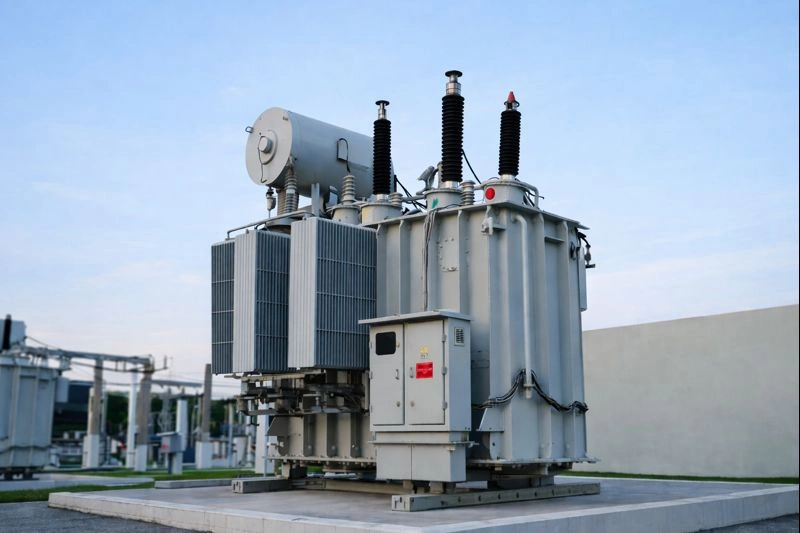
Distribution transformers are often procured in large volumes under multi-year utility programs. In this context, execution reliability is as important as technical performance.
Utilities favor manufacturers that can:
Predictable delivery reduces outage risk and simplifies field deployment planning.
Unimacts delivers distribution transformers through a globally integrated manufacturing model aligned with U.S. utility standards and deployment needs.
This manufacturing-first approach enables utilities to deploy distribution transformers with confidence in long-term performance and supply continuity.
Distribution transformers play a decisive role in reliable utility power delivery, shaping performance at the grid edge where outages and voltage issues are most visible. As distribution networks evolve to support electrification and load growth, utilities must rely on transformers engineered for durability, efficiency, and predictable lifecycle behavior.
Utilities and EPCs planning distribution upgrades can partner with Unimacts to source utility-grade distribution transformers built for long-term reliability, scalable deployment, and consistent execution across grid-edge projects.
1. What is the role of distribution transformers in utility networks?
They step down voltage at the grid edge to deliver safe, usable power to end users.
2. How long do distribution transformers typically last?
With proper design and loading, they commonly operate for 25–35 years.
3. Why are transformer losses important for utilities?
Losses accumulate across large fleets and directly impact operating costs and efficiency targets.
4. Are dry-type distribution transformers used by utilities?
Yes. They are widely used in indoor substations and safety-sensitive environments.
5. What factors affect distribution transformer lead times?
Material availability, production scale, and overall utility demand volumes.