
Anupreethi
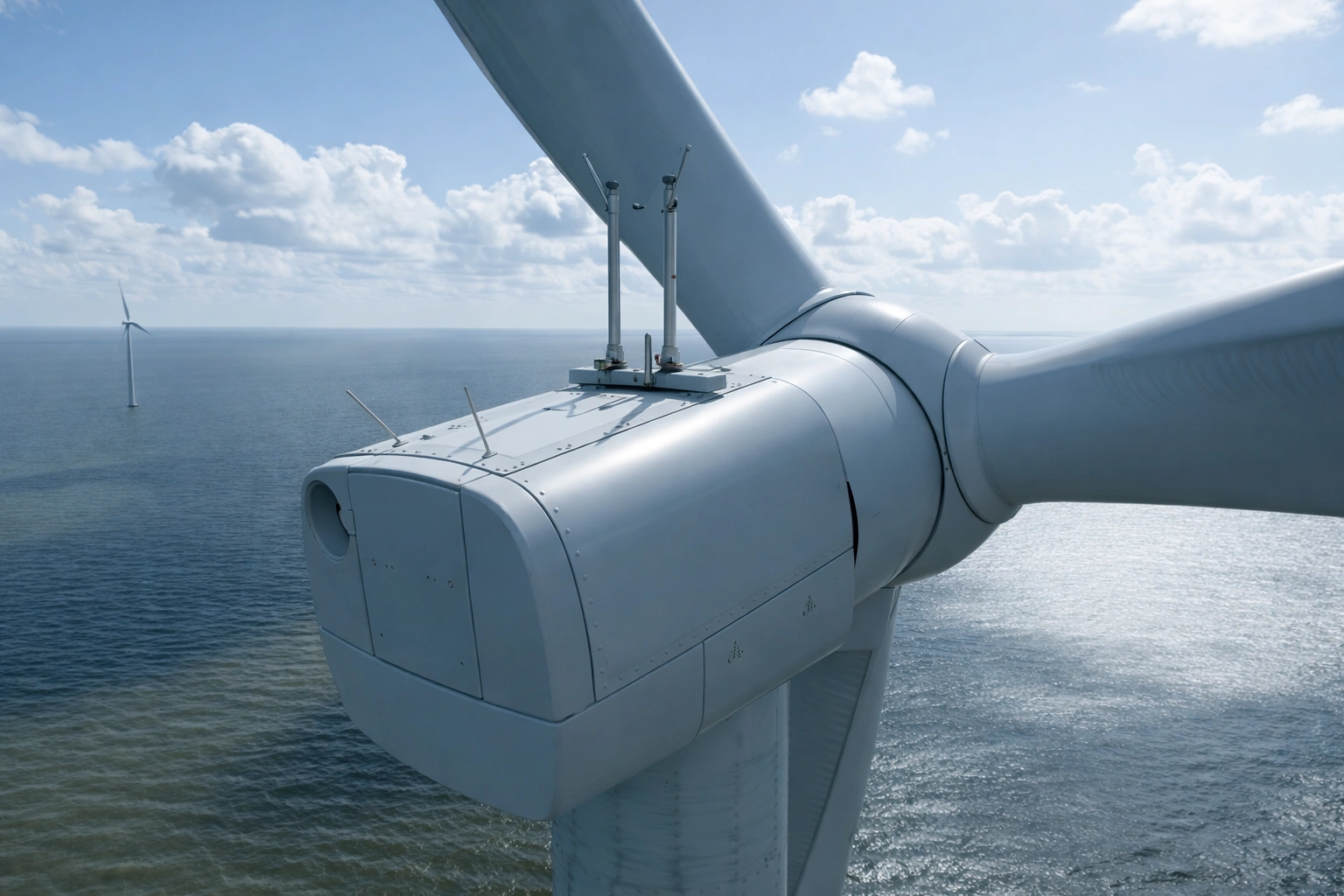
Europe’s wind sector is scaling at an unprecedented pace – driven by decarbonisation targets, energy security priorities, and rapid offshore expansion. At the centre of this growth lies a complex ecosystem of wind turbine components, each engineered to operate as part of an integrated system under demanding mechanical, electrical, and environmental conditions.
For wind OEMs, developers, and EPCs, understanding how these components interact – and how they are manufactured at scale – has become critical to reliability, lifecycle cost, and project bankability. This guide provides a system-level view of the key components of modern wind turbines, with a specific lens on European onshore and offshore requirements.
A modern wind turbine is not a standalone machine but a coordinated assembly of mechanical, structural, and electrical subsystems. Performance, availability, and safety depend on how well individual components function together, not in isolation.
Across Europe, turbines are increasingly:
This has raised expectations around component durability, manufacturing precision, and system integration.
The tower provides structural support and houses internal systems such as ladders, cable routes, and power transmission lines. European offshore projects often require customised interfaces to support jacket or monopile foundations.
Key considerations:
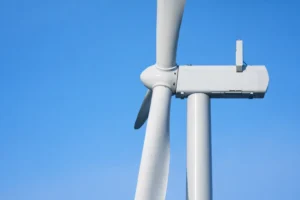
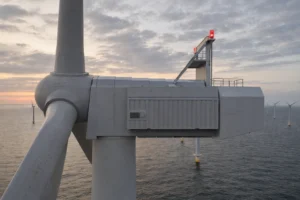
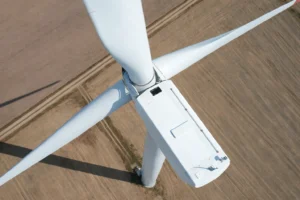
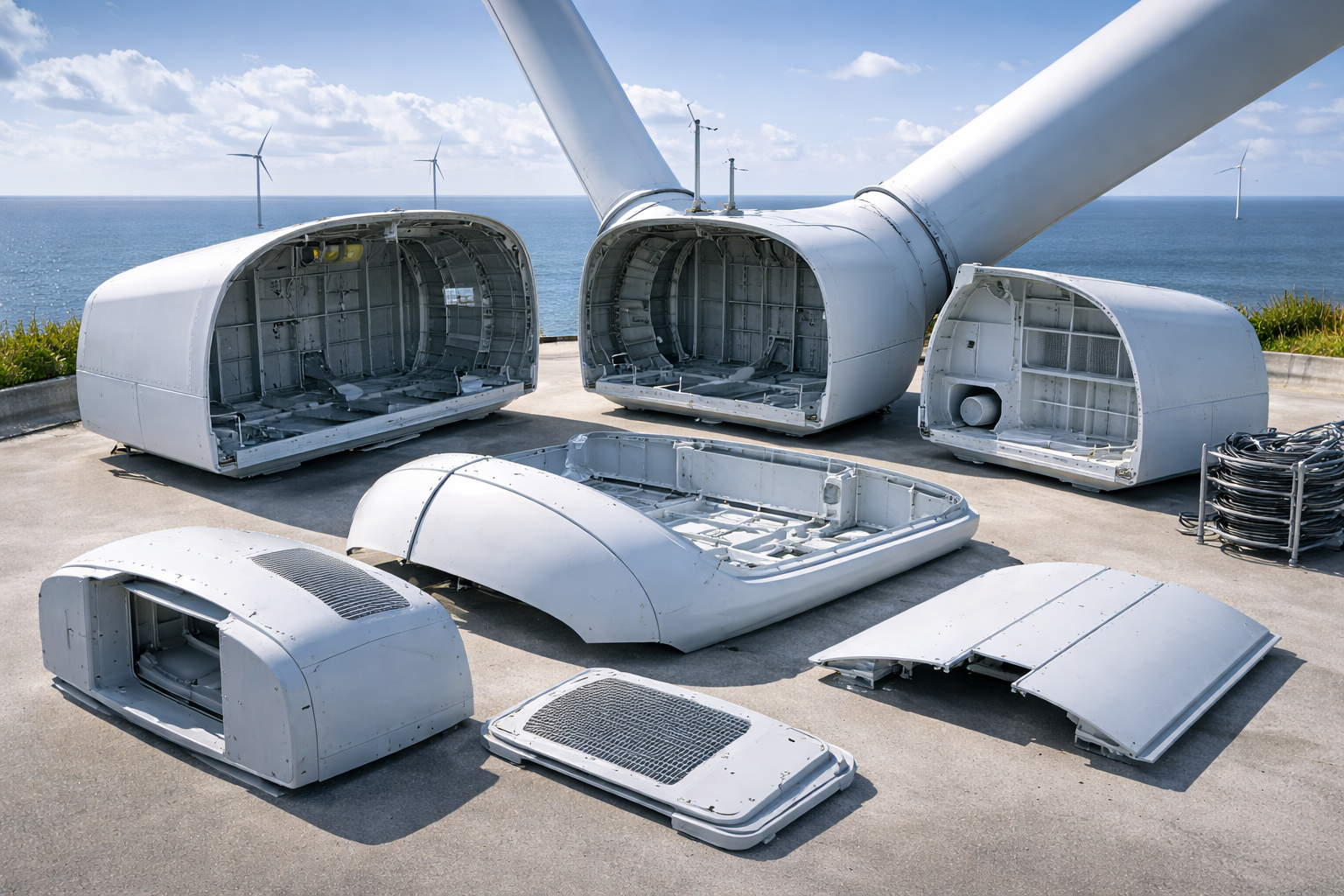
The wind turbine nacelle encloses and supports major drivetrain and electrical components. Structural frames, nacelle shells, side covers, and canopy systems must meet strict tolerance and environmental protection standards.
Nacelle structures are increasingly modular to support faster installation and maintenance.
Wind turbine blades capture kinetic energy and transfer loads to the rotor hub. In Europe, longer blades are being deployed to improve capacity factors, especially in low-wind onshore regions.
The hub connects blades to the main shaft and distributes aerodynamic loads. It must withstand continuous cyclic stresses over a 20–25 year operating life.
The wind turbine spinner protects hub components from weather exposure while improving aerodynamic performance.
These components transmit mechanical energy from the rotor to the generator. Reliability is critical, as failures result in long downtimes – especially offshore.
While some turbines use direct-drive systems, gearboxes remain common in many European installations. Precision manufacturing and quality control are essential to manage torque loads and vibration.
Electrical systems convert mechanical energy into grid-compatible power and ensure safe operation.
The generator produces electrical energy, typically operating under variable speeds and loads.
These include converters, controllers, and monitoring systems that regulate output and protect the turbine.
Transformers step up voltage levels for efficient power transmission to substations. In wind projects, transformers are commonly housed in nacelles, tower bases, or external enclosures.
Cable trays, connectors, and enclosures protect power and control cables from vibration, moisture, and mechanical damage – particularly important in offshore environments.
Modern turbines rely on advanced control systems to:
These systems integrate sensors, actuators, and control panels housed in industrial enclosures designed for harsh operating environments.
European offshore wind turbines face:
As a result, offshore wind turbine components often require:
Onshore components, while exposed to less severe conditions, must prioritise transportability, ease of installation, and cost efficiency.
Europe’s wind energy industry increasingly values:
For wind turbine components, this translates into demand for:
Manufacturers capable of supporting both onshore and offshore requirements are becoming strategic partners rather than transactional suppliers.
Recent WindEurope data reports that Europe now has ~291 GW of installed wind capacity, with 254 GW onshore and 37 GW offshore. In the first half of 2025, Europe added 6.8 GW of new wind, ~90 % of it onshore. Forecasts indicate Europe will add an average of 22 GW per year through 2030, bringing total installations close to 344 GW — underscoring both growth opportunity and execution challenges. Equipment orders are increasing, with 11.3 GW of new turbine contracts and €34 billion in wind investment decisions already secured in early 2025. This momentum highlights the ongoing and growing demand for high-quality wind turbine components across Europe.
As Europe continues to scale both onshore and offshore wind capacity, the focus is shifting from individual parts to fully integrated wind turbine components and systems that can be delivered reliably, repeatedly, and at scale. Structural integrity, electrical robustness, and system-level integration are now as critical as turbine efficiency itself.
For wind OEMs and project developers, this places increasing emphasis on manufacturing partners that understand the full lifecycle of wind turbine components – from design and fabrication to execution readiness across diverse European operating environments.
Unimacts supports Europe’s wind industry with precision-engineered structural and electrical components, spanning nacelle structures, enclosures, fabricated assemblies, and balance-of-plant elements used across onshore and offshore wind energy projects. With a manufacturing approach aligned to European quality standards and execution timelines, Unimacts enables wind programmes to scale with confidence – while maintaining consistency, durability, and long-term performance.
As wind energy becomes a cornerstone of Europe’s power system, success will depend not just on turbine technology, but on the strength and reliability of the industrial ecosystem behind it.
1. What are the main components of a wind turbine?
Structural elements like the tower and nacelle, rotor systems (blades, hub, spinner), drivetrain, generator, electrical systems, control systems, and grid interface components.
2. How do offshore turbines differ from onshore turbines?
Offshore turbines require enhanced structural durability, corrosion resistance, and modularised assemblies suited for marine installation.
3. Where are transformers used in wind turbines?
Transformers are used to step up generated voltage and are typically located in the nacelle, tower base, or external substation enclosures.
4. Why is wind turbine component integration important?
Integration ensures system reliability, performance optimisation, and reduction in lifecycle cost.
5. What manufacturing qualities matter most for wind turbine components?
Precision fabrication, compliance with IEC/EN standards, corrosion resistance, and modular design for efficient execution.