

Unimacts
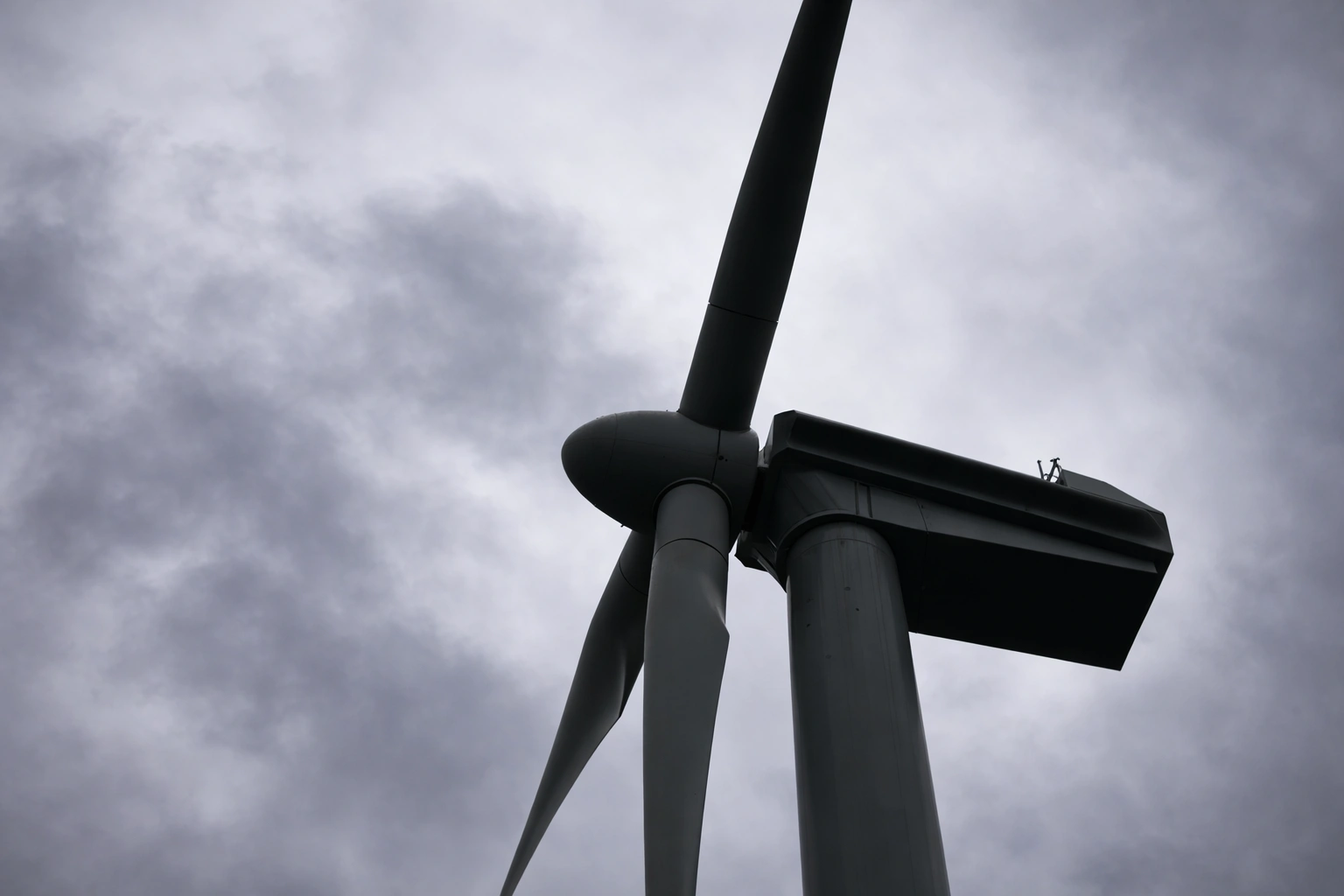
The nacelle is often described as the “brain” of a wind turbine. Housing the drivetrain, generator, electrical systems, and control architecture, it plays a central role in determining turbine reliability, performance, and serviceability. As Europe scales both onshore and offshore wind installations, wind turbine nacelle components are becoming increasingly complex—driven by larger turbine ratings, harsher operating environments, and tighter project timelines.
For OEMs and developers, the nacelle is no longer just an enclosure. It is a highly engineered structural and electrical system that must balance load management, environmental protection, thermal performance, and ease of maintenance. This blog examines the key nacelle components, how they function together, and the manufacturing considerations that matter most for European wind projects.
The nacelle sits atop the tower and connects the rotor system to the electrical output of the turbine. Its core functions include:
Any compromise in nacelle structural integrity or system integration can lead to misalignment, vibration, increased wear, and reduced turbine availability.
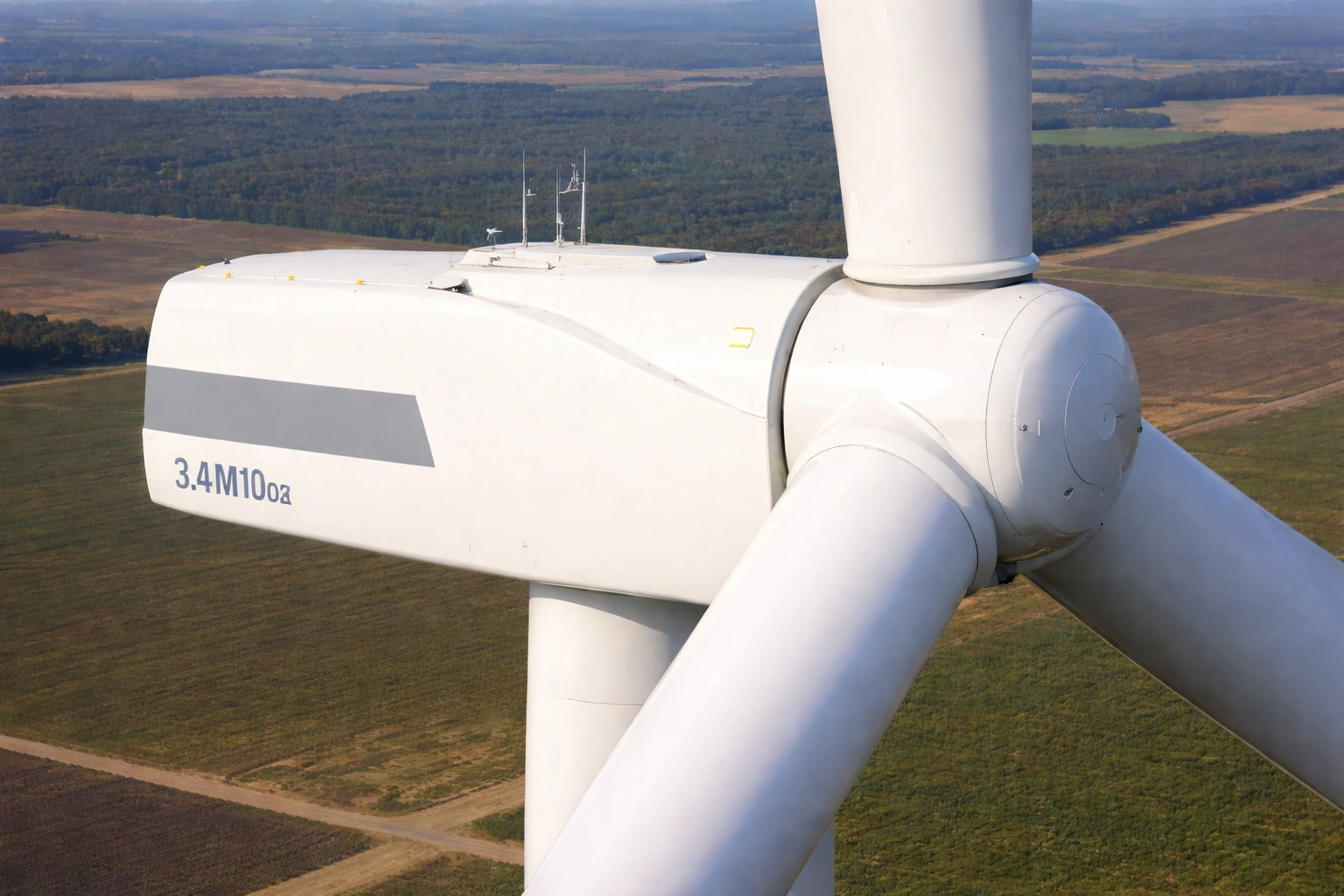
The nacelle frame—often referred to as the bedplate—forms the primary load-bearing structure. It supports:
Manufacturing priorities include:
As turbine ratings increase, bedplates are becoming heavier and more structurally demanding, particularly for offshore applications.
The nacelle housing encloses internal components and protects them from wind, rain, dust, and salt exposure. Typical elements include:
These components must combine structural rigidity with lightweight construction to minimise top-mass while ensuring long-term durability.
The main shaft transmits rotational energy from the rotor hub to the drivetrain. Bearings supporting the shaft manage combined axial and radial loads and are critical to turbine reliability.
Depending on turbine design, the nacelle may house:
Both configurations impose different structural and alignment requirements on the nacelle frame and mounting interfaces.
The generator converts mechanical energy into electrical power and is one of the heaviest nacelle components. Its integration affects:
Power electronics—such as converters and inverters—regulate voltage and frequency to meet grid requirements. These systems are typically housed in dedicated electrical enclosures within the nacelle, designed to withstand vibration and thermal cycling.
Modern wind turbine nacelles contain extensive electrical and control infrastructure, including:
These systems enable:
Industrial-grade enclosures, cable trays, and routing systems are essential to protect electrical components and ensure long-term operational stability.
The yaw system rotates the nacelle to face the wind direction. Key components include:
The yaw interface must handle continuous dynamic loads while maintaining smooth rotation and precise alignment. Structural integration between the nacelle base and tower top is therefore a critical design and manufacturing consideration.
Nacelles operate under varying temperature and humidity conditions. Offshore turbines face additional challenges from salt spray and condensation.
Key considerations include:
Poor thermal management can lead to overheating, reduced component life, and unexpected shutdowns.
Nacelle structures require tight tolerances to ensure correct alignment of drivetrain and generator components. Precision welding, machining, and dimensional inspection are essential.
To reduce installation time and improve quality control, many nacelle components are increasingly manufactured as modular assemblies. This approach supports:
European wind projects require compliance with IEC and EN standards covering:
Manufacturers must demonstrate consistent quality and traceability across production batches.
While core nacelle architecture remains similar, execution priorities differ:
Offshore nacelles
Onshore nacelles
These differences directly influence material selection, fabrication processes, and assembly strategies.
Europe continues to expand its wind fleet across both onshore and offshore segments. According to WindEurope, turbine sizes and installed capacities are increasing steadily, placing greater demands on nacelle structures, electrical systems, and manufacturing execution. As projects scale, OEMs are prioritising suppliers capable of delivering nacelle components with consistent quality, repeatability, and execution readiness.
The nacelle is the structural and operational core of a wind turbine. Its components—ranging from bedplates and housings to generators, control systems, and electrical enclosures—must function together seamlessly to ensure performance, reliability, and safety.
As Europe advances toward larger turbines and more offshore installations, wind turbine nacelle components are becoming more demanding in terms of design complexity and manufacturing precision. Success increasingly depends on partners who understand system-level integration and can deliver high-quality nacelle structures and assemblies at industrial scale.
Unimacts supports the wind industry with engineered nacelle structures, enclosures, and integrated assemblies, aligned with European quality standards and execution requirements. By combining structural fabrication and electrical integration capabilities, Unimacts enables OEMs and developers to scale wind projects with confidence.
1. What components are housed inside a wind turbine nacelle?
The nacelle houses the drivetrain, generator, power electronics, control systems, yaw system, and supporting structural and electrical components.
2. Why are nacelle components critical to turbine performance?
They directly affect alignment, load distribution, cooling, and protection of key systems, influencing reliability and availability.
3. How do offshore nacelle requirements differ from onshore?
Offshore nacelles require enhanced corrosion protection, heavier structures, and greater redundancy due to limited access.
4. What materials are commonly used in nacelle structures?
Steel is widely used for frames and bedplates, while composite or FRP materials may be used for housings and covers.
5. Why is manufacturing precision important for nacelle components?
Tight tolerances ensure proper alignment of drivetrain and electrical systems, reducing wear and extending turbine lifespan.