
Anupreethi
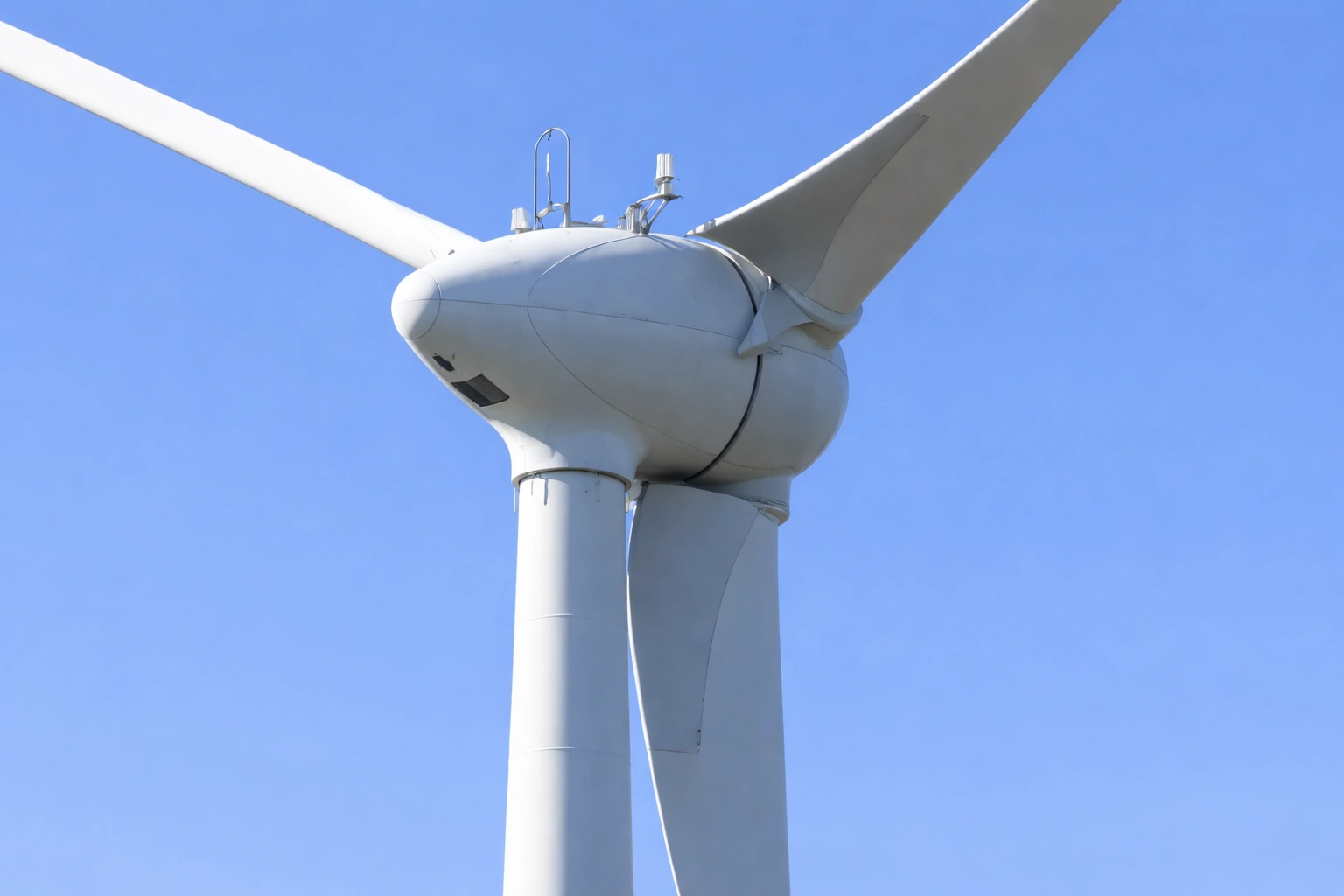
Europe’s wind sector operates under advanced regulatory frameworks, aggressive decarbonisation targets, and increasing offshore deployment complexity. As turbine ratings scale beyond 12–15 MW and project pipelines extend further offshore, OEMs are refining their supplier qualification processes.
Selecting wind turbine component manufacturers is no longer a cost-driven exercise. European OEMs evaluate partners based on engineering depth, fabrication precision, quality governance, offshore readiness, and supply chain resilience.
Component manufacturing directly influences turbine uptime, lifecycle reliability, and grid compliance. Procurement strategies therefore prioritise long-term technical alignment over short-term pricing advantages.
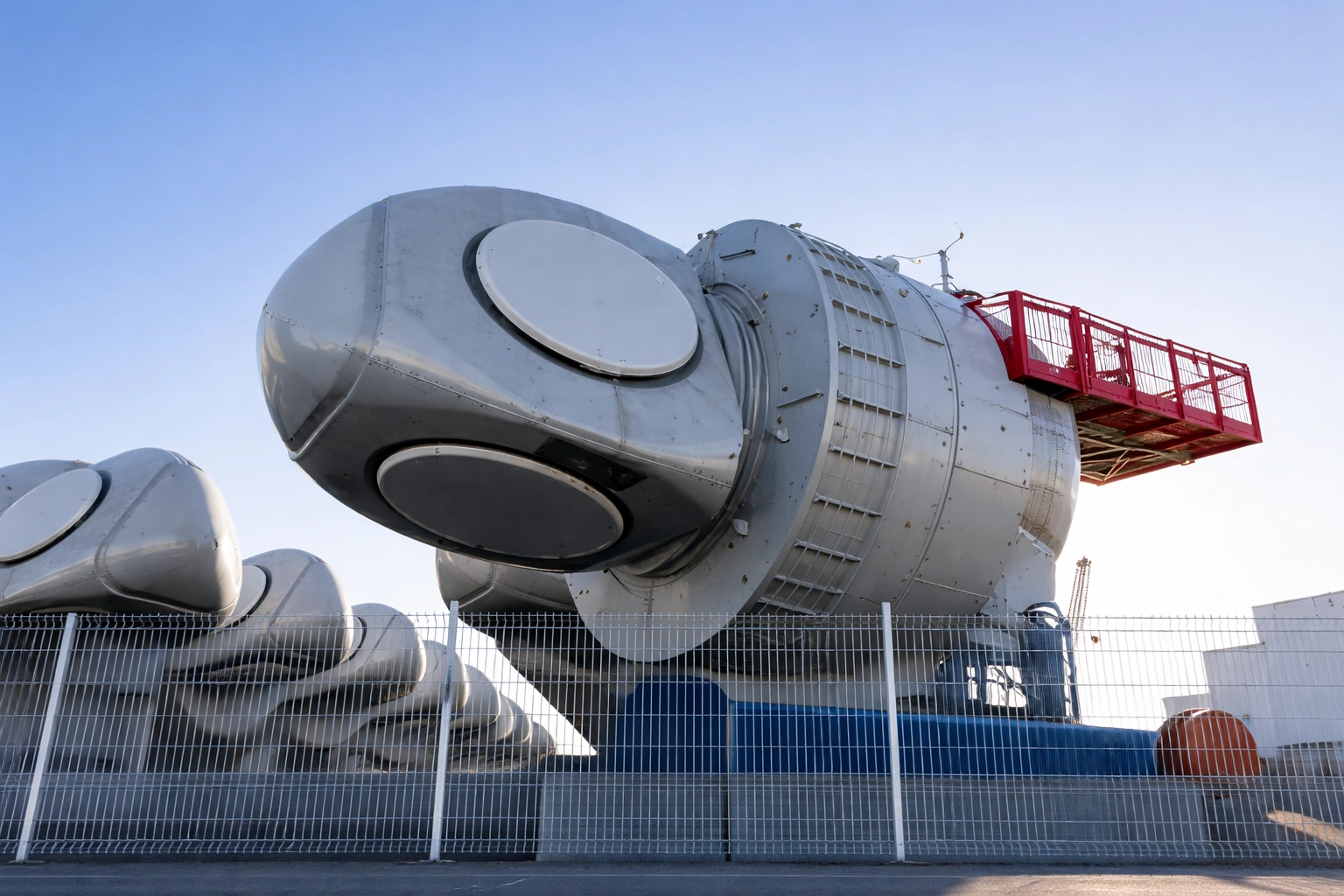
Wind turbine systems rely on high-load structural assemblies, including:
OEMs assess manufacturers on their ability to maintain tight dimensional tolerances across large welded structures. Misalignment at the fabrication stage can impact drivetrain performance and fatigue life.
Key evaluation factors include:
Unimacts supports European wind programs through precision-engineered structural fabrication designed to maintain alignment stability under high dynamic loads.
Offshore wind dominates Europe’s future capacity expansion. Component manufacturers must demonstrate capability to operate within marine engineering standards.
OEM offshore qualification reviews typically assess:
Structural components exposed to salt-laden air and dynamic loading require enhanced fatigue resistance and coating durability.
Manufacturers unable to meet offshore validation standards are typically excluded from high-value turbine programs.
Wind turbine component manufacturers increasingly supply not only structural steel but also electrical enclosure systems and integration-ready assemblies.
OEMs evaluate:
Wind turbine electrical components must interface seamlessly with converters, switchgear, and monitoring systems.
Unimacts manufactures structural frames and electrical enclosure assemblies aligned to IEC-compliant manufacturing frameworks, supporting integrated nacelle and tower electrical systems.
European wind deployment depends on predictable, repeatable production at scale.
OEM procurement teams examine:
Suppliers must demonstrate the ability to transition from prototype builds to serial production without dimensional drift or quality degradation.
Structured production governance and statistical process control are critical to long-term supplier qualification.
Wind turbine platforms operate under strict regulatory oversight and third-party certification.
OEMs require:
Audit-ready manufacturing systems reduce project risk and improve certification timelines.
Unimacts operates with documented quality systems and inspection frameworks structured to support European audit requirements across structural and transformer-adjacent components.
While technical capability remains primary, OEMs also assess financial resilience.
Wind projects involve multi-year supply contracts and long development cycles. Suppliers must demonstrate:
Enterprise-level backing can strengthen supplier credibility in large offshore programs where bankability is critical.
Component manufacturers are increasingly evaluated on their understanding of broader system integration.
Wind turbines interface with:
Suppliers capable of supporting transformer-adjacent structural fabrication and electrical integration are positioned to contribute more cohesively to project-level execution.
Unimacts’ fabrication capabilities extend to transformer structural tanks, heavy steel enclosures, and grid-aligned manufacturing processes that complement turbine component production.
European procurement frameworks increasingly incorporate:
Component manufacturers must demonstrate transparent sourcing, sustainable fabrication practices, and regulatory compliance aligned to EU industrial policy.
Manufacturing partners that align with localisation strategies gain competitive advantage in public tenders and offshore licensing frameworks.
Selecting wind turbine component manufacturers in Europe requires a multidimensional evaluation framework. Structural precision, offshore durability, electrical integration capability, scalable production governance, financial stability, and regulatory compliance define supplier competitiveness.
OEMs prioritise partners capable of delivering repeatable engineering accuracy across long-term turbine programs while maintaining audit-ready quality systems.
Through precision structural fabrication, electrical enclosure manufacturing, offshore-aligned production processes, and transformer-adjacent capabilities, Unimacts supports European wind programs with integration-focused manufacturing aligned to evolving OEM expectations.
In a market where reliability, lifecycle performance, and supply continuity directly impact project economics, disciplined engineering and structured production governance remain the foundation of successful OEM partnerships.
1. What do OEMs prioritise when selecting wind turbine component manufacturers?
Structural precision, offshore capability, scalable production, and certified quality governance.
2. Why is offshore readiness important in Europe?
Offshore wind represents a major share of future capacity, requiring marine-grade fabrication standards.
3. How important is electrical integration capability?
Manufacturers must support enclosure systems and integration-ready assemblies aligned to IEC standards.
4. Do OEMs evaluate financial stability?
Yes. Long-term supply contracts require financially resilient partners.
5. Does Unimacts manufacture wind turbine components?
Yes. Unimacts produces structural assemblies, electrical enclosure systems, and transformer-adjacent components for European wind programs.