
Anupreethi
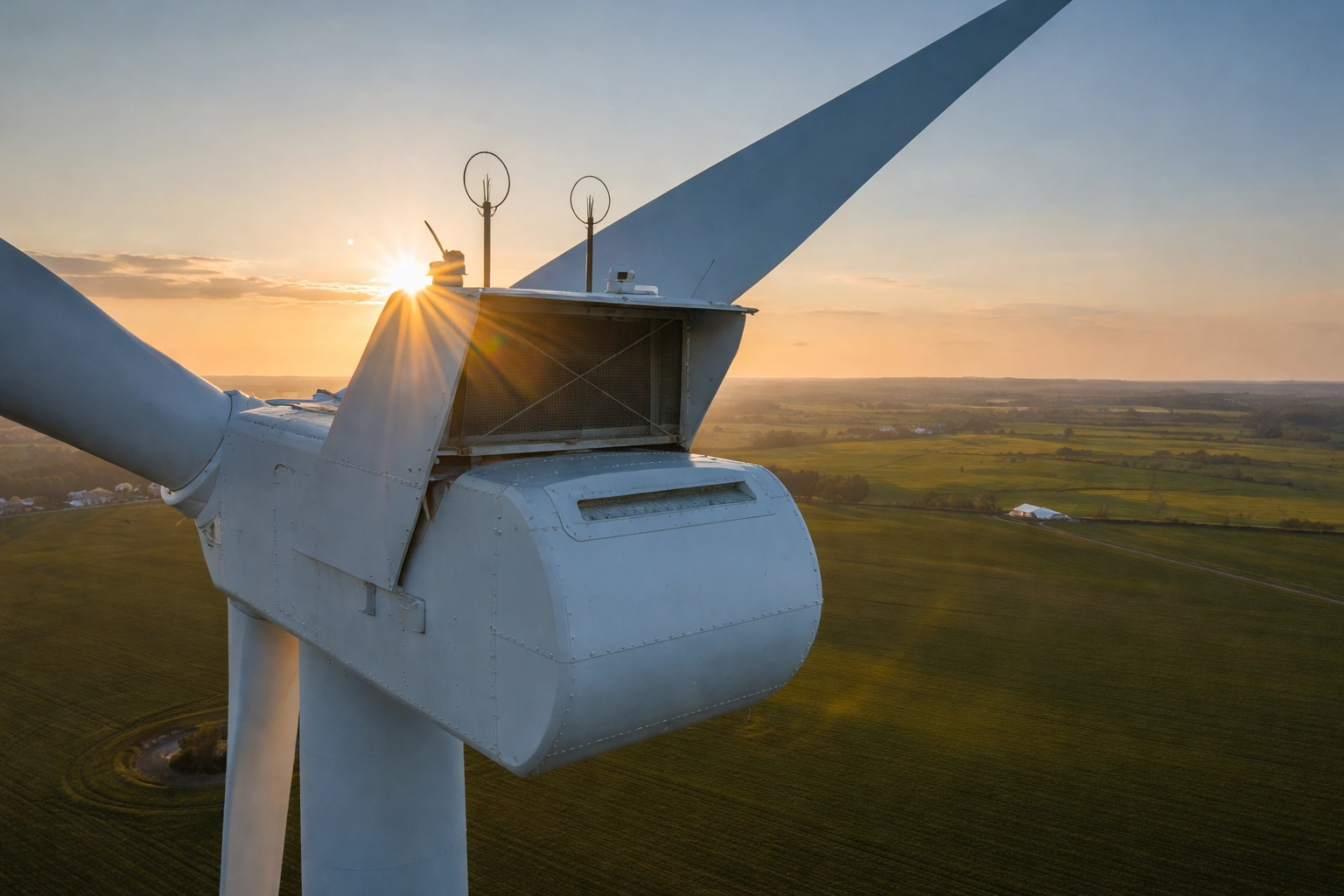
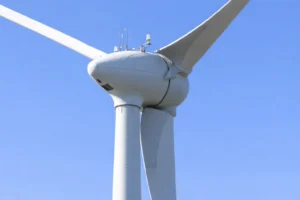
As turbine capacities increase across Europe’s onshore and offshore wind programs, the nacelle has evolved into a highly engineered integration hub. It houses the drivetrain, generator, power electronics, control systems, and auxiliary equipment that convert kinetic wind energy into grid-compliant electricity.
Understanding how these mechanical and electrical systems integrate inside a wind turbine nacelle is critical for OEMs seeking improved efficiency, reliability, and scalability. Modern wind energy solutions depend on seamless coordination between structural fabrication, drivetrain alignment, enclosure systems, and power conversion architecture.
Unimacts supports this ecosystem by manufacturing critical structural and electrical components that enable nacelle system integration for European wind platforms.
The nacelle structure forms the mechanical foundation of the turbine. The bedplate supports the gearbox, generator, and main shaft while maintaining precise alignment under dynamic loads.
Key structural components include:
These elements must manage:
Precision welding, large-format machining, and dimensional inspection ensure drivetrain alignment remains within tolerance. Structural inaccuracies can accelerate gearbox wear or reduce generator efficiency.
Unimacts manufactures high-load wind turbine components engineered to maintain stability under extreme operating conditions.
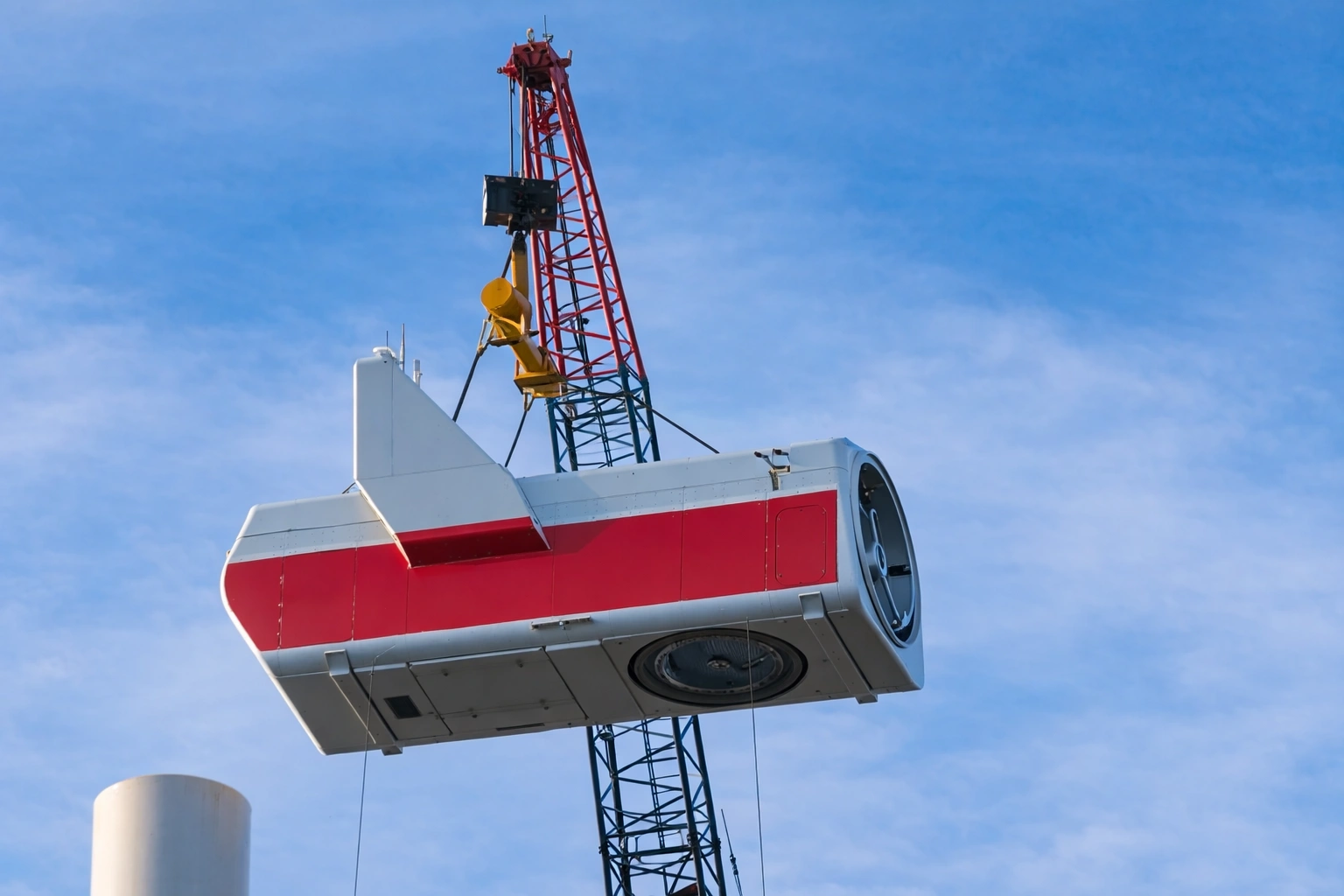
The drivetrain transmits mechanical energy from the rotor hub to the generator. Depending on turbine design, this may include:
In geared turbines, the gearbox increases rotational speed to match generator requirements. In direct-drive systems, larger generators eliminate the gearbox but increase structural load demands.
Mechanical integration requires:
Fabrication quality directly impacts drivetrain longevity. Structural deformation can misalign bearings and reduce system lifespan.
Inside the nacelle, the generator converts rotational mechanical energy into electrical power. Modern wind turbines typically use:
Electrical integration extends beyond generation. It includes:
These systems regulate voltage and frequency before transmitting power down the tower to grid-level transformation.
Electrical architecture must manage:
Unimacts supports this integration by manufacturing structural enclosures and precision housings for wind turbine electrical components, ensuring protection and thermal optimisation.
Electrical reliability within the nacelle depends heavily on enclosure engineering.
Typical enclosure systems include:
These must provide:
Improper enclosure design can result in overheating, moisture ingress, or electrical failure.
By integrating sheet metal fabrication with structural production, Unimacts delivers integration-ready enclosure systems that streamline OEM assembly processes.
Mechanical and electrical systems inside the nacelle generate significant heat. Effective thermal management protects drivetrain components and power electronics.
Cooling systems may include:
Thermal integration must balance airflow with environmental sealing, especially in offshore installations where salt exposure is a risk.
Structural fabrication must account for airflow routing, mounting provisions, and inspection access points.
While primary voltage transformation often occurs at the base of the tower or within substations, nacelle-level systems must interface seamlessly with downstream transformer infrastructure.
Voltage regulation and conversion systems prepare electrical output for:
Transformers play a strategic role within broader wind energy solutions, enabling efficient voltage elevation for transmission networks.
Unimacts supports transformer manufacturing adjacency through:
This adjacency strengthens continuity between turbine generation systems and grid infrastructure.
Modern nacelles integrate advanced monitoring systems for predictive maintenance and performance optimisation.
Control architecture includes:
Mechanical and electrical systems must be integrated with these digital layers to ensure performance transparency and grid compliance.
Mounting systems, enclosure precision, and structural stability directly impact sensor reliability and data accuracy.
Offshore nacelles face:
Integration requirements become more stringent. Corrosion-resistant coatings, marine-grade materials, and sealed enclosures are mandatory.
Unimacts supports offshore-ready fabrication through corrosion-protected heavy structural assemblies and integration-focused manufacturing aligned to European offshore standards.
The wind turbine nacelle represents one of the most complex integration environments in renewable energy infrastructure. Mechanical systems, drivetrain components, electrical architecture, and enclosure engineering must operate in synchronised precision.
As turbine capacities increase across Europe, OEMs require manufacturing partners capable of delivering structurally accurate, integration-ready components that support long-term reliability.
Unimacts contributes to advanced wind energy solutions by manufacturing critical wind turbine components, electrical enclosures, offshore structural systems, and transformer adjacency solutions aligned to European standards.
Where project scale requires enterprise-level backing for bankability, the broader group structure reinforces financial depth—while Unimacts remains focused on wind-specific engineering execution.
Strengthen your nacelle integration strategy with precision-engineered structural and electrical components from Unimacts. Partner with a wind-focused manufacturing specialist aligned to European OEM standards and scalable production programs.
1. What is the primary function of a wind turbine nacelle?
The nacelle houses the drivetrain, generator, power electronics, and control systems that convert wind energy into electricity.
2. How do mechanical and electrical systems integrate inside the nacelle?
Mechanical rotation drives the generator, while electrical systems regulate, convert, and transmit power to grid-level infrastructure.
3. Why is structural precision important in nacelle design?
Accurate fabrication ensures drivetrain alignment, reducing wear and extending operational lifespan.
4. Are offshore nacelles different from onshore designs?
Yes. Offshore nacelles require enhanced corrosion protection, sealing, and structural durability.
5. Does Unimacts manufacture nacelle components?
Yes. Unimacts produces structural frames, electrical enclosures, and integration-ready assemblies for wind turbine platforms.