
Anupreethi
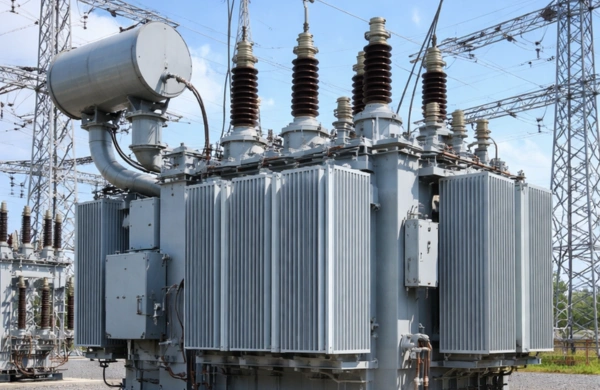
For utility-scale solar projects, commercial operation date (COD) is the single most critical milestone. Tax credits, power purchase agreements, financing terms, and revenue recognition are all tied directly to meeting this deadline. While solar modules, inverters, and trackers receive significant attention, one asset quietly dictates whether a project energizes on time—the substation transformer.
Substation transformers sit at the convergence of generation, protection systems, and utility interconnection. Any delay, non-compliance, or performance issue at this level can halt commissioning, regardless of how complete the rest of the plant may be. This is why solar EPCs and developers increasingly treat the selection of a substation transformer manufacturer as a schedule-risk decision rather than a standard procurement step.
Unimacts supports utility-scale solar EPCs as a manufacturing-first partner focused on protecting COD timelines through disciplined execution and utility-aligned transformer delivery.
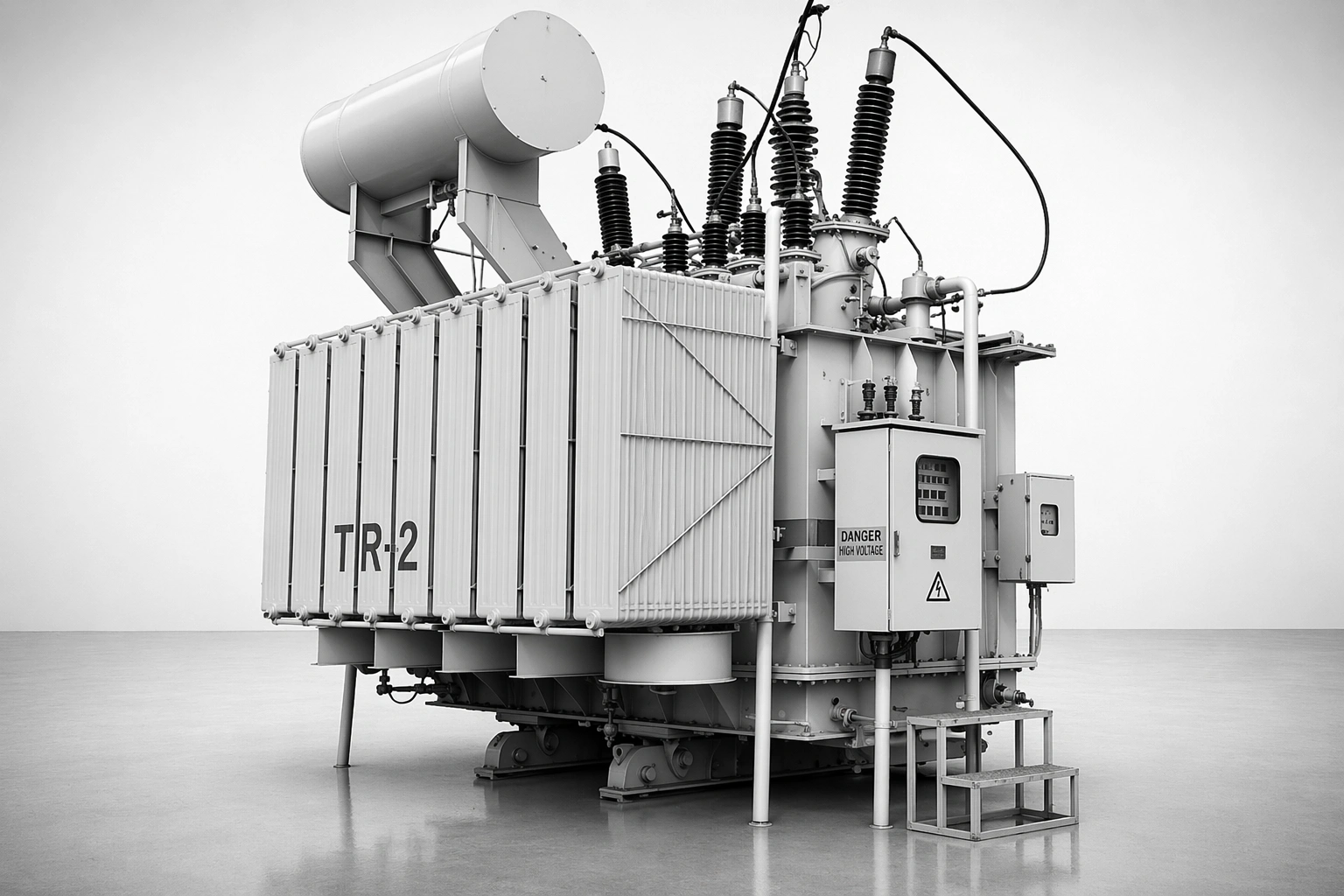
Unlike balance-of-system components, substation transformers are deeply intertwined with:
A delay in transformer delivery or approval often means:
This makes substation transformers one of the highest-risk items in the solar project schedule.
Utilities enforce strict technical requirements for substation transformers connected to their networks. Even minor deviations can trigger redesigns, retesting, or rejection.
Solar EPCs should prioritize substation transformer manufacturers that demonstrate:
Manufacturers that regularly support utility-facing projects significantly reduce approval cycle times and rework risk.
One of the biggest hidden risks in transformer procurement is lack of true manufacturing control. Some suppliers rely heavily on outsourced assembly, which introduces variability and schedule uncertainty.
Solar EPCs should assess whether transformer manufacturing companies have:
Substation transformer manufacturers with end-to-end control are far better positioned to protect COD timelines.
Transformer lead times remain one of the most volatile elements in solar project schedules. Quoted delivery dates mean little without execution discipline behind them.
Experienced power transformer manufacturers plan capacity around infrastructure programs, not one-off orders—offering greater schedule certainty.
Substation transformers must integrate seamlessly with protection and metering systems for utility acceptance.
Coordination with:
is essential for successful commissioning. Manufacturers that understand this ecosystem reduce late-stage integration issues that commonly delay COD.
Testing is often the final gate before energization. Incomplete or delayed test documentation can stall utility witnessing and commissioning.
Solar-ready substation transformer manufacturers provide:
This preparation minimizes last-minute surprises that jeopardize COD.
Many solar EPCs manage portfolios rather than single projects. Transformer partners must scale without introducing inconsistency.
Key scalability indicators include:
Manufacturers that scale reliably help EPCs standardize procurement and reduce engineering rework across projects.
Unimacts partners with solar EPCs and developers as a manufacturing-first substation transformer supplier focused on schedule protection.
This execution-driven approach helps EPCs reduce transformer-related risk and keep solar projects on track for timely COD.
For utility-scale solar projects, COD protection depends on more than installation progress—it hinges on the readiness of substation infrastructure. Selecting the right substation transformer manufacturer can mean the difference between on-time energization and costly schedule slippage.
Solar EPCs and developers planning utility-scale interconnections can partner with Unimacts to source substation transformers engineered for utility compliance, predictable delivery, and COD-protecting execution.
1. Why are substation transformers critical to solar COD timelines?
Because energization, protection testing, and utility approval cannot proceed without them.
2. What is the biggest transformer-related risk in solar projects?
Delayed delivery or non-compliance triggering rework and rescheduled commissioning.
3. How do utilities influence substation transformer selection?
Through strict technical specifications and approval requirements.
4. Can one manufacturer support multiple solar substations?
Yes, if they have scalable capacity and standardized designs.
5. When should EPCs engage a substation transformer manufacturer?
As early as possible—ideally during substation design finalization.