
Anupreethi
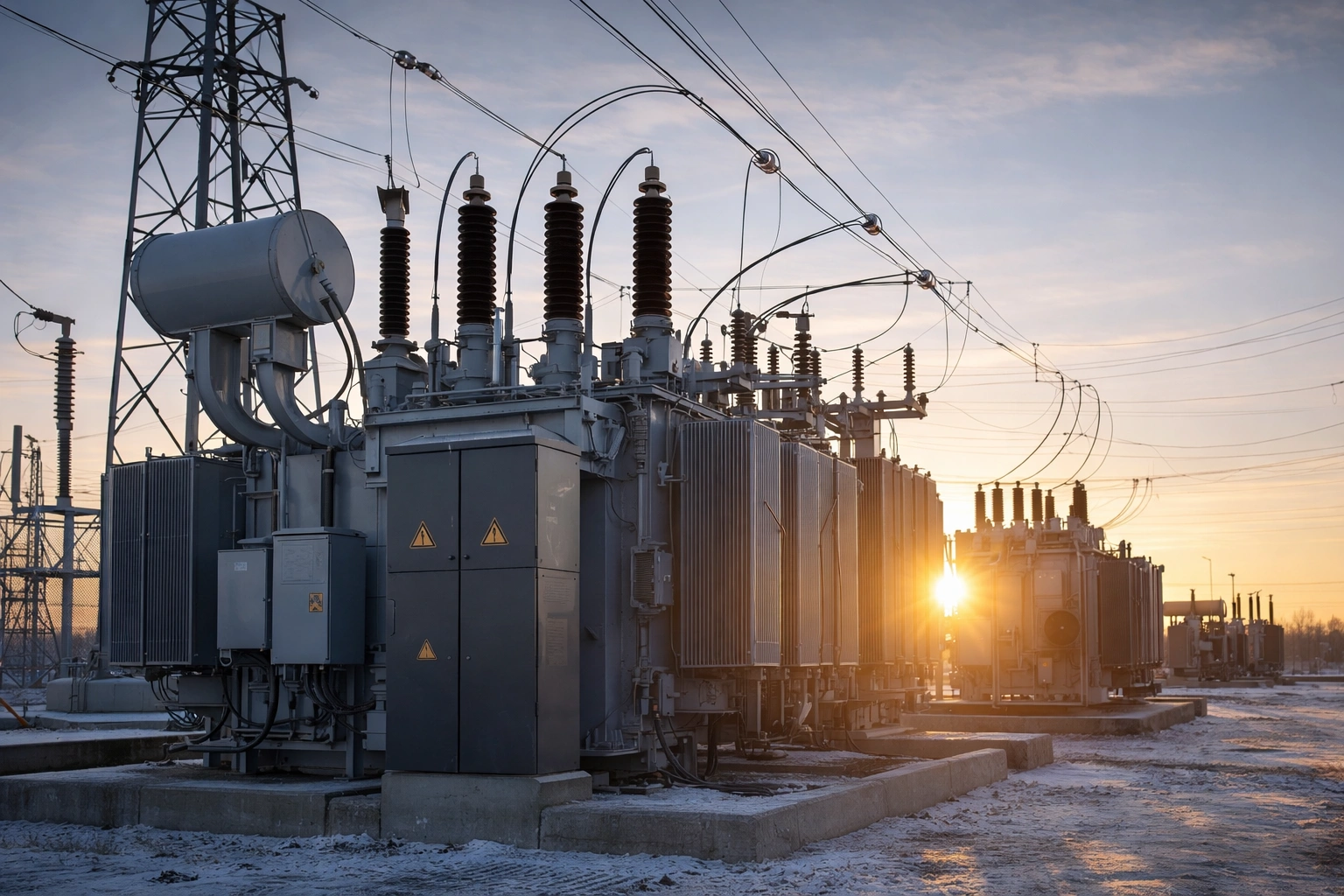
Voltage transformers play a critical role in how utilities monitor, protect, and control electrical power systems. While power and distribution transformers manage energy transfer, voltage transformers provide precise voltage signals that enable protection relays, metering systems, and control equipment to function correctly.
For utilities and EPCs, selecting the right voltage transformer manufacturer is as important as understanding how the equipment operates. Accuracy, insulation integrity, and long-term stability depend heavily on manufacturing quality, testing discipline, and design validation—especially in transmission and substation environments.
Unimacts supports utility and substation networks as a voltage transformer manufacturer focused on accuracy, reliability, and long-term performance.
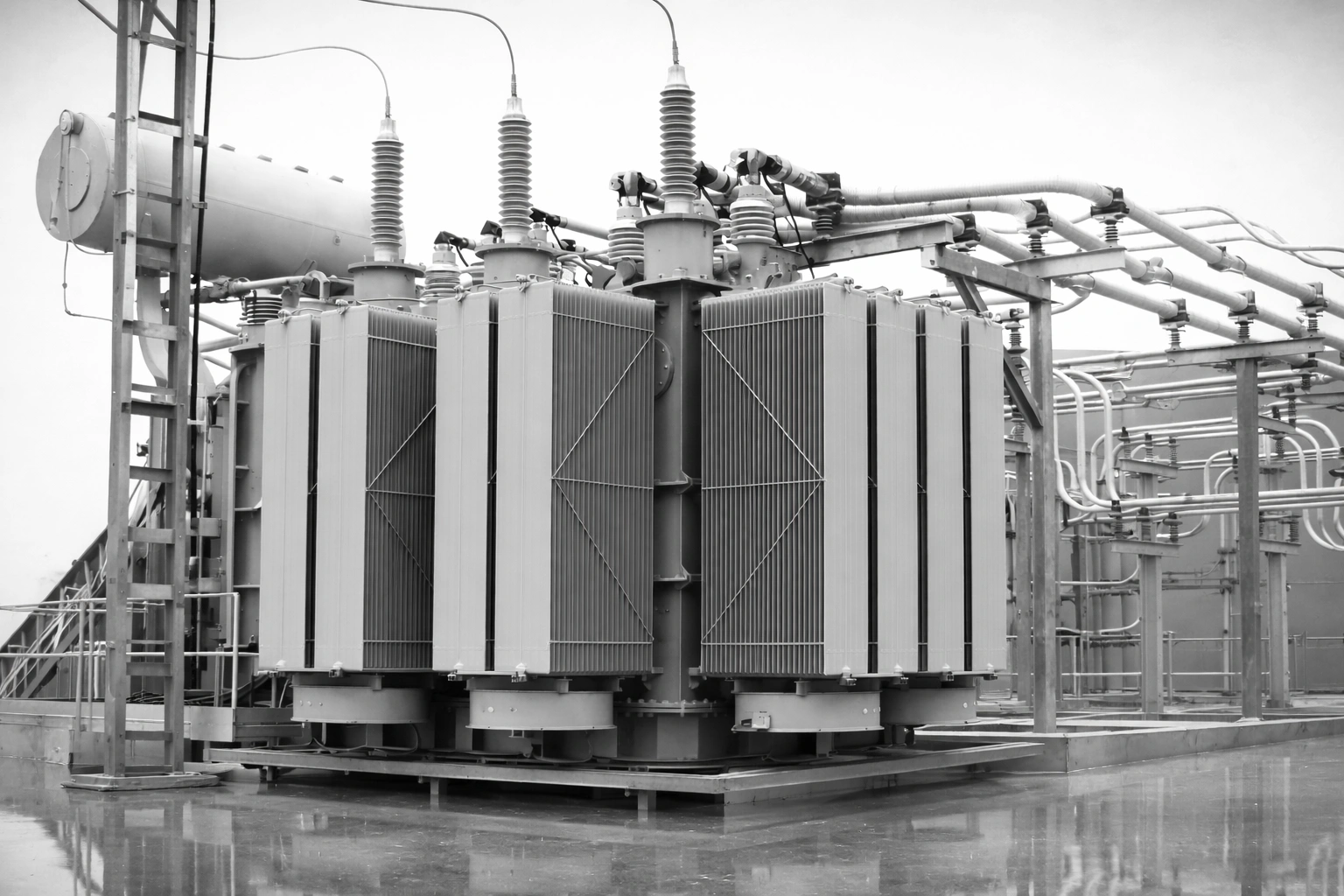
A voltage transformer (VT), also known as a potential transformer, is an instrument transformer designed to step down high system voltages to standardized, low-voltage levels suitable for measurement and protection devices.
Unlike power transformers, voltage transformers are not designed to transfer energy. Instead, they act as reference devices, providing scaled voltage signals that protection and metering systems rely on.
Experienced voltage transformer manufacturers design these units to maintain accuracy across defined operating ranges and system conditions.
Utilities deploy voltage transformers at critical locations where voltage data is required for safe and reliable operation.
In each case, utilities depend on voltage transformer manufacturers to deliver consistent ratio accuracy and electrical isolation over long service lives.
Voltage transformers operate on electromagnetic induction. The primary winding is connected to the high-voltage system, while the secondary winding produces a proportional, reduced voltage.
Reputable voltage transformer manufacturers design winding geometry and insulation systems to ensure this accuracy is maintained under normal and abnormal operating conditions.
Accuracy is the defining performance requirement for voltage transformers. Utilities specify accuracy classes depending on whether the application is metering or protection.
Voltage transformer manufacturers must validate these characteristics through routine and type testing to ensure compliance with utility and industry standards.
Substation protection schemes depend on voltage transformers to detect abnormal system behavior and initiate protective action.
Utilities evaluate voltage transformer manufacturers based on how reliably their products perform during transient events and fault conditions—not just under steady-state operation.
Because voltage transformers act as reference devices, manufacturing precision is critical. Small deviations in core material, winding placement, or insulation can affect system protection.
A disciplined voltage transformer manufacturer treats accuracy and repeatability as core manufacturing outcomes, not post-production checks.
As utilities adopt digital substations and automated protection systems, voltage transformers remain a foundational measurement input.
Modern voltage transformer manufacturers increasingly support:
Manufacturing consistency ensures voltage transformers continue to support reliable grid operation as system complexity increases.
Unimacts operates as a manufacturing-first voltage transformer partner for utilities and EPCs.
This approach positions Unimacts among dependable voltage transformer manufacturers supporting modern power networks.
Voltage transformers are essential to the safe operation of utility and substation networks, enabling accurate measurement, protection, and control across the grid. Their performance depends not only on design principles but also on manufacturing precision and quality discipline.
Utilities and EPCs upgrading substations or protection systems can partner with Unimacts as a voltage transformer manufacturer delivering accuracy, reliability, and consistent performance for modern power networks.
1. What does a voltage transformer manufacturer provide?
Voltage transformers designed for accurate measurement, protection, and electrical isolation.
2. How do utilities evaluate voltage transformer manufacturers?
Based on accuracy, insulation performance, testing discipline, and long-term reliability.
3. Where are voltage transformers installed?
In substations, switchgear, and protection panels across transmission and distribution systems.
4. Why is manufacturing quality critical for voltage transformers?
Because protection and control systems depend on precise and stable voltage signals.
5. Are voltage transformers different from power transformers?
Yes. Voltage transformers prioritize accuracy and measurement, not power transfer.