
Anupreethi
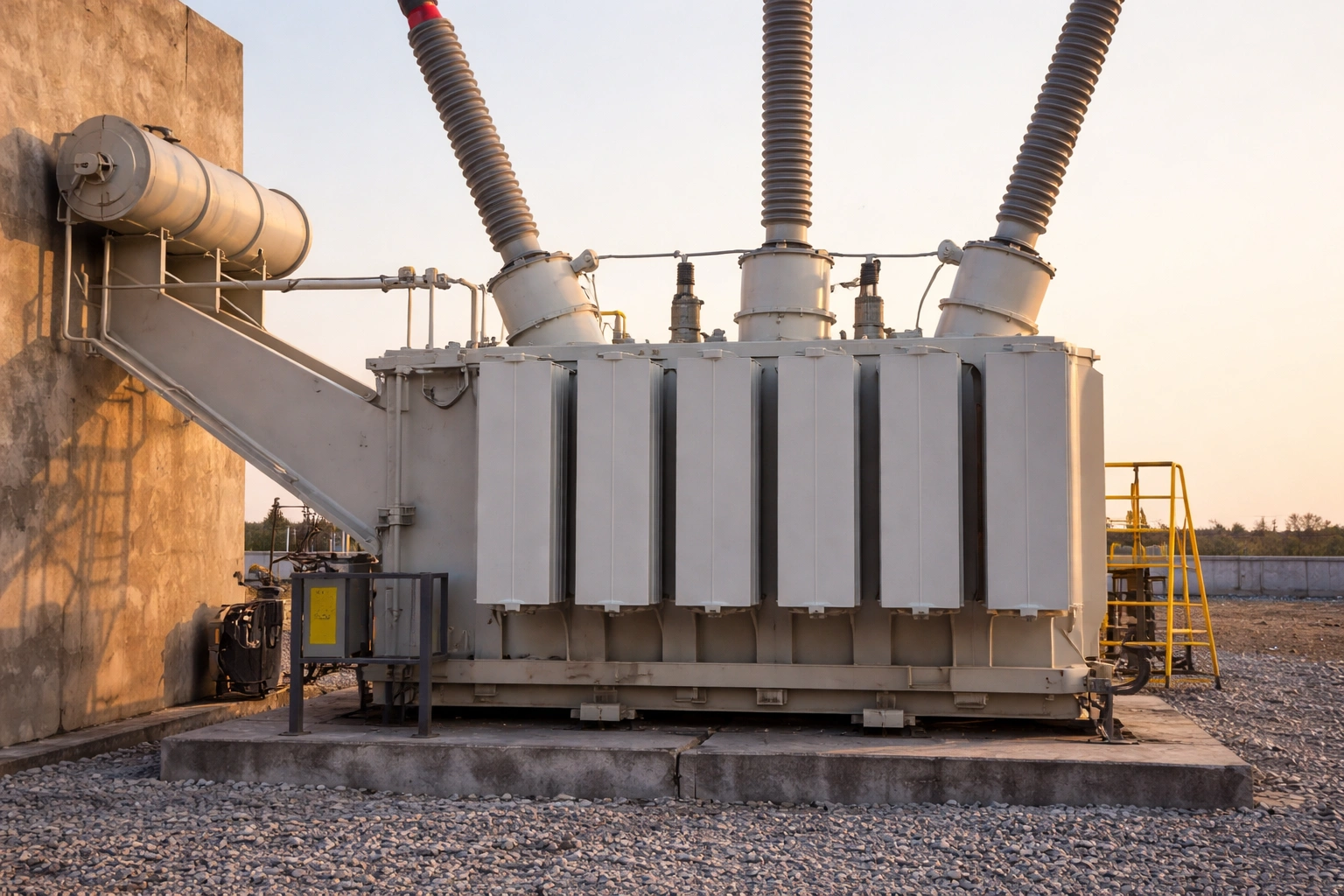
Power transformers are among the most critical assets in modern electrical grids. They enable electricity generated at power plants and renewable facilities to be transmitted efficiently over long distances and delivered reliably to substations and load centers. As grids evolve to accommodate higher demand, renewable integration, and electrification, the role of power transformers has expanded beyond simple voltage conversion.
Today, utilities, EPCs, and developers evaluate power transformer manufacturers not only on technical specifications but also on manufacturing discipline, delivery reliability, and long-term performance. Understanding the different types of power transformers and where they are used is essential for designing resilient, efficient, and future-ready power systems.
Unimacts supports modern grid infrastructure as a transformer manufacturing partner focused on utility-grade execution, scalable production, and long-term reliability.
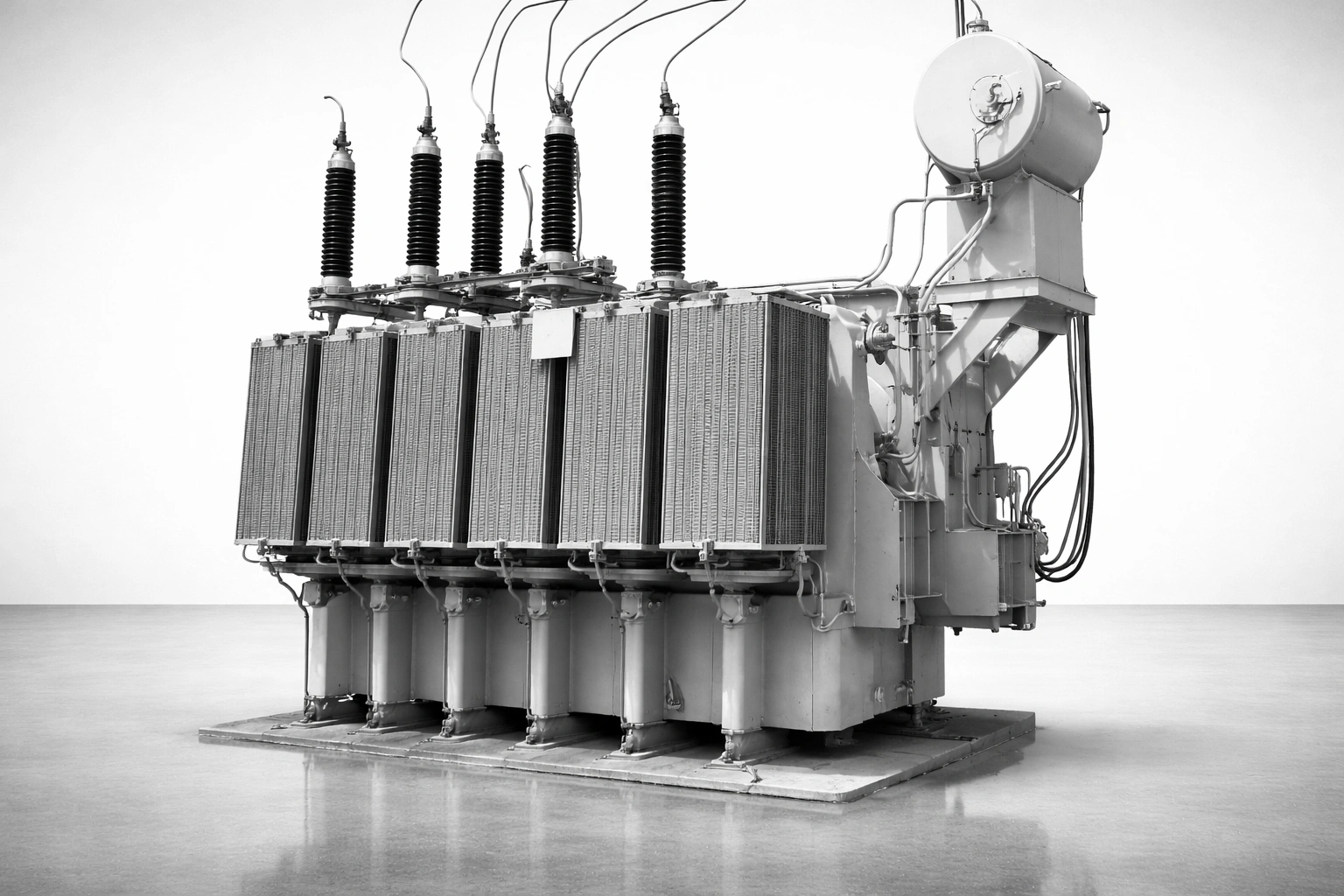
A power transformer is a high-capacity transformer designed to transfer electrical energy between circuits at different voltage levels, typically within transmission networks and substations. Unlike distribution transformers, power transformers operate at higher voltages and are engineered for continuous operation under heavy electrical and thermal loads.
Power transformers are commonly used to:
Because of their scale and criticality, power transformers are treated as long-life infrastructure assets rather than replaceable components.
Modern grids are more complex than ever, with bidirectional power flows, renewable energy sources, and higher reliability expectations. Power transformers sit at the center of this complexity.
Failures or delays involving power transformers can impact large geographic areas, making reliability and manufacturing quality essential considerations.
Different grid requirements call for different power transformer designs. Utilities and EPCs select transformer types based on voltage level, capacity, installation environment, and operational needs.
Step-up power transformers are installed at power plants and renewable generation facilities to increase voltage for efficient transmission. These are critical for utility-scale solar and wind projects, where power must travel long distances to reach load centers.
Step-down power transformers reduce voltage at transmission substations, preparing electricity for further distribution. They play a vital role in protecting downstream equipment and maintaining voltage stability.
High-voltage and extra-high-voltage (EHV) power transformers support bulk power transfer across transmission corridors. They are used in large substations and interconnection points where reliability margins must be extremely high.
Auto transformers are used where voltage ratios are relatively close. By sharing windings, they reduce losses and material requirements, making them attractive for certain transmission and grid optimization applications.
Utilities often evaluate these options in collaboration with experienced power transformer manufacturers and substation transformer manufacturers to ensure technical and regulatory alignment.
Renewable energy has reshaped how power transformers are deployed and specified. Solar and wind projects introduce variable generation profiles, load cycling, and grid interconnection challenges.
Modern power transformers supporting renewables must:
Solar EPCs frequently coordinate power transformer selection with transformer manufacturing companies that understand utility interconnection requirements and COD-driven schedules.
Because power transformers are expected to operate for 30–40 years or more, manufacturing quality directly affects grid reliability and lifecycle cost.
Leading power transformer manufacturers treat manufacturing discipline as a reliability function, not just a production activity.
Testing is a critical gate before power transformers enter service. Utilities require extensive validation to ensure transformers will perform as designed under real-world conditions.
Typical testing includes:
Manufacturers experienced with U.S. utility projects help streamline approval and commissioning processes.
Power transformers often sit on the critical path of transmission and substation projects. Extended lead times or execution issues can delay energization and system upgrades.
Utilities and EPCs increasingly favor manufacturers that:
Execution reliability is now a decisive differentiator among transformer manufacturing companies.
Unimacts delivers power transformer solutions through a manufacturing-first approach aligned with modern grid requirements.
This approach enables utilities and EPCs to deploy power transformers with confidence in long-term performance and delivery predictability.
Power transformers are foundational to modern grids, enabling efficient transmission, voltage stability, and renewable integration. As power systems become more complex, selecting the right transformer type—and the right manufacturer—has become a strategic decision for utilities and EPCs.
Utilities, solar EPCs, and developers planning grid upgrades or interconnection projects can partner with Unimacts to source power transformers engineered for modern grid demands, long-term reliability, and execution certainty.
1. What is the primary role of a power transformer?
To transfer electrical energy between voltage levels within transmission and substation networks.
2. How are power transformers different from distribution transformers?
Power transformers operate at higher voltages and capacities and serve transmission systems.
3. Why are power transformers critical for renewable energy projects?
They enable efficient voltage step-up and grid interconnection for large-scale generation.
4. How long do power transformers typically last?
With proper design and maintenance, they often operate for several decades.
5. What should utilities look for in power transformer manufacturers?
Manufacturing discipline, testing rigor, utility compliance, and delivery reliability.