
Anupreethi
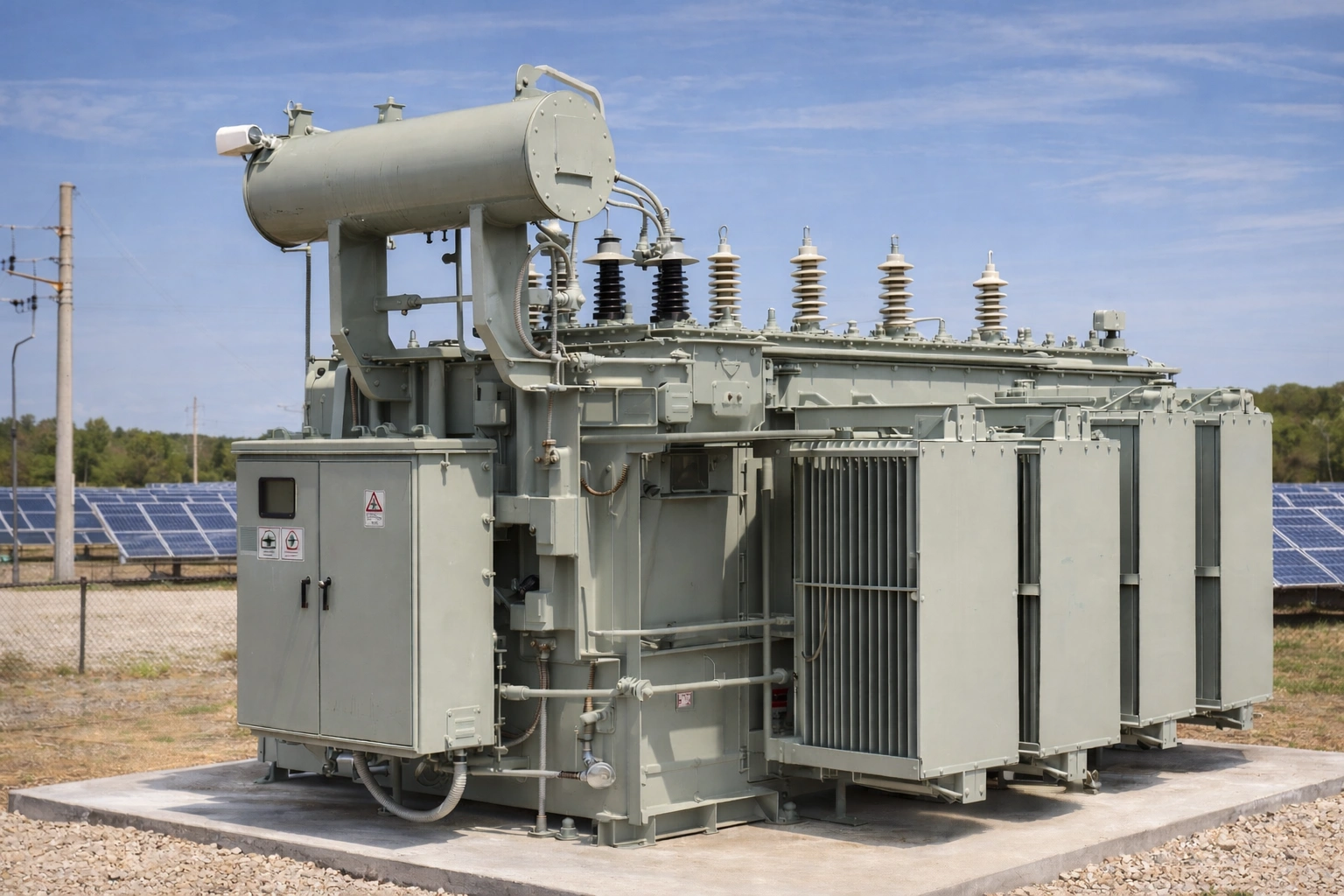
For utility-scale solar projects, transformers are not just electrical equipment—they are schedule-critical, approval-sensitive infrastructure assets. From step-up transformers to substation equipment, transformer performance and delivery timelines directly influence grid interconnection, commissioning, and commercial operation dates (COD).
As a result, solar EPCs and developers are increasingly selective when evaluating transformer manufacturing companies. The right partner can reduce interconnection risk, support utility approvals, and protect project schedules. The wrong choice can introduce delays, rework, and cost overruns that ripple across the entire project.
Unimacts supports utility-scale solar EPCs as a transformer manufacturing partner focused on execution certainty, utility alignment, and project-ready delivery.
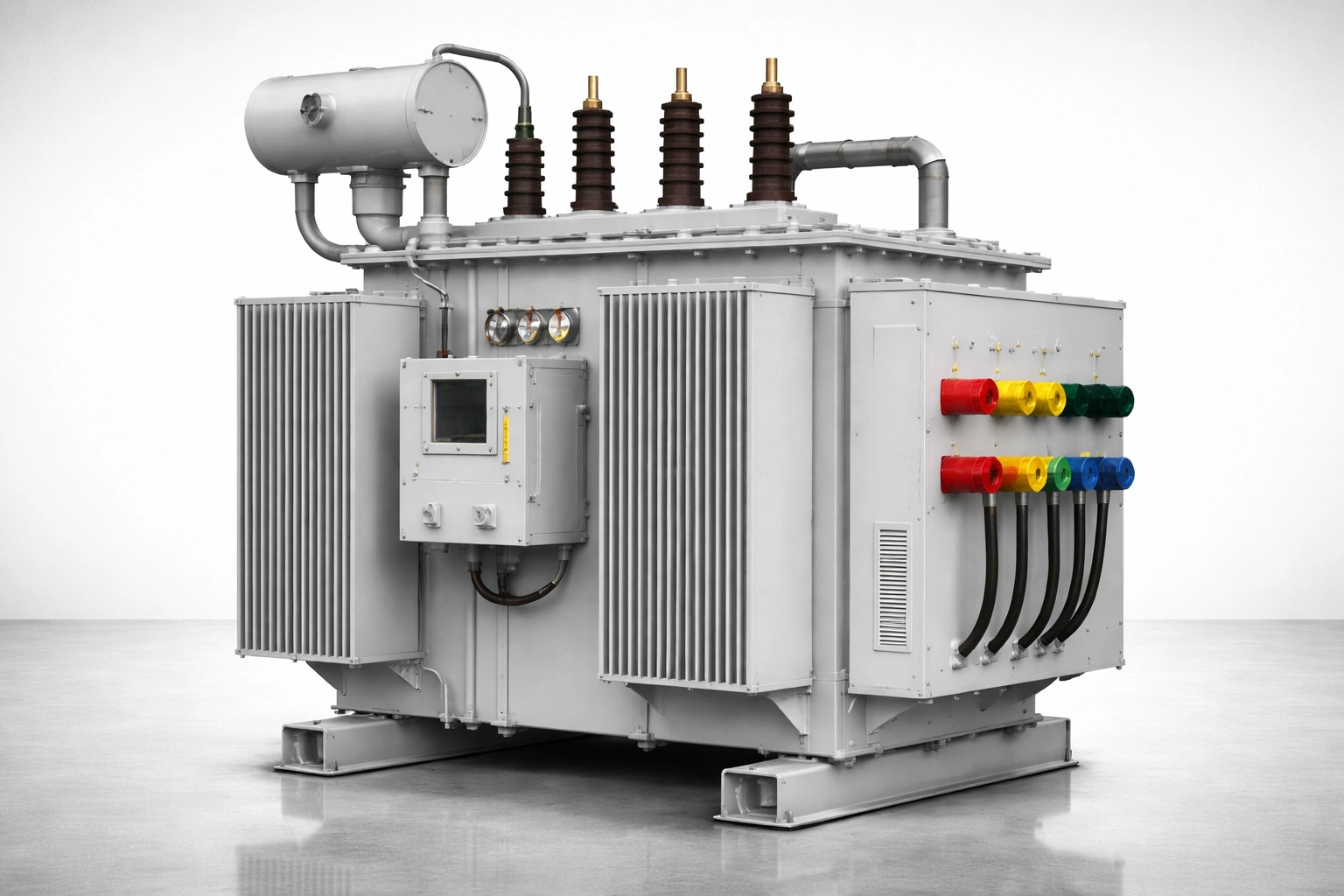
Unlike balance-of-system components, transformers sit at the intersection of:
Delays or performance issues at this level can stall entire solar projects—even when generation assets are fully installed. This is why EPCs treat transformer procurement as a risk-management decision, not a commodity purchase.
Many suppliers present broad product catalogs, but solar EPCs should prioritize manufacturing depth over product lists when evaluating transformer manufacturing companies.
Manufacturers with true end-to-end control reduce variability—critical for projects with tight commissioning windows.
Solar projects live or die by utility acceptance. Even minor non-conformances can trigger redesigns or approval delays.
EPCs should ensure transformer manufacturers demonstrate:
Transformer manufacturing companies that regularly support utility-facing projects streamline approval cycles and reduce back-and-forth during review stages.
Transformer lead times remain one of the largest schedule risks for utility-scale solar projects. EPCs must look beyond quoted dates and assess execution credibility.
Manufacturers that plan capacity around infrastructure programs—not spot orders—offer greater schedule predictability.
Solar substations are designed for decades of operation with minimal intervention. Transformer failures or performance degradation can create long-term operational liabilities.
EPCs should evaluate:
Strong quality discipline reduces post-commissioning risk and protects EPC reputation with developers and asset owners.
Many EPCs support multi-project solar portfolios rather than single builds. Transformer manufacturing companies must scale without compromising consistency.
Key indicators of scalability include:
This capability enables EPCs to standardize procurement and reduce engineering rework across projects.
Unimacts partners with solar EPCs and developers as a manufacturing-first transformer supplier focused on project execution.
This approach helps EPCs reduce schedule risk and streamline transformer procurement across solar programs.
For solar EPCs, transformer procurement is a high-impact decision that directly affects interconnection, commissioning, and COD timelines. Evaluating transformer manufacturing companies based on execution discipline, utility alignment, and delivery reliability is essential to protecting project outcomes.
Solar EPCs and developers planning utility-scale projects can partner with Unimacts to source project-ready transformers engineered for utility compliance, schedule certainty, and long-term operational reliability.
1. Why are transformer manufacturing companies critical for solar EPCs?
Because transformer delivery and approval directly affect grid interconnection and COD timelines.
2. What transformer types are most critical in solar projects?
Power transformers, substation transformers, and protection-related instrument transformers.
3. How do utilities influence transformer selection for solar projects?
Utilities enforce technical specifications and approval requirements that manufacturers must meet.
4. What is the biggest transformer-related risk for solar EPCs?
Extended lead times or non-compliance causing commissioning delays.
5. Can one manufacturer support multiple solar projects?
Yes—if they have scalable capacity and standardized manufacturing processes.