
Anupreethi
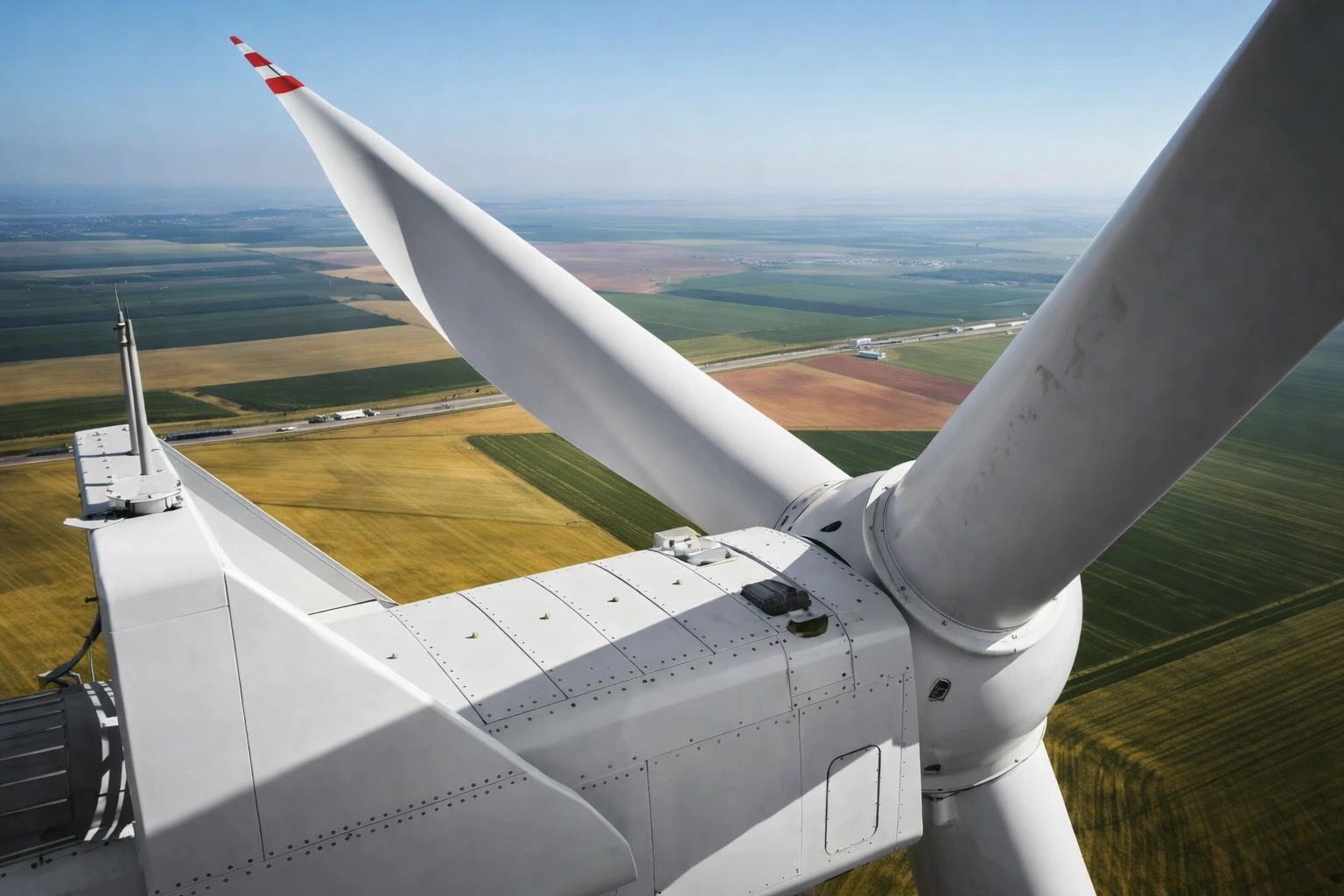
Modern wind turbines integrate complex electrical architectures that extend from the nacelle to the tower base and onward to grid interface systems. Within this architecture, the cable wire management system plays a critical role in ensuring safe power transmission, signal integrity, and long-term operational reliability.
Unlike static industrial environments, wind turbines operate under continuous vibration, rotational movement, and environmental exposure. Cable routing, enclosure integration, and internal electrical system design must therefore be engineered with precision to prevent wear, electrical faults, and maintenance challenges.
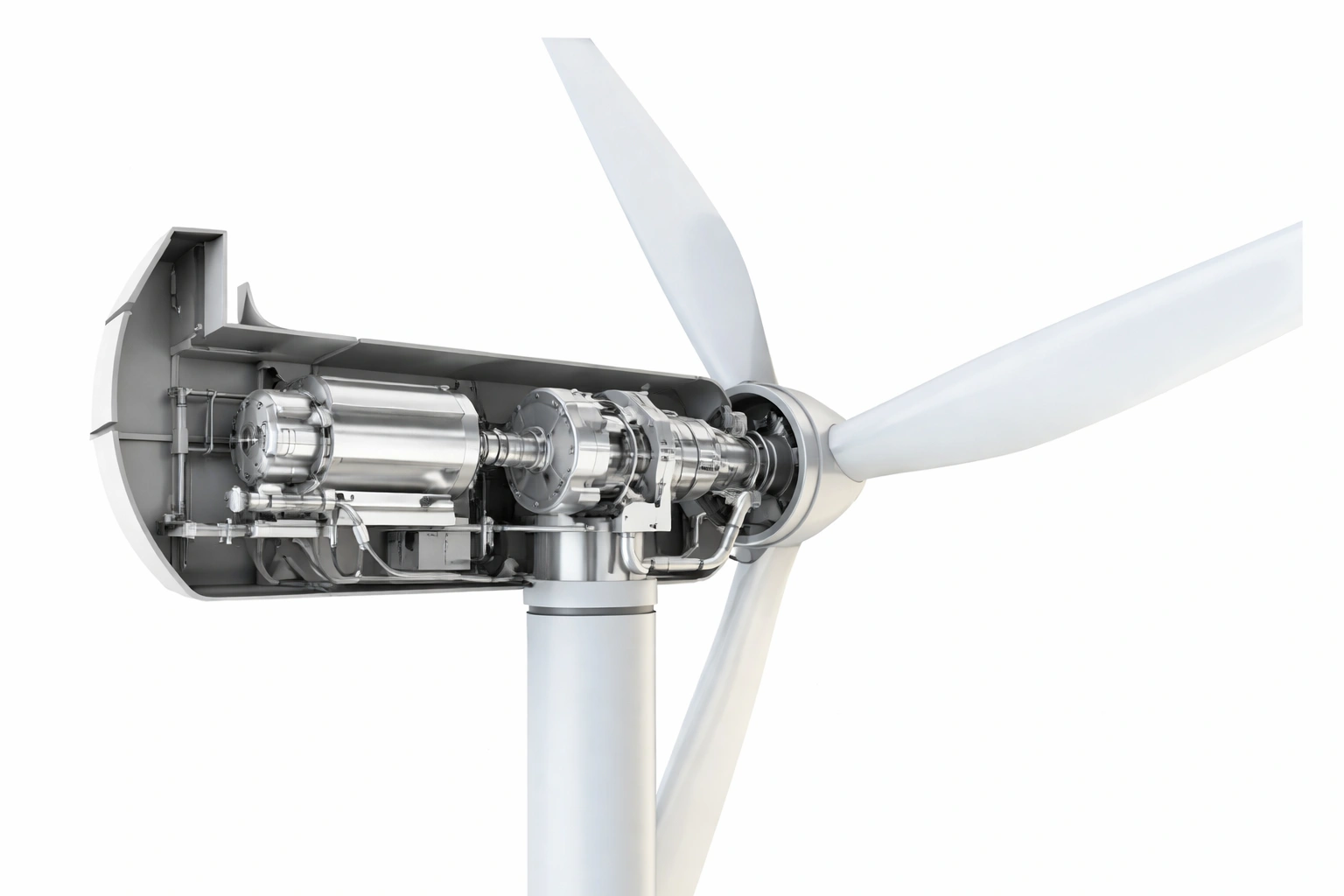
The cable wire management system ensures organised routing and protection of:
These systems extend across:
A well-designed cable wire management system reduces mechanical stress, prevents abrasion, and ensures compliance with electrical safety standards.
Wind turbines present unique routing challenges due to rotational and vertical movement.
Key design considerations include:
Tower cable loops must absorb torsional movement without introducing strain on conductors. Improper routing can lead to insulation damage and signal interference.
Precision-fabricated cable trays and support structures ensure consistent alignment and reduce long-term wear.
Unimacts manufactures structural cable support systems and routing assemblies designed to maintain dimensional stability and integration accuracy within turbine towers.
Electrical enclosures house critical turbine systems such as:
These enclosures must protect components from:
In offshore turbines, salt exposure adds an additional layer of complexity.
Engineering requirements include:
Unimacts produces precision sheet metal enclosures and structural cabinets that support electrical system protection while maintaining airflow and accessibility.
Wind turbine electrical systems must operate as a coordinated network across multiple subsystems.
Key elements include:
The cable wire management system ensures these subsystems are interconnected without interference or risk of electrical faults.
Integration challenges include:
Fabrication precision in mounting systems and enclosure interfaces plays a key role in enabling organised system integration.
Electrical cables and enclosures generate heat during operation. Poor thermal management can accelerate insulation degradation and reduce system efficiency.
Design strategies include:
Cable bundling must be carefully managed to avoid heat concentration.
Enclosure design and cable routing must work together to maintain safe operating temperatures.
Wind turbines operate under continuous dynamic loading, introducing vibration into both structural and electrical systems.
Cable management systems must account for:
Engineering solutions include:
Unimacts supports these requirements through precision-fabricated support structures and mounting systems designed to maintain stability under dynamic conditions.
Offshore wind turbines introduce additional risks:
Cable wire management systems in offshore environments must incorporate:
Electrical enclosure systems must maintain sealing integrity while accommodating cable routing complexity.
European wind turbine electrical systems must align with:
Cable management systems must ensure:
Manufacturing accuracy in cable trays, supports, and enclosures is essential to meeting these standards.
Cable management, enclosure systems, and internal electrical integration form the backbone of wind turbine electrical performance. A well-engineered cable wire management system ensures organised routing, reduces mechanical stress, and protects critical electrical components from environmental and operational risks.
As turbine complexity increases, the integration of structural fabrication, enclosure precision, and cable routing design becomes more critical.
Through precision structural fabrication, cable support system manufacturing, and electrical enclosure production, Unimacts contributes to wind turbine systems that prioritise reliability, maintainability, and compliance with European standards.
In both onshore and offshore environments, disciplined cable management and enclosure integration remain essential to long-term turbine performance and operational safety.
1. What is a cable wire management system in wind turbines?
It is a structured system for routing, protecting, and organising power, control, and communication cables.
2. Why is cable management critical in wind turbines?
It prevents cable damage, ensures electrical safety, and supports system reliability under dynamic conditions.
3. How are cables protected inside turbines?
Through cable trays, conduits, protective enclosures, and vibration-resistant mounting systems.
4. What challenges affect offshore cable systems?
Corrosion, moisture ingress, and limited maintenance access.
5. Does Unimacts support cable management systems?
Yes. Unimacts manufactures structural supports, cable routing systems, and electrical enclosures for wind turbine applications.