
Anupreethi
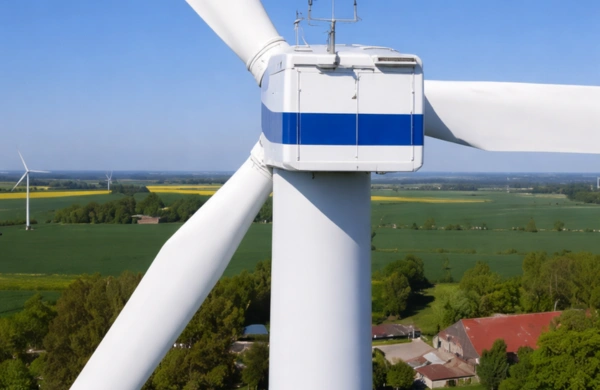
Onshore wind continues to play a critical role in Europe’s renewable energy mix, driven by repowering initiatives, grid expansion, and cost-effective deployment models. While offshore wind attracts scale-driven investments, onshore projects demand speed, cost efficiency, and logistical simplicity.
Delivering high-performing onshore wind turbine components requires a coordinated approach across design engineering, manufacturing execution, and installation readiness. Unlike offshore systems, onshore turbines operate under tighter cost constraints and more flexible installation environments—yet still demand structural precision and electrical reliability.
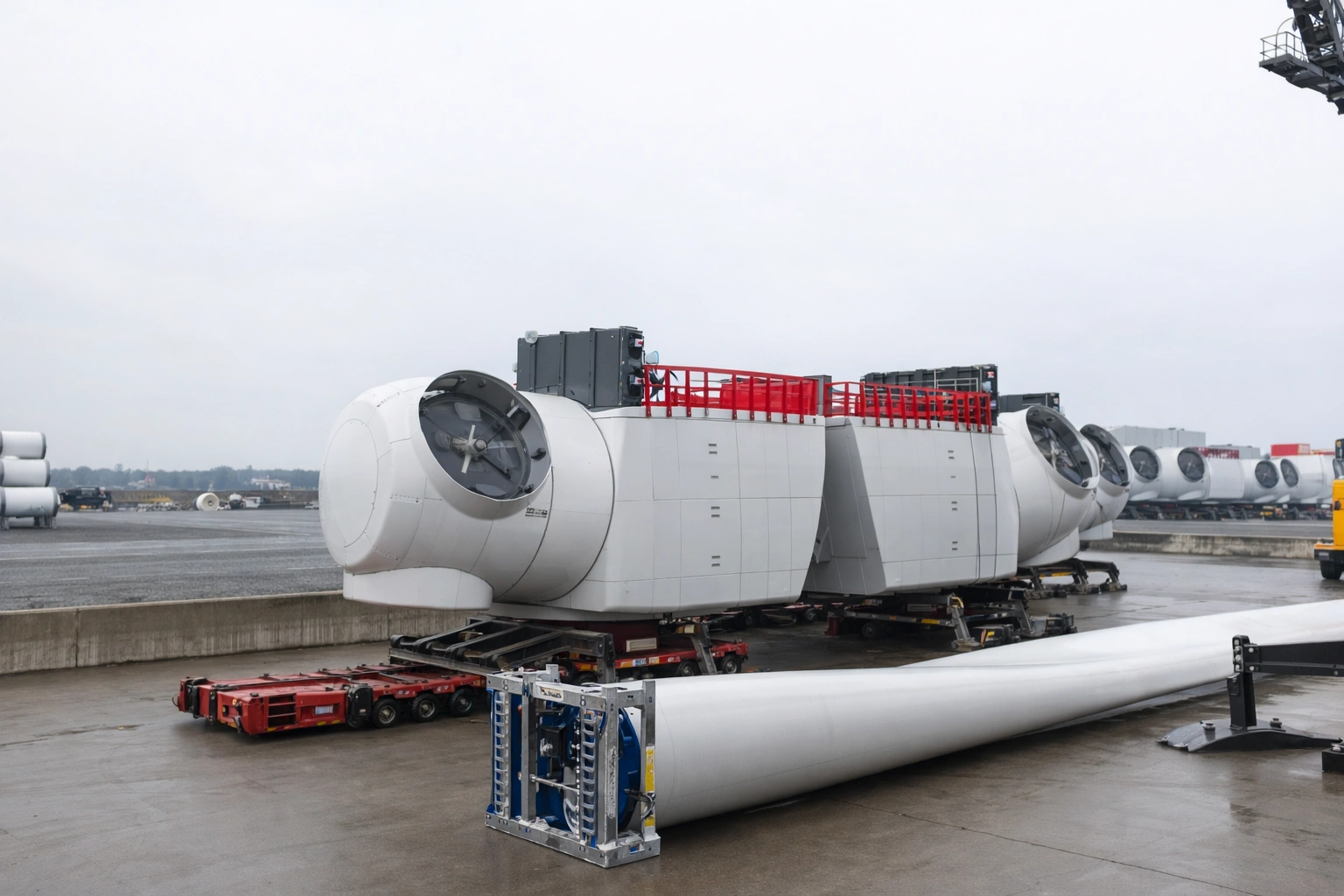
Onshore turbine design prioritises efficiency, transportability, and ease of installation.
Key component categories include:
Design optimisation focuses on:
Compared to offshore systems, onshore components often allow more flexibility in design tolerances and installation approaches, but still require strict adherence to EN and IEC standards.
Unimacts supports design-aligned manufacturing through precision fabrication processes that maintain dimensional accuracy across serial production.
Material strategy is central to balancing cost and performance in onshore wind systems.
Considerations include:
Unlike offshore turbines, corrosion exposure is less aggressive, allowing simplified coating systems. However, structural durability remains critical for 20+ year operational lifecycles.
Trade-offs:
Unimacts integrates material optimisation with fabrication planning to maintain structural performance while supporting cost efficiency.
Onshore wind turbine components require consistent manufacturing quality to ensure drivetrain alignment and system stability.
Core fabrication processes include:
Manufacturing priorities:
Unimacts manufactures structural wind turbine components and electrical enclosures using controlled welding environments and inspection-driven processes aligned to European standards.
Electrical infrastructure in onshore turbines includes:
These wind turbine electrical components must be integrated within nacelle and tower environments while ensuring:
Onshore installations typically allow more accessible maintenance compared to offshore systems, influencing enclosure design and layout flexibility.
Unimacts supports electrical integration through precision-fabricated enclosure systems and structural supports designed for consistent alignment and protection.
Onshore wind projects are heavily influenced by transport constraints such as:
Component design must align with transport feasibility.
Engineering strategies include:
Manufacturing partners must coordinate with logistics planning early in the production cycle to avoid redesign or delays.
Unimacts supports program-based fabrication planning aligned with transport requirements, ensuring dimensional compliance and installation efficiency.
Installation readiness is a critical success factor in onshore wind deployment timelines.
Components must be delivered with:
Installation efficiency depends on:
Precision fabrication reduces installation time and minimises commissioning delays.
European onshore wind projects require adherence to:
Quality governance ensures that components perform reliably across varying terrain and climatic conditions.
Unimacts operates with structured quality systems and inspection frameworks designed to support audit-ready manufacturing and consistent production output.
Onshore turbines must be designed for long-term operational efficiency with accessible maintenance.
Key considerations:
Compared to offshore systems, onshore turbines benefit from easier access, allowing maintenance strategies to influence design decisions more directly.
Manufacturing precision and material selection directly impact long-term performance and service intervals.
Onshore wind turbine components require a balanced approach between cost efficiency, structural performance, and installation readiness. Design optimisation, precision manufacturing, and logistics alignment collectively determine project success.
Unlike offshore systems, onshore wind emphasises scalability, transport feasibility, and rapid deployment—while maintaining strict compliance with European standards.
Through structural fabrication, electrical enclosure manufacturing, and integration-ready component production, Unimacts supports onshore wind programs with engineering-focused manufacturing aligned to installation efficiency and lifecycle reliability.
As Europe continues expanding its onshore wind capacity, disciplined design-to-installation execution will remain essential to achieving cost-effective and scalable renewable energy deployment.
1. What are onshore wind turbine components?
They include nacelle structures, hubs, generators, towers, electrical systems, and control enclosures.
2. How do onshore components differ from offshore components?
Onshore components prioritise cost efficiency, transportability, and easier maintenance access.
3. Why is installation readiness important?
It reduces project delays, minimises field modifications, and improves commissioning efficiency.
4. How does transport impact component design?
Components must comply with road and infrastructure limitations, influencing size and weight.
5. Does Unimacts manufacture onshore wind components?
Yes. Unimacts provides structural fabrication, electrical enclosures, and integration-ready assemblies for onshore wind systems.