
Anupreethi
Utility-scale wind projects across Europe require highly coordinated electrical systems to convert, regulate, and transmit power efficiently. At the core of this infrastructure are wind turbine electrical components, transformer systems, and cable networks that connect generation to grid transmission.
As turbine capacities increase and grid compliance requirements tighten, electrical system design must prioritise reliability, integration precision, and scalability. These systems operate across nacelles, towers, substations, and grid interface points—making electrical coordination a critical factor in overall project performance.
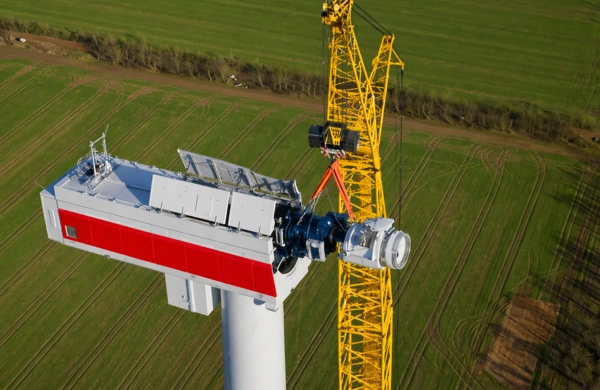
Wind turbine electrical components form the backbone of power generation and control systems.
Key components include:
These components must function under:
Electrical system reliability directly influences turbine uptime and energy output.
Transformers play a critical role in utility-scale wind projects by enabling efficient power transmission.
Functions include:
Typical configurations:
Engineering considerations:
Unimacts supports transformer-related manufacturing through structural tank fabrication, heavy steel enclosures, and integration-ready support systems aligned to grid infrastructure requirements.
Cable systems connect turbine electrical output to substations and grid infrastructure.
Key elements include:
Cable systems must be designed for:
A structured cable system ensures reliable power transmission and effective communication between turbine subsystems.
In large wind farms, cable routing extends across multiple turbines and substations.
Key considerations include:
Tower cable systems must accommodate vertical routing and dynamic movement, while offshore systems require additional protection against moisture and corrosion.
Unimacts manufactures structural cable support systems and routing frameworks designed for integration within turbine towers and substation infrastructure.
Electrical components must be protected within engineered enclosures.
Applications include:
Enclosure requirements:
Precision sheet metal fabrication ensures proper alignment, airflow, and environmental protection.
Unimacts produces electrical enclosure systems that support integration-ready installation and long-term durability.
Electrical systems vary based on project location.
Onshore systems:
Offshore systems:
These differences influence component selection, enclosure design, and cable system engineering.
Utility-scale wind farms rely on seamless integration between turbine electrical systems and substations.
Integration includes:
Prefabricated electrical infrastructure is increasingly used to improve installation efficiency and reduce on-site complexity.
Electrical systems must be manufactured and assembled with precision to ensure:
Coordination between structural fabrication and electrical integration is essential to avoid misalignment and reduce commissioning delays.
Unimacts supports this integration through fabrication of structural frames, electrical enclosures, and cable support systems aligned with utility-scale wind project requirements.
Wind turbine electrical components, transformers, and cable systems form an interconnected network that enables efficient energy generation and grid integration in utility-scale wind projects.
System performance depends on precise integration, robust enclosure design, and well-structured cable routing. As European wind projects scale in size and complexity, electrical infrastructure must evolve to support higher capacity and stricter grid compliance.
Through structural fabrication, electrical enclosure manufacturing, and cable system support, Unimacts contributes to wind energy systems that prioritise reliability, integration readiness, and long-term operational performance.
1. What are wind turbine electrical components?
They include generators, converters, control systems, switchgear, and auxiliary electrical systems.
2. Why are transformers important in wind projects?
They step up voltage for efficient transmission and grid integration.
3. What types of cables are used in wind farms?
MV power cables, LV control cables, fiber optics, and grounding conductors.
4. How are electrical systems protected?
Through engineered enclosures with sealing, thermal management, and corrosion resistance.
5. Does Unimacts support electrical infrastructure manufacturing?
Yes. Unimacts provides structural fabrication, enclosures, and cable support systems for wind projects.