
Anupreethi
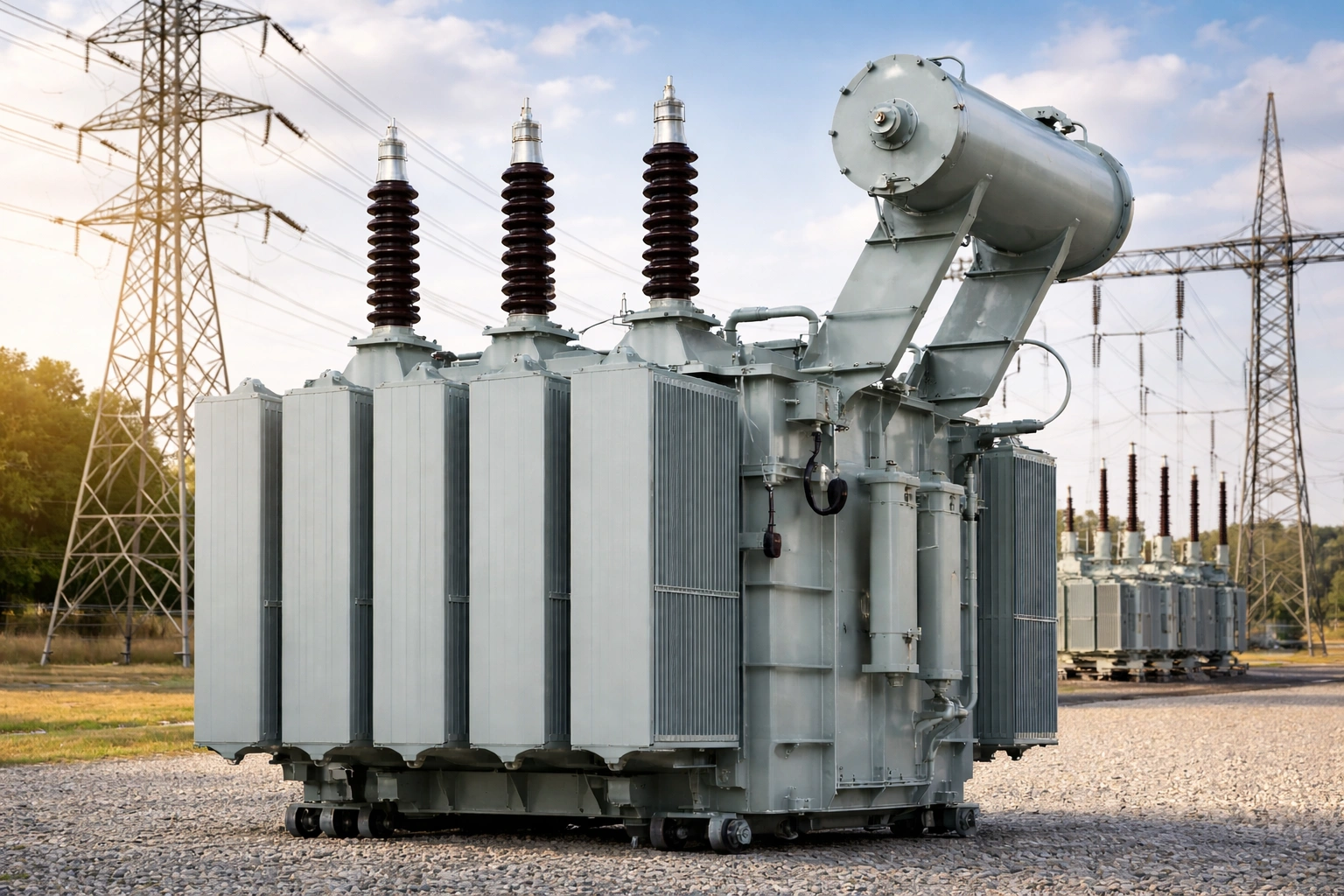
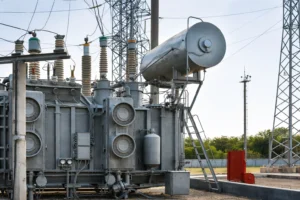
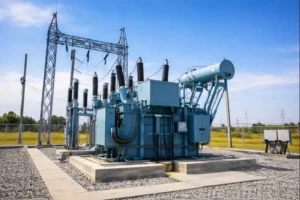
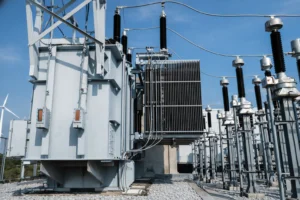
Utility-scale solar projects depend on efficient and reliable voltage transformation to deliver generated power from the plant to the grid. At the heart of this process are 3 phase step up transformers, which increase voltage from inverter or collector levels to transmission or substation voltages suitable for grid interconnection.
For solar EPCs and developers, these transformers are not just electrical components—they are schedule-critical assets that directly influence interconnection approval, commissioning, and commercial operation date (COD). Selecting the right 3 phase step up transformer manufacturer plays a decisive role in ensuring compliance with utility requirements, stable system performance, and predictable project execution.
Unimacts supports utility-scale solar projects by manufacturing 3 phase step up transformers engineered for grid interconnection, balanced power delivery, and long-term reliability.
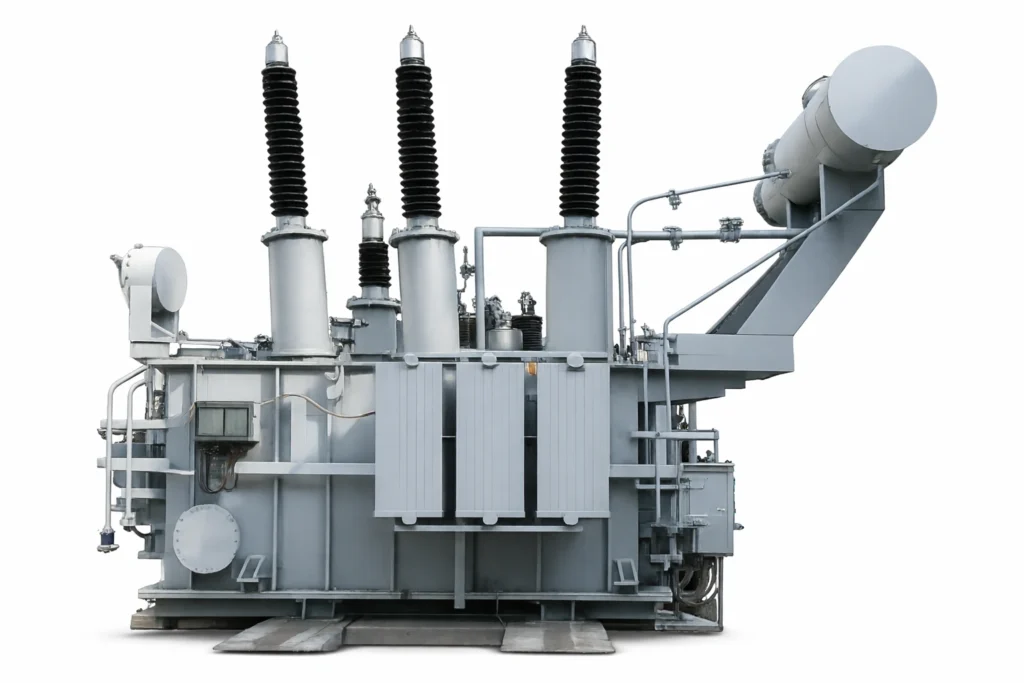
A 3 phase step up transformer is designed to increase voltage from a lower generation level to a higher transmission or substation level using three-phase alternating current. This configuration enables efficient power transfer with reduced losses and balanced load distribution across all phases.
In solar power plants, these transformers typically step voltage up from:
to:
Experienced power transformer manufacturers design these units to handle high power flows, thermal stress, and continuous operation common in utility-scale solar environments.
Solar generation facilities are often located far from load centers. Stepping voltage up at the plant level is essential to minimize transmission losses and meet grid efficiency requirements.
Utilities evaluate not only transformer ratings but also manufacturing quality, testing discipline, and compliance when approving interconnection equipment.
3 phase step up transformers installed at solar substations must meet strict utility and regulatory expectations.
Solar EPCs often coordinate with substation transformer manufacturers to ensure seamless integration between step up transformers and substation equipment.
Maintaining phase balance is essential for stable grid operation. Imbalances can lead to overheating, losses, and protection miscoordination.
Reputable transformer manufacturing companies treat phase balance and thermal performance as core manufacturing outcomes rather than post-production adjustments.
Solar generation introduces unique operating characteristics, including:
3 phase step up transformers must be designed to withstand these conditions without accelerated insulation aging. Conservative thermal margins and effective cooling systems are essential for long-term reliability.
Transformer lead times remain one of the highest risks for utility-scale solar projects. Delays in transformer delivery can stall substation construction and energization.
Solar EPCs should evaluate:
Working with established power transformer manufacturers reduces execution risk and helps protect COD schedules.
3 phase step up transformers operate alongside protection and monitoring equipment that ensures grid safety.
Utilities often require coordination with:
Transformer designs must support accurate measurement and reliable fault detection to achieve utility approval.
Unimacts partners with solar EPCs and developers as a manufacturing-first supplier of 3 phase step up transformers.
This approach enables EPCs to standardize transformer procurement while maintaining execution reliability across projects.
3 phase step up transformers are foundational to utility-scale solar interconnection, enabling efficient voltage transformation, stable power delivery, and grid compliance. Their performance directly affects transmission efficiency, protection coordination, and project COD timelines.
Solar EPCs and developers planning utility-scale interconnections can partner with Unimacts to source 3 phase step up transformers engineered for utility compliance, schedule certainty, and long-term grid reliability.
1. What voltage levels do 3 phase step up transformers typically handle in solar projects?
They commonly step voltage from inverter or collector levels to substation or transmission voltages.
2. Why are three-phase designs preferred for utility-scale solar?
They provide balanced power delivery, higher efficiency, and reduced losses.
3. How do utilities evaluate step up transformers for interconnection?
Based on compliance, testing, phase balance, and compatibility with protection systems.
4. What is the biggest risk related to step up transformers in solar projects?
Extended lead times impacting substation energization and COD.
5. Can one manufacturer support multiple solar projects?
Yes, if they have scalable capacity and standardized manufacturing processes.