
Anupreethi
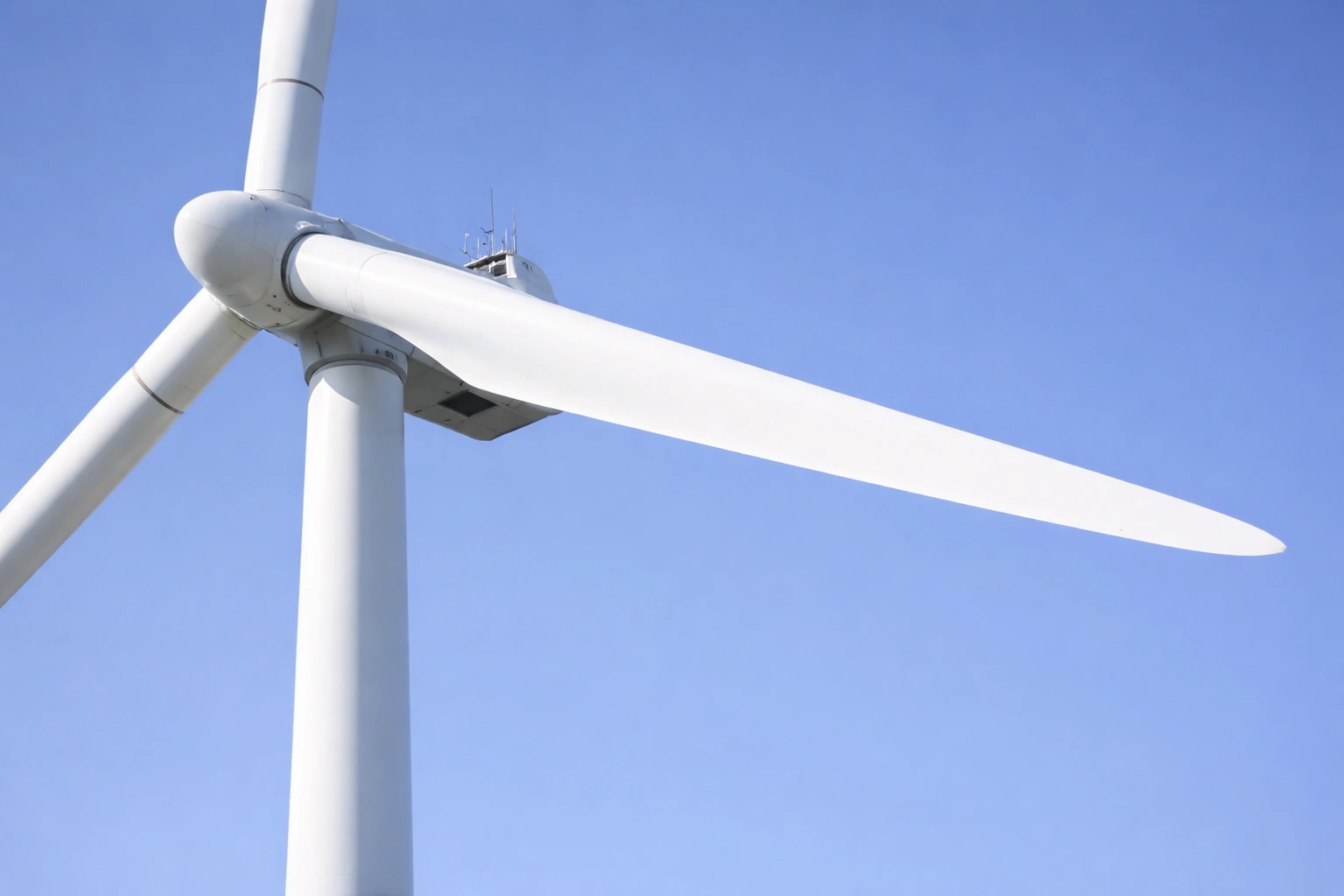
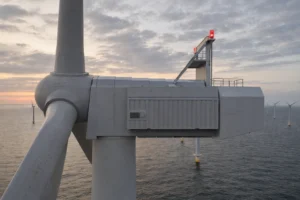
Wind turbine towers are not just vertical structural elements—they are engineered systems that house electrical infrastructure, access platforms, and auxiliary equipment. Within this framework, canopy tower structures serve as protective and functional extensions that support internal systems and operational accessibility.
As turbine designs evolve to accommodate higher capacities and modular installations, canopy structures are becoming more integrated into tower architecture. These structures must balance protection, accessibility, and manufacturability while aligning with broader turbine system requirements.
This blog examines the design principles, fabrication processes, and system integration considerations for canopy tower structures in modern wind turbines.
Canopy structures are typically installed at:
Their primary functions include:
Unlike primary tower sections, canopy structures are secondary assemblies, but they are critical for operational safety and system protection.
Designing canopy tower structures requires coordination between mechanical, electrical, and structural requirements.
Key design factors include:
Design must ensure that canopy structures do not interfere with:
Engineering teams must also account for wind loading and vibration effects, particularly in exposed offshore installations.
Canopy structures are typically fabricated using:
Material selection depends on:
Onshore canopy structures may use standard coating systems, while offshore applications require:
Unimacts supports these requirements through fabrication of structural frames and enclosure systems aligned to both onshore and offshore wind environments.
Fabrication of canopy tower structures involves:
Manufacturing priorities include:
Precision is critical to ensure that canopy structures fit seamlessly with tower sections without requiring on-site modifications.
Unimacts manufactures canopy-related structural components using controlled fabrication processes and inspection-driven quality systems.
Canopy structures often house electrical systems such as:
Integration considerations include:
Electrical system layout must be coordinated with canopy design to avoid congestion and ensure safe operation.
Unimacts supports this integration through fabrication of enclosure support systems and cable routing structures.
Cable systems passing through canopy structures must be carefully managed.
Key requirements include:
Canopy structures often serve as transition zones where cables move between tower sections and external infrastructure.
Proper structural support ensures that cables are securely routed and protected from mechanical stress.
Canopy structures are typically pre-fabricated and delivered as modular assemblies.
Installation factors include:
Modular design enables:
Manufacturing precision ensures that canopy components fit correctly during assembly.
Offshore canopy structures must address additional challenges:
Engineering solutions include:
These requirements increase fabrication complexity and demand higher quality control standards.
Canopy structures must support long-term turbine operation.
Key lifecycle considerations:
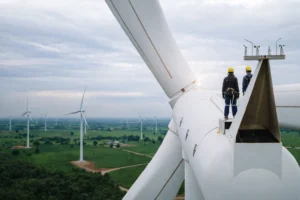
Well-designed canopy systems reduce maintenance effort and improve accessibility for technicians.
Canopy structures must align with multiple turbine subsystems, including:
Manufacturing plays a critical role in ensuring that all these systems integrate seamlessly.
Unimacts contributes through fabrication of structural components, enclosure systems, and integration-ready assemblies that support system-level coordination.
Canopy tower structures are an essential part of modern wind turbine systems, supporting protection, accessibility, and integration of internal components.
Their design and fabrication require coordination across structural, electrical, and installation requirements. As wind turbines continue to scale, canopy systems must evolve to support modular assembly, offshore durability, and long-term performance.
Through precision fabrication, structural engineering, and integration-focused manufacturing, Unimacts supports canopy tower structures aligned with European wind energy requirements.
1. What are canopy tower structures used for?
They protect internal systems and support maintenance access within wind turbines.
2. Where are canopy structures installed?
At tower bases, intermediate levels, and service access points.
3. Are canopy structures load-bearing?
They are secondary structures, not primary load-bearing components.
4. How do canopy structures support electrical systems?
By housing enclosures, cable systems, and control panels.
5. Does Unimacts manufacture canopy structures?
Yes. Unimacts provides structural fabrication and integration-ready assemblies for wind turbine systems.