
Anupreethi

Distribution transformers form the backbone of grid-edge power delivery, converting electricity from distribution voltage levels to safe, usable voltages for end customers. While they operate downstream of transmission assets, their performance directly affects service reliability, outage frequency, and power quality experienced by consumers.
U.S. utilities deploy multiple types of distribution transformers depending on network design, geography, load density, and safety requirements. Understanding the different types of distribution transformers—and where each is used—helps utilities, EPCs, and developers design resilient distribution systems and standardize procurement across service territories.
Unimacts supports utility distribution programs as a transformer manufacturing partner focused on grid-edge reliability, scalable production, and long-term performance.
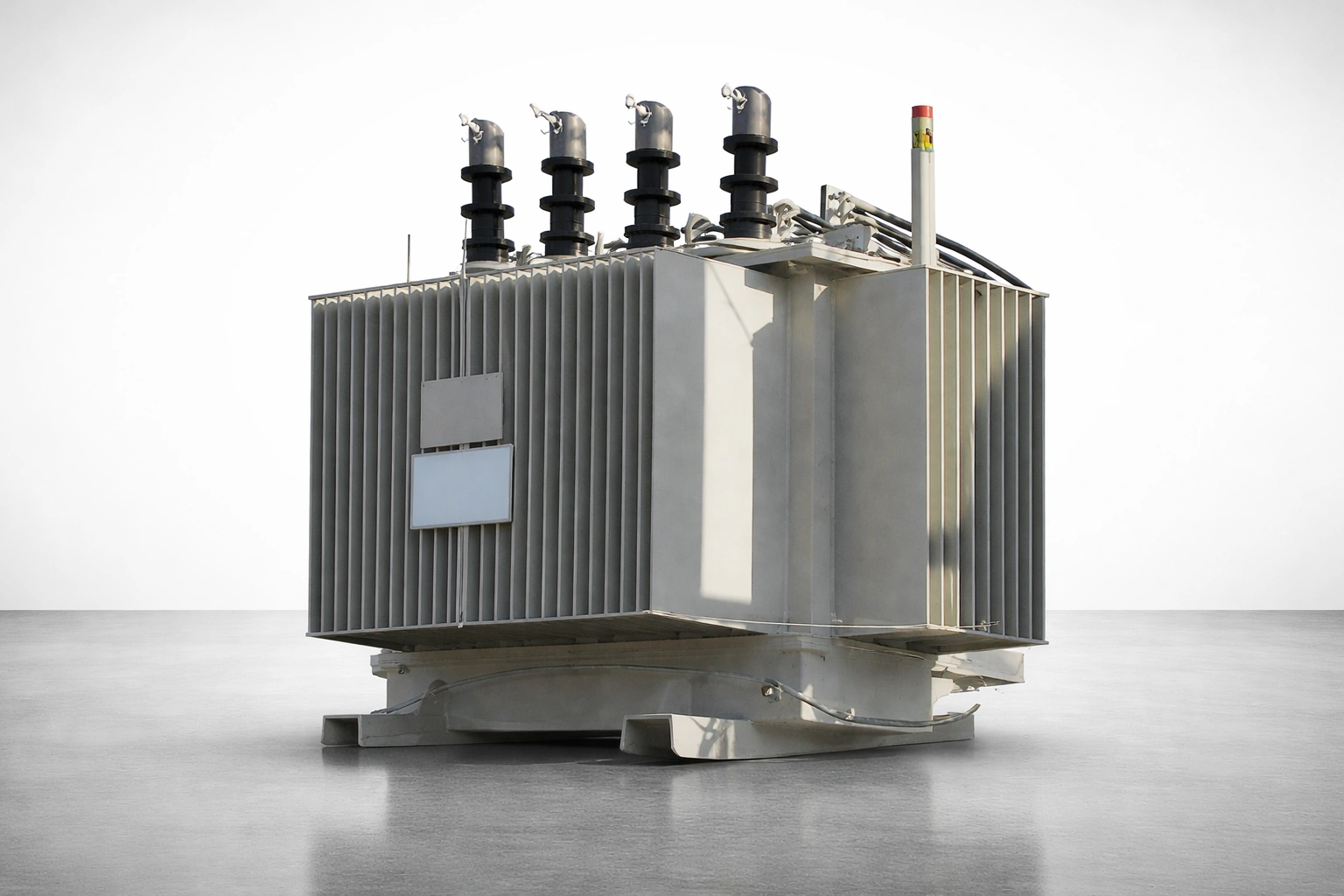
A distribution transformer is designed to step voltage down from distribution-level voltages to utilization voltages suitable for residential, commercial, and light industrial loads. Unlike power transformers, distribution transformers are deployed in large volumes and must perform reliably across diverse environments.
Utilities prioritize distribution transformers that deliver:
Because of their scale of deployment, even small performance improvements can have significant system-wide impact.
Pole-mounted transformers are widely used in overhead distribution networks, particularly in rural and suburban areas.
These transformers allow utilities to expand service coverage efficiently while minimizing infrastructure costs. Manufacturing consistency is critical, as pole-mounted units are often exposed to weather and environmental stress.
Pad-mounted transformers are common in underground distribution systems, urban developments, and commercial areas.
Utilities rely on pad-mounted transformers to meet safety and aesthetic requirements while maintaining reliable service in dense environments.
Underground distribution transformers support networks where overhead lines are impractical or undesirable, such as city centers and new residential developments.
These transformers demand disciplined manufacturing to ensure long-term reliability in confined installations.
Single-phase transformers are commonly deployed for residential loads and light commercial applications.
Utilities deploy single-phase units in high volumes, making efficiency and consistency essential.
Three-phase distribution transformers are used for commercial buildings, industrial facilities, and areas with higher load density.
Utilities often coordinate three-phase distribution transformer selection with 3 phase transformer manufacturers and distribution transformer manufacturers to support growing commercial and industrial demand.
Utilities and EPCs select between these types based on site constraints, safety considerations, and regulatory requirements.
Modern distribution networks are evolving due to:
Utilities increasingly specify distribution transformers with conservative thermal margins to accommodate future load growth and dynamic operating conditions.
Because distribution transformers are deployed at scale, manufacturing quality directly affects fleet-level reliability.
Experienced transformer manufacturing companies help utilities reduce maintenance variability and improve long-term system performance.
Unimacts supports utilities and EPCs through a manufacturing-first approach to distribution transformer delivery.
This approach enables utilities to deploy distribution transformers with confidence in both performance and delivery.
Different types of distribution transformers serve distinct roles across utility networks, from rural overhead lines to dense urban underground systems. Selecting the right transformer type for each application is essential to maintaining reliable, efficient grid-edge power delivery.
Utilities and EPCs planning distribution upgrades can partner with Unimacts to source distribution transformers engineered for specific network applications, long-term reliability, and scalable deployment across utility service territories.
1. Why do utilities use different types of distribution transformers?
Because network design, load density, safety, and geography vary across service areas.
2. Where are pad-mounted transformers typically used?
In underground distribution systems and urban or commercial developments.
3. Are oil-filled distribution transformers still widely used?
Yes. They remain common due to their cooling efficiency and durability.
4. What factors influence distribution transformer selection?
Load requirements, installation environment, safety considerations, and future growth.5. How do utilities evaluate distribution transformer manufacturers?
Based on manufacturing quality, testing discipline, delivery reliability, and field performance.