
Anupreethi
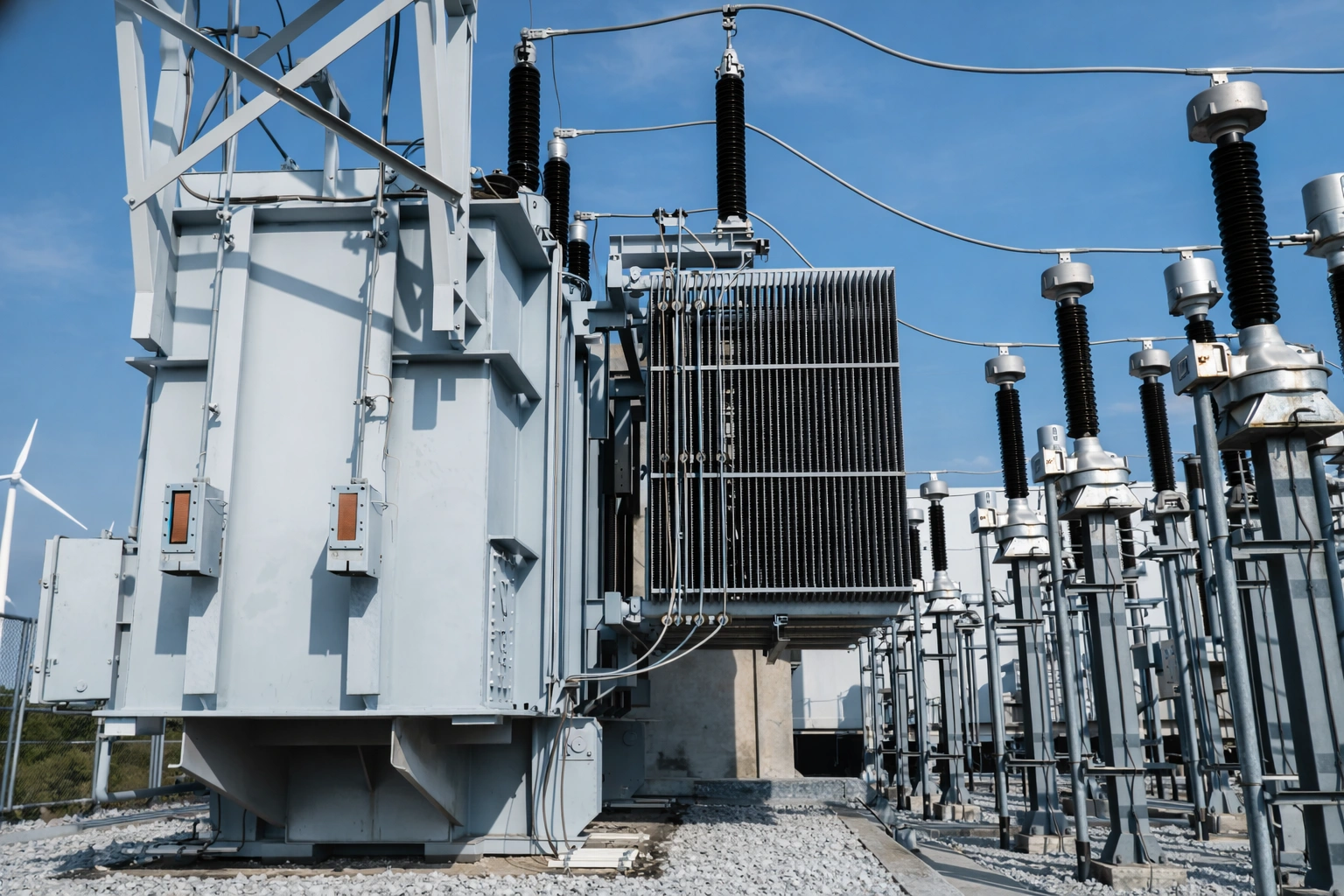
Extra-high-voltage (EHV) transformers represent the most critical class of transformer assets deployed in modern transmission networks. Operating at the highest voltage levels, these transformers enable bulk power transfer across long distances, interregional interconnections, and large-scale renewable evacuation corridors.
As transmission systems evolve to support higher capacities, longer corridors, and more complex power flows, EHV transformers are no longer niche assets—they are foundational infrastructure. Utilities deploying EHV systems expect uncompromising performance, conservative design margins, and absolute reliability. In this context, the role of EHV transformer manufacturing extends far beyond equipment supply; it directly determines transmission stability and grid resilience.
Unimacts supports EHV transmission programs through a manufacturing-first approach aligned with ultra-high-voltage engineering requirements and long-term grid performance.
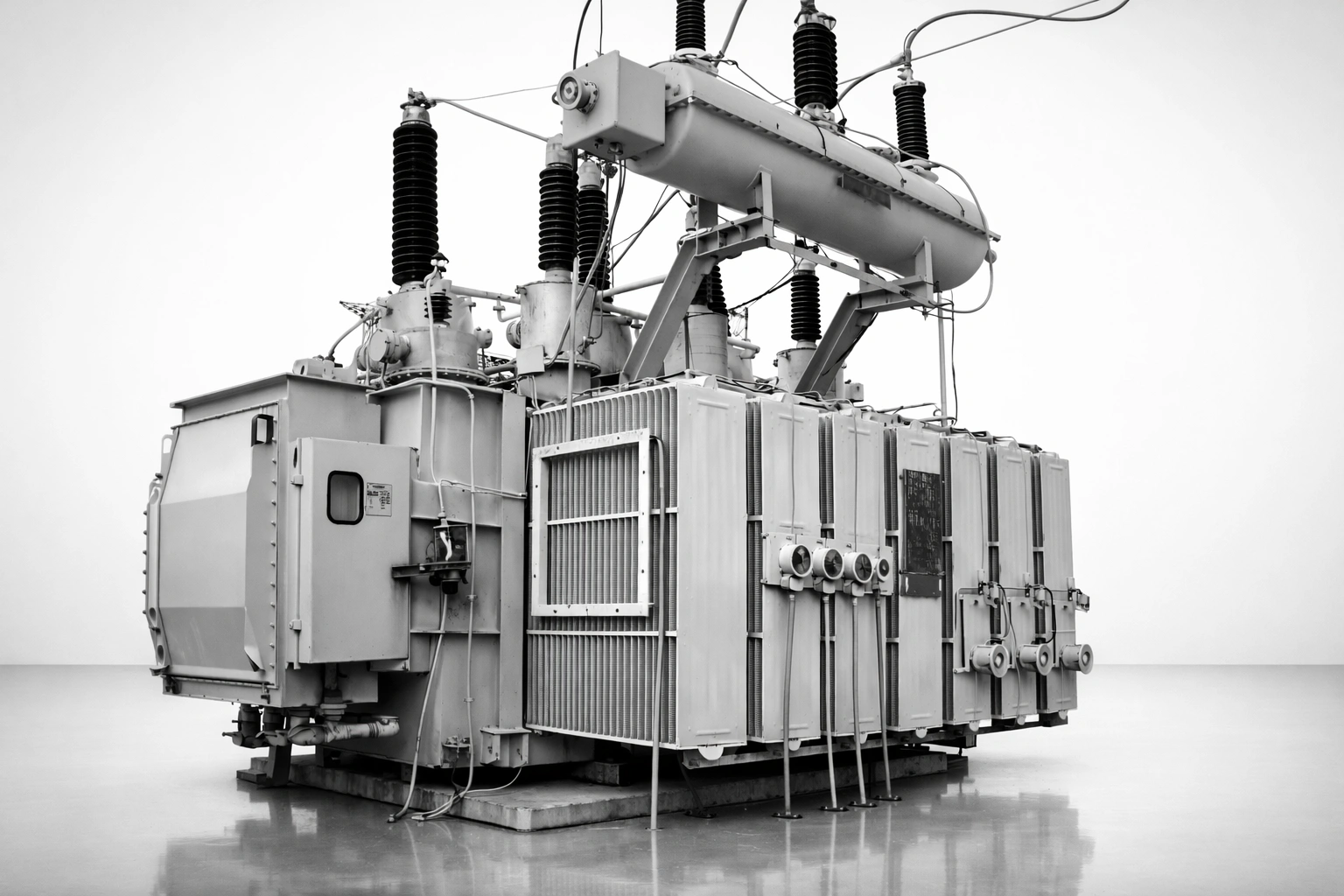
EHV transformers operate under conditions that significantly exceed those of conventional high-voltage equipment. Electrical stress, thermal loading, and mechanical forces scale sharply with voltage level, leaving little tolerance for design or manufacturing variability.
Because of these factors, EHV transformers are engineered and manufactured with far tighter performance margins than lower-voltage units.
Designing EHV transformers requires a holistic engineering approach that balances electrical, thermal, and mechanical performance over multi-decade service lives.
Insulation System Integrity
EHV transformers rely on complex oil-paper insulation systems designed to withstand sustained electrical stress and transient overvoltages. Insulation coordination and field distribution analysis are central to long-term reliability.
Thermal Performance and Loss Management
High power transfer levels generate substantial heat. Thermal design must ensure hotspot temperatures remain within safe limits under continuous and cyclic loading.
Mechanical Strength Under Fault Conditions
Short-circuit forces increase dramatically at EHV levels. Core and winding structures must be mechanically robust to prevent displacement or insulation damage during fault events.
Loss Optimization at Scale
Even small efficiency improvements at EHV capacity translate into significant system-level energy savings over the transformer’s lifecycle.
For EHV transformers, manufacturing quality is inseparable from reliability. Precision and process control are mandatory at every production stage.
EHV transformer manufacturers that lack disciplined process control expose utilities to unacceptable operational risk.
Testing of EHV transformers goes beyond standard routine checks. Given the consequences of failure, utilities require exhaustive validation before commissioning.
These tests confirm that EHV transformers can withstand real-world electrical, thermal, and transient stresses over decades of operation.
EHV transformers are essential enablers of long-distance, high-capacity transmission corridors. They support:
Without EHV transformer infrastructure, many large-scale transmission projects would be technically or economically unviable.
EHV transformers play a direct role in maintaining grid stability. Voltage regulation, fault containment, and system recovery all depend on transformer performance at the highest voltage levels.
Modern EHV designs increasingly incorporate:
These features help utilities manage asset health proactively and reduce the risk of catastrophic failures.
EHV transformers are among the longest-lead components in transmission projects. Delays can cascade across substation construction, line commissioning, and system energization.
Utilities therefore favor EHV transformer manufacturers that:
Execution reliability is as critical as technical performance.
Unimacts delivers EHV transformer solutions through a globally integrated manufacturing model designed for ultra-high-voltage applications.
This manufacturing-first approach enables utilities and EPCs to deploy EHV transformers with confidence in long-term performance and delivery certainty.
EHV transformers are built for the most demanding transmission applications—where electrical stress is extreme, performance margins are narrow, and failure is not an option. Their reliability defines the success of large-scale transmission corridors and interregional power systems.
Delivering dependable EHV transformer performance requires disciplined engineering, precision manufacturing, rigorous testing, and execution certainty. Manufacturers that understand and execute across these dimensions play a decisive role in modern grid development.
Unimacts supports the next generation of transmission infrastructure by delivering EHV transformers engineered and manufactured for long-term reliability, helping utilities build power networks capable of meeting future demand.
1. What voltage levels are considered EHV?
EHV typically refers to voltage levels of 345 kV and above used in transmission systems.
2. Why are EHV transformers more complex than HV transformers?
Higher voltage levels introduce greater electrical stress, thermal loading, and mechanical forces.
3. Where are EHV transformers commonly deployed?
In transmission substations, interregional interconnections, and long-distance power corridors.
4. How long do EHV transformers typically operate?
With proper design and maintenance, they can operate reliably for 30–40 years or more.
5. Why is testing especially critical for EHV transformers?
Because failures at EHV levels have widespread system impact and high replacement costs.