
Anupreethi
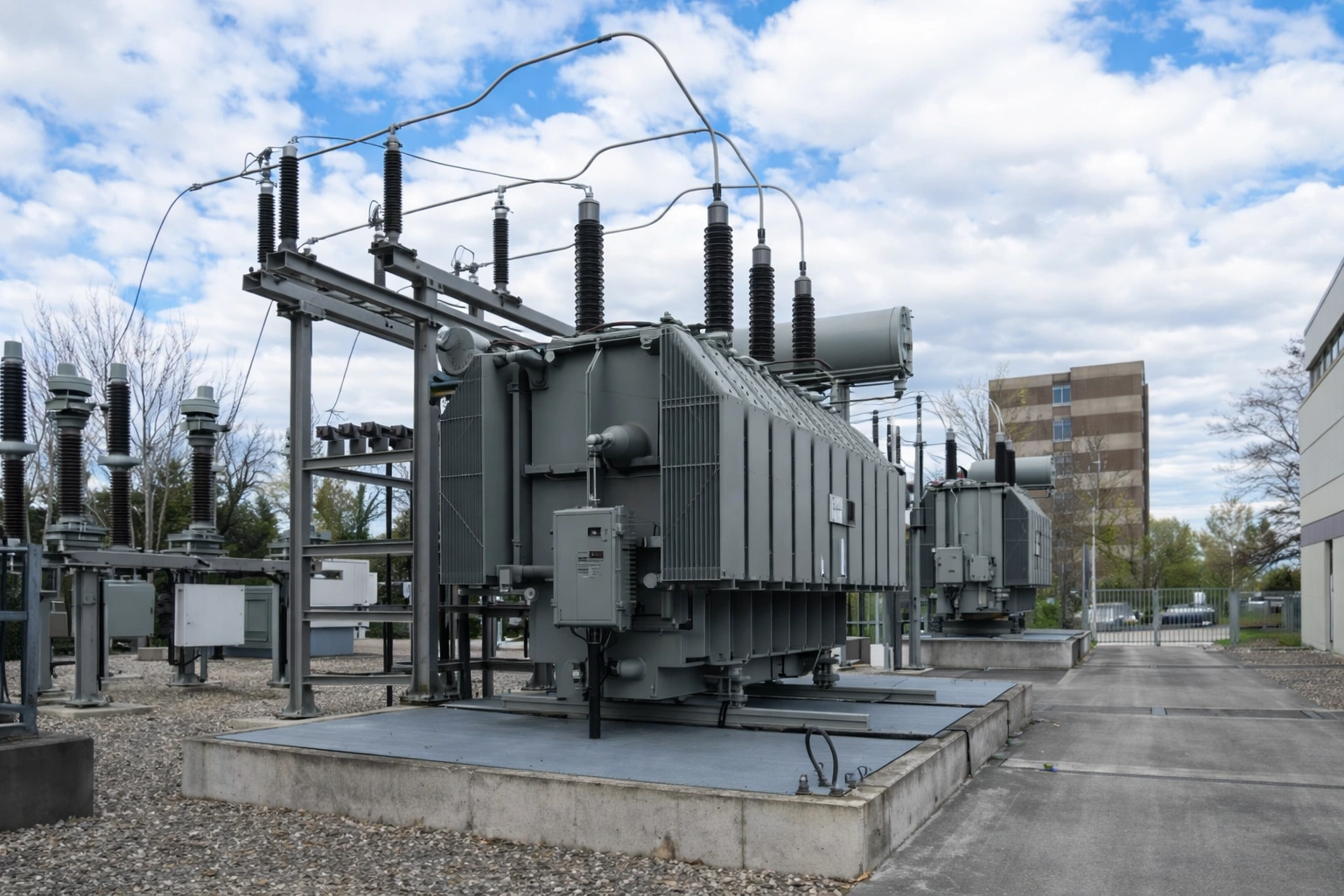
Electrical transformers are fundamental to how electricity is generated, transmitted, and delivered safely to end users. From stepping up voltage at power plants to regulating power at substations and industrial facilities, electrical transformers enable efficient energy movement across the grid.
As utilities modernize aging infrastructure and industries electrify operations, expectations from electrical transformers have evolved. Today’s buyers look beyond basic specifications—they assess manufacturing quality, lifecycle reliability, standards compliance, and the ability to scale production across large infrastructure programs. This shift has elevated the importance of working with capable electrical transformer manufacturers that understand both engineering complexity and execution discipline.
Unimacts supports this transition by delivering electrical transformers through a manufacturing-first approach aligned with utility-grade and industrial power system requirements.
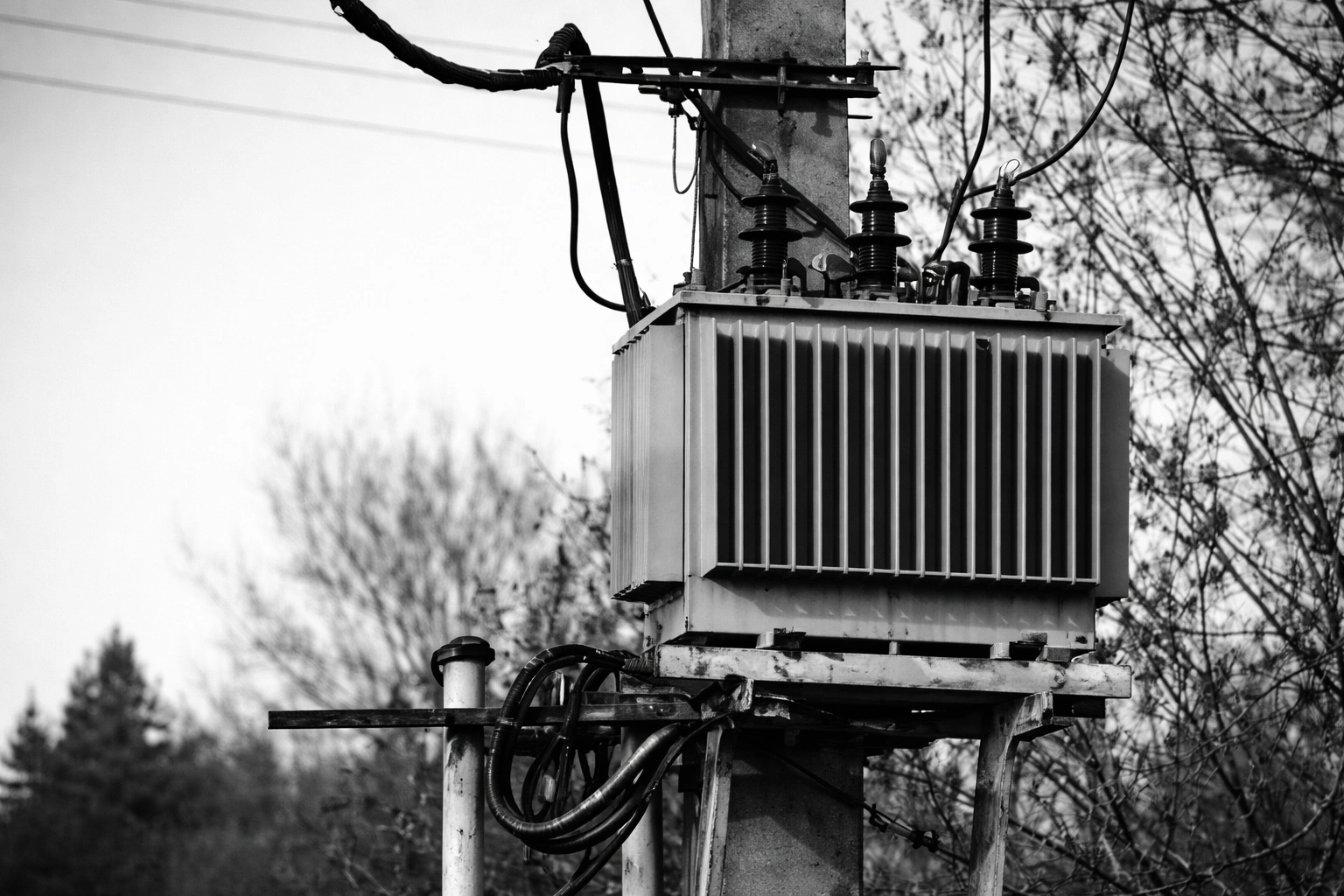
Electrical transformers serve as voltage management assets that enable stable, efficient power flow across the electrical system.
Without reliable electrical transformers, power systems would face excessive losses, instability, and safety risks—making transformer performance central to grid reliability.
Different parts of the grid require different transformer designs. Experienced electrical transformer manufacturing companies typically support multiple categories to address diverse applications.
Used in transmission and large substations, power transformers handle high voltages and capacities. They are designed for continuous operation and long service life under demanding electrical and thermal conditions.
Distribution transformers support downstream networks serving commercial, industrial, and residential loads. Efficiency, durability, and consistent quality are critical due to their widespread deployment.
As dry type electrical transformers manufacturers, suppliers support indoor substations, commercial buildings, and industrial facilities where fire safety and low maintenance are priorities.
Utilities and EPCs evaluate manufacturers of electrical transformers based on more than product availability. The focus is on manufacturing discipline and long-term reliability.
These criteria distinguish reliable electrical transformer manufacturers from commodity suppliers.
Electrical transformer manufacturing is a precision-driven process where consistency is critical.
Advanced electrical transformer manufacturing practices reduce variability and improve long-term field performance—key considerations for infrastructure-scale deployments.
Search behavior often includes terms like electrical transformer manufacturers in USA or electrical transformer manufacturers in India, reflecting global sourcing realities. However, utilities increasingly prioritize:
Globally enabled manufacturers with disciplined quality systems often provide greater execution reliability than purely regional suppliers.
As grid investments increase, utilities seek transformer partners capable of scaling production without compromising quality. This is particularly important for:
Working with experienced electrical transformer manufacturers helps utilities manage risk across long planning horizons.
Unimacts delivers electrical transformer solutions through a globally integrated manufacturing model designed for utility and industrial applications.
This approach positions Unimacts as a dependable partner among electrical transformer manufacturers serving modern power systems.
Electrical transformers are not interchangeable components—they are long-life assets that define the reliability, efficiency, and safety of power networks. As infrastructure investment accelerates, the importance of disciplined manufacturing and execution continues to grow.
Unimacts brings a manufacturing-first mindset to electrical transformer production, supporting utilities, EPCs, and industrial operators with scalable capability and quality-driven processes. For organizations building resilient and future-ready power systems, selecting the right electrical transformer partner remains a critical strategic decision.
1. What are electrical transformers used for?
They are used to step voltage up or down across transmission, distribution, and industrial power systems.
2. What is the difference between power and distribution transformers?
Power transformers serve high-voltage transmission systems, while distribution transformers support lower-voltage networks closer to end users.
3. Are dry-type electrical transformers suitable for utility use?
Yes. They are commonly used in indoor substations and safety-sensitive environments.
4. How long do electrical transformers typically last?
With proper design and maintenance, they can operate reliably for several decades.
5. Why is manufacturing quality critical for electrical transformers?
Because manufacturing consistency directly impacts performance, efficiency, and long-term reliability.