

Anupreethi
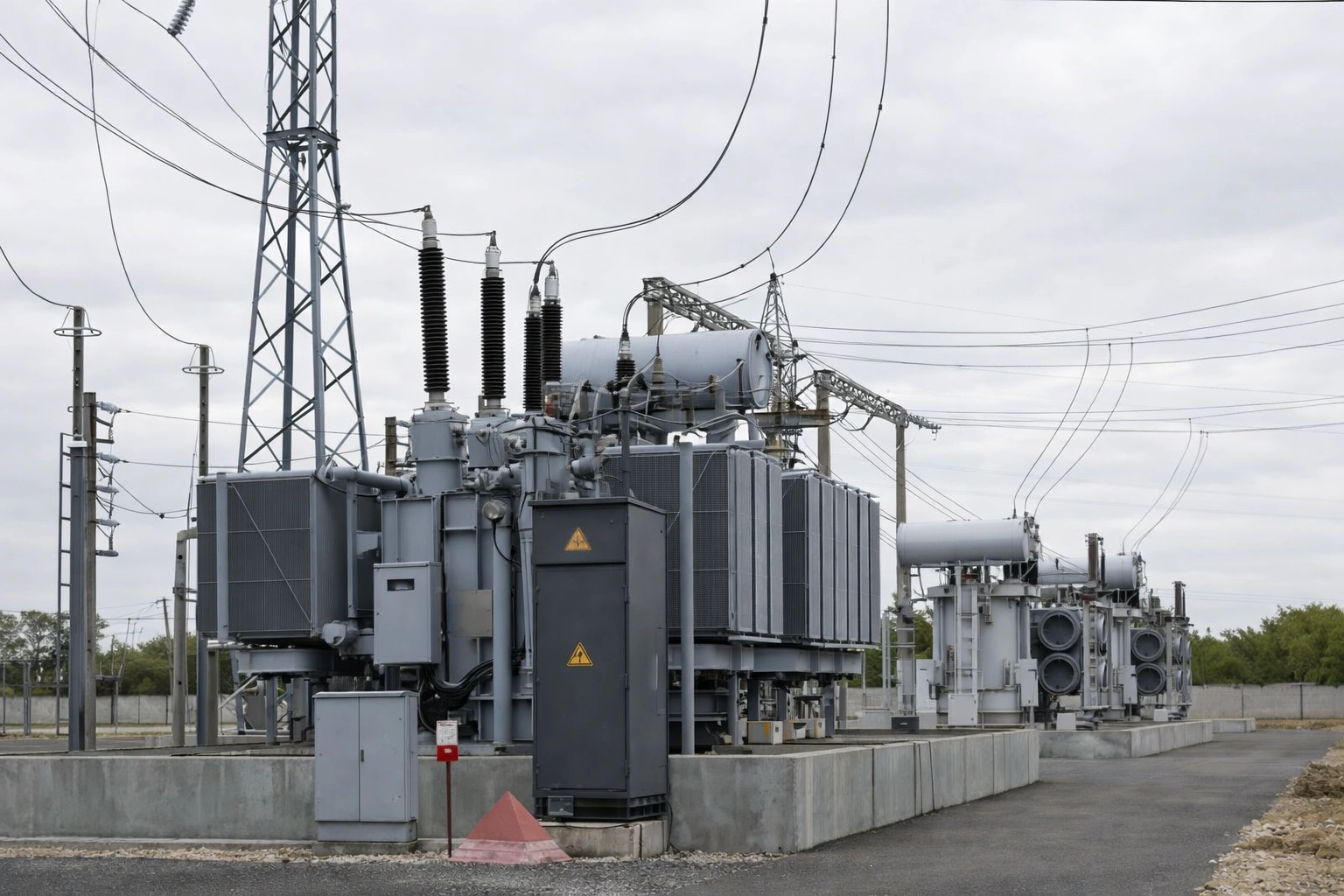
High voltage transformers are foundational assets within transmission networks, enabling efficient bulk power transfer across long distances while maintaining voltage stability and system resilience. As utilities reinforce aging infrastructure, expand transmission corridors, and integrate large volumes of renewable generation, the role of high voltage transformers has become more critical than ever.
Transmission systems today operate under increasing electrical, thermal, and mechanical stress. Higher power flows, bidirectional energy movement, and stricter reliability standards place elevated demands on transformer performance. In this environment, utilities and EPCs evaluate not only transformer ratings, but also the engineering rigor, manufacturing discipline, and lifecycle reliability behind each unit.
Unimacts supports modern transmission systems by delivering high voltage transformers through a manufacturing-first approach aligned with utility-grade reliability and long-term grid resilience.
High voltage transformers regulate voltage at critical nodes within transmission networks. Any performance degradation can ripple across large geographic areas, impacting system stability and outage risk.
Because transmission networks depend on continuous, uninterrupted operation, transformer reliability directly translates to grid resilience.
Designing high voltage transformers requires balancing multiple performance factors under extreme operating conditions. Small design compromises can significantly affect long-term reliability.
Utilities increasingly assess high voltage transformer suppliers based on how thoroughly these parameters are validated during design and testing.
High voltage transformer performance depends heavily on manufacturing precision. Even minor inconsistencies in materials or processes can introduce long-term failure risks.
Manufacturers that treat process control as a reliability function deliver more predictable field performance.
As transmission capacities increase, utilities are deploying higher voltage classes, including extra-high-voltage (EHV) transformers, to move larger power volumes efficiently.
Experienced high voltage transformer manufacturers design and build these units with conservative operating margins to ensure stable performance over decades.
Testing serves as the final gatekeeper before high voltage transformers enter service. Because these assets are expected to operate for 30–40 years, comprehensive validation is essential.
Rigorous testing confirms that transformers can withstand real-world transmission conditions before commissioning.
Renewable energy integration has reshaped transmission operating profiles. Variable generation, load cycling, and power flow reversals introduce new stresses on high voltage transformers.
Modern designs account for:
These considerations help utilities maintain resilience as grids transition toward cleaner energy sources.
Extended lead times remain a major constraint for high voltage transformers. Delays can affect substation energization and transmission corridor readiness.
Utilities increasingly favor manufacturers that:
Execution reliability has become as important as technical performance.
Unimacts delivers high voltage transformer solutions through a globally integrated manufacturing model aligned with transmission-scale requirements.
This manufacturing-first approach enables utilities and EPCs to deploy transmission infrastructure with greater confidence and long-term reliability.
High voltage transformers are among the most critical assets in transmission networks, directly influencing grid reliability, resilience, and operational stability. As power systems evolve to handle higher loads and more complex power flows, transformer performance becomes increasingly decisive.
Reliable and resilient transmission networks are enabled by disciplined engineering, precision manufacturing, rigorous testing, and execution certainty. High voltage transformer manufacturers that understand these responsibilities play a pivotal role in modern grid development.
Unimacts supports transmission reliability by delivering high voltage transformers designed and manufactured for long-term performance, helping utilities build power networks capable of meeting future demand.
1. What are high voltage transformers used for?
They are used in transmission substations to regulate voltage and support long-distance power transfer.
2. How do high voltage transformers differ from distribution transformers?
They operate at higher voltage levels and handle significantly larger power capacities.
3. Why is insulation coordination critical in high voltage transformers?
Because electrical stress increases with voltage, making insulation integrity essential for long-term reliability.
4. What role does testing play in transformer reliability?
Testing validates electrical, thermal, and dielectric performance before commissioning.
5. How do utilities reduce risk when procuring high voltage transformers?
By working with manufacturers that offer disciplined manufacturing, rigorous testing, and predictable delivery.