
Anupreethi
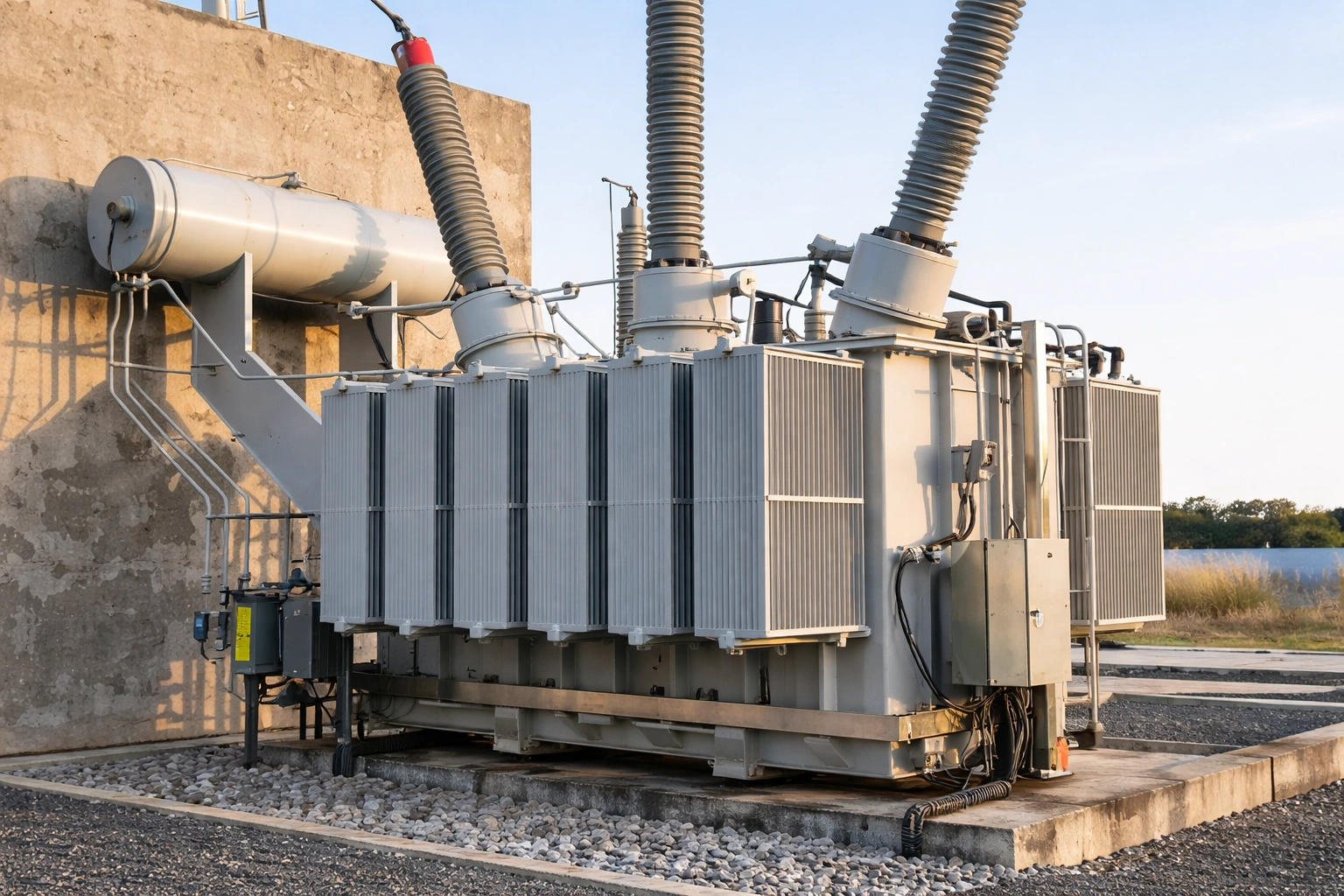
Transmission networks form the backbone of national power systems, carrying bulk electricity over long distances from generation sources to load centers. At the core of these networks are power transformers—high-capacity, high-voltage assets that directly influence grid stability, efficiency, and resilience.
As utilities expand transmission corridors, integrate renewable generation, and reinforce aging infrastructure, the expectations placed on power transformer manufacturers have increased significantly. Today, manufacturers are not evaluated solely on capacity ratings or voltage classes. Instead, utilities and EPCs assess how effectively manufacturers enable long-term reliability through engineering rigor, manufacturing discipline, testing depth, and execution certainty.
Unimacts supports transmission-scale power systems by delivering power transformers through a manufacturing-first approach aligned with modern grid performance and reliability requirements.
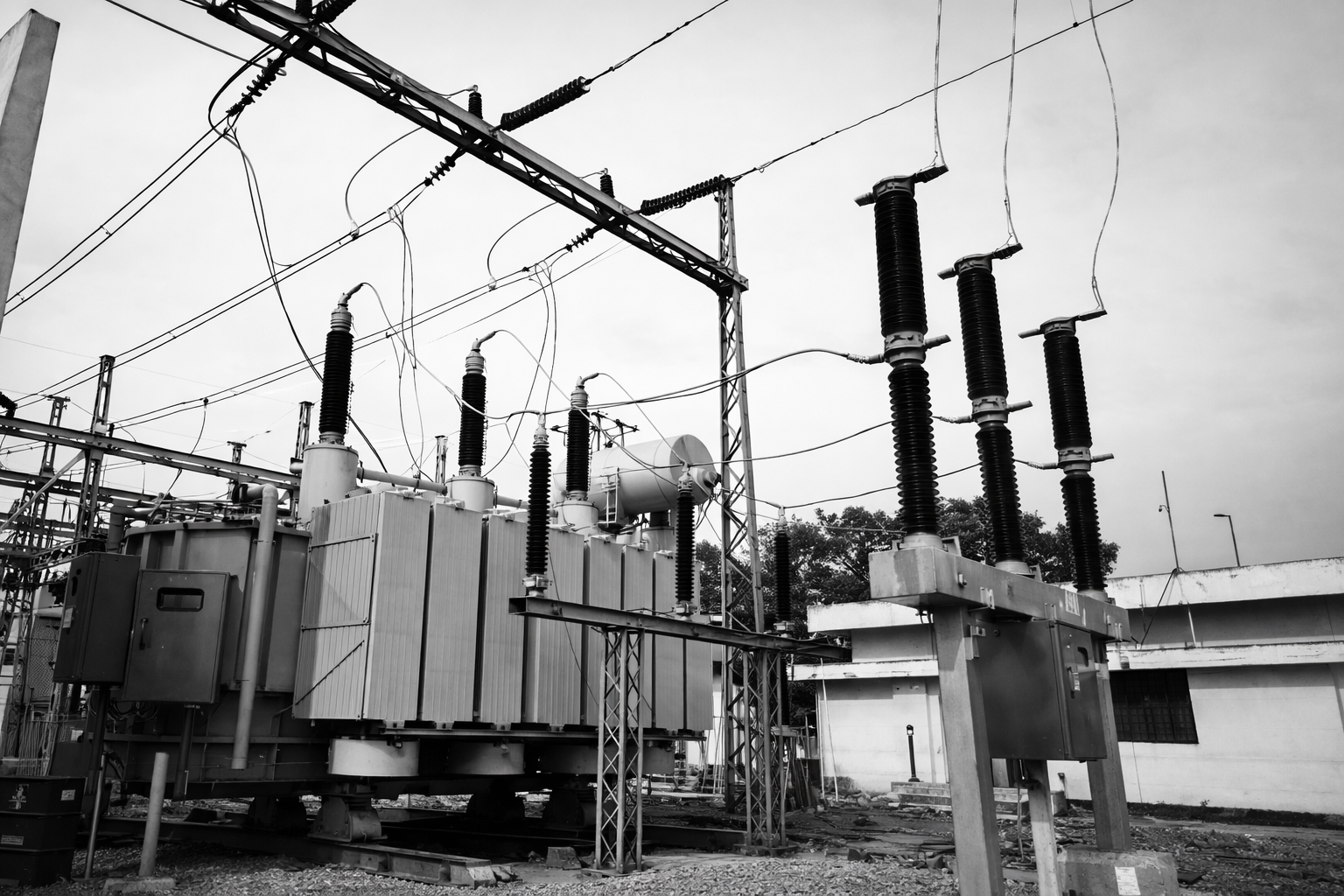
Transmission networks operate under demanding conditions—high voltages, fluctuating loads, fault events, and continuous duty cycles. Power transformers serve as critical nodes within this system, regulating voltage levels and ensuring stable power flow.
Any weakness in transformer design or manufacturing can compromise the reliability of entire transmission corridors. This makes the role of manufacturers of power transformers central to grid performance.
Reliable transmission begins at the design stage. Power transformer manufacturers must engineer units that balance electrical performance, thermal margins, and mechanical strength.
Utilities increasingly differentiate high voltage power transformer manufacturers based on how thoroughly these design elements are validated rather than simply specified.
Even the most robust design can fail without disciplined manufacturing execution. Transmission-grade power transformers demand precision at every production stage.
Leading power transformer manufacturers treat manufacturing as a reliability function, not just a production activity.
Modern transmission systems increasingly rely on high voltage power transformers and EHV power transformers to support renewable integration, load growth, and interconnection between regions.
Experienced high voltage power transformer manufacturers design and manufacture these units with conservative margins to ensure stable performance over decades of service.
Testing is a non-negotiable step in enabling transmission reliability. Because power transformers are long-life assets, comprehensive validation before commissioning is essential.
Rigorous testing provides utilities with confidence that transformers will perform as intended under real-world transmission conditions.
Transmission projects are capital-intensive and schedule-sensitive. Extended transformer lead times can delay substation commissioning and corridor energization.
Power transformer manufacturers that enable reliability also:
Utilities increasingly favor manufacturers that reduce execution risk across multi-substation and multi-year transmission programs.
Renewable energy has reshaped transmission operating profiles. Variable generation, bidirectional power flows, and harmonics place additional demands on transformers.
Modern power transformer designs account for:
This ensures transmission transformers remain reliable as grids transition toward cleaner energy sources.
Unimacts supports transmission networks through a globally integrated manufacturing model focused on execution discipline and utility alignment.
This manufacturing-first approach positions Unimacts among capable power transformer manufacturers supporting reliable, long-term transmission infrastructure.
Transmission reliability is not achieved through system design alone—it is built into every critical component that enables power flow across the grid. Power transformers, as the backbone of transmission substations, play a decisive role in determining grid stability and resilience.
Power transformer manufacturers enable reliable transmission networks by combining disciplined engineering, precision manufacturing, rigorous testing, and execution certainty. As utilities expand and modernize transmission infrastructure, working with manufacturers that understand these responsibilities becomes essential.
Unimacts delivers power transformers designed and manufactured to support dependable transmission performance, helping utilities and EPCs build power networks that operate reliably for decades.
1. Why are power transformers critical to transmission reliability?
They regulate voltage and support bulk power transfer, directly affecting grid stability.
2. How do high-voltage transformers differ from distribution transformers?
High-voltage transformers handle larger capacities and operate at transmission voltage levels.
3. What role does manufacturing quality play in transformer reliability?
Manufacturing precision ensures insulation integrity, thermal performance, and mechanical strength.
4. Why is testing important for transmission transformers?
Testing validates performance under electrical, thermal, and fault conditions before commissioning.
5. How do power transformer manufacturers manage long lead times?
Through capacity planning, disciplined production schedules, and early material procurement.