
Anupreethi
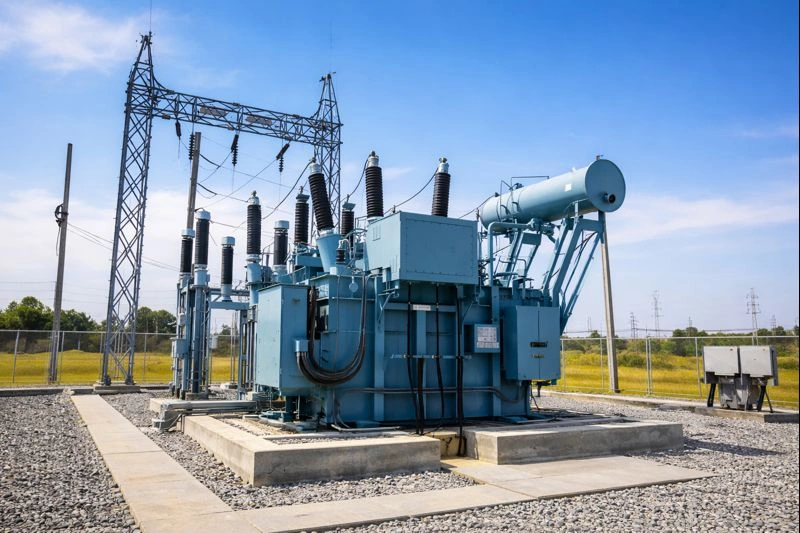
Power transformers are the backbone of high-capacity electrical networks, enabling voltage transformation at transmission substations, generation interconnections, and industrial power hubs. As utilities expand high-voltage corridors and reinforce grid resilience, expectations from power transformers manufacturers have shifted sharply—from basic compliance to long-term operational assurance.
Today’s utilities and EPCs evaluate not only transformer ratings, but also manufacturing discipline, high-voltage design capability, testing depth, and execution reliability. With transformer lead times under pressure and grid consequences tied directly to equipment performance, selecting the right power transformer manufacturer is a strategic infrastructure decision.
Unimacts supports modern power systems through a manufacturing-first transformer platform designed for high-voltage, industrial, and utility-scale deployment.
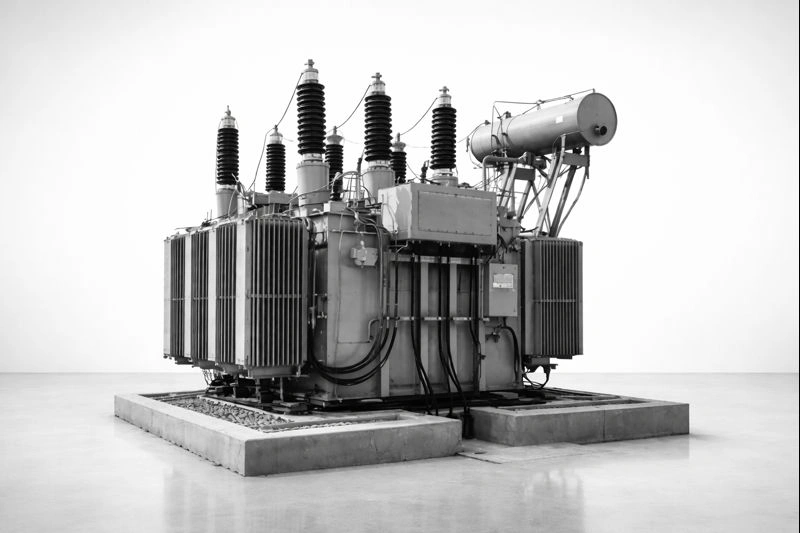
Unlike distribution equipment, power transformers operate at the highest voltage and capacity levels within the grid. Their performance affects entire substations, regions, and interconnections.
Because failures can trigger widespread outages, utilities prioritize manufacturers of power transformers with proven design validation and manufacturing control.
Modern grids increasingly rely on high voltage power transformers and EHV power transformers to support renewable integration, interregional transfer, and electrification-driven load growth.
Experienced high voltage power transformer manufacturers design these units with conservative margins to ensure decades-long reliability.
As substations grow in capacity, demand for large power transformer manufacturers continues to rise. These transformers support:
A capable large power transformer manufacturer must manage transport constraints, structural integrity, and on-site installation challenges—factors that directly influence project risk.
For industrial users, industrial power transformers are engineered to handle high fault levels, cyclical loading, and demanding operating environments.
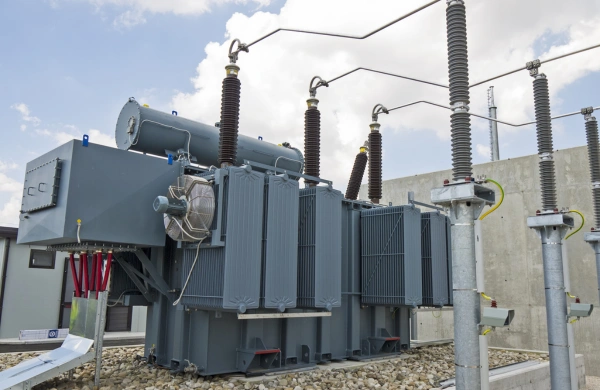
Most high-capacity transformers are oil-filled due to superior cooling and insulation performance.
These designs require strict control over drying, oil processing, sealing, and testing to preserve dielectric integrity over long service lives.
While oil-filled units dominate transmission, dry type power transformer manufacturers support applications where fire safety and indoor installation are priorities.
A qualified dry type power transformers manufacturer optimizes cooling and insulation systems to meet safety standards without compromising electrical performance.
Not all power transformers are standardized. Utilities and industrial operators often require application-specific designs.
Custom power transformer manufacturers provide flexibility in design while maintaining compliance and testing rigor.
Additionally, control power transformer manufacturers support auxiliary systems, protection circuits, and substation controls—critical for safe and reliable grid operation.
Modern utilities increasingly integrate power transformer monitoring systems to track temperature, load, and insulation health in real time. Manufacturers that design transformers with monitoring compatibility help operators:
This reflects a shift toward lifecycle-focused transformer procurement.
Search terms like power transformer manufacturers in USA or power transformers manufacturers USA reflect buyer concern around standards alignment, delivery certainty, and quality transparency—not just geography.
Leading global power transformer manufacturers serving the U.S. market must demonstrate:
Unimacts delivers power transformer solutions through a globally integrated manufacturing model aligned with U.S. utility and EPC requirements.
This positions Unimacts among dependable power transformers manufacturers supporting modern transmission and industrial power systems.
Power transformers are among the most critical and capital-intensive assets in the electrical grid. As voltage levels rise and operating conditions become more complex, utilities and EPCs require manufacturers with deep engineering capability and disciplined manufacturing execution.
Unimacts brings a manufacturing-first approach to power transformer delivery—supporting high-voltage, industrial, and utility-scale applications with scalable capacity and long-term reliability. For organizations building resilient power infrastructure, choosing the right power transformer partner remains a foundational decision.
1. What are power transformers used for?
They are used in transmission substations and generation interconnections to step voltage levels up or down.
2. What is the difference between power and distribution transformers?
Power transformers operate at higher voltages and capacities and serve transmission networks.
3. Are oil-filled transformers still widely used?
Yes. Oil-immersed and oil-cooled transformers dominate high-capacity applications.
4. Do manufacturers offer custom power transformers?
Yes. Custom designs are common for voltage-specific, space-constrained, or industrial applications.
5. Why is monitoring important for power transformers?
Monitoring helps detect early signs of stress or failure, improving reliability and asset life.