
Anupreethi
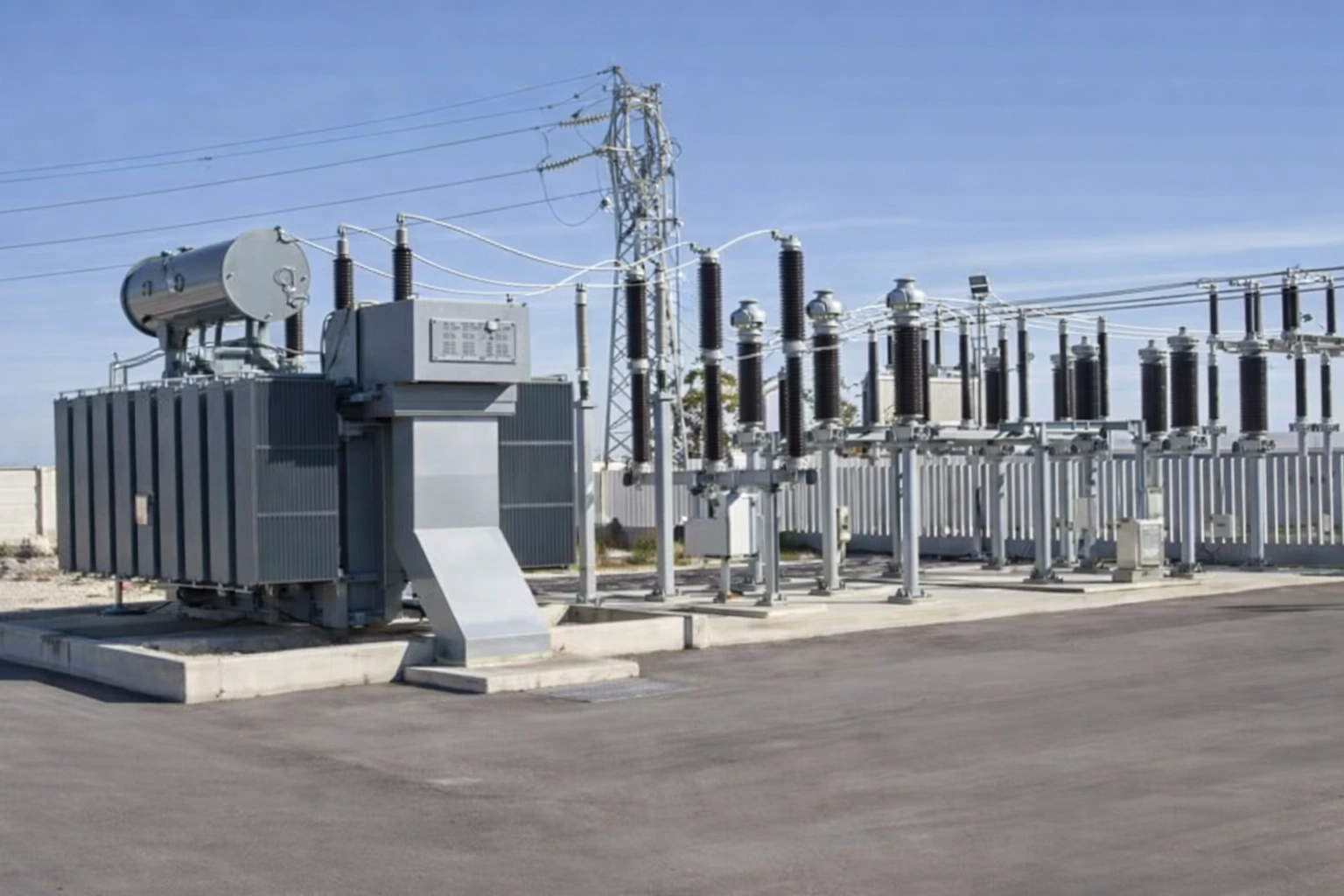
Transformers are foundational to every power system—enabling voltage regulation, efficient energy transfer, and grid reliability across generation, transmission, and distribution networks. As the U.S. power sector modernizes to support electrification, renewables, and industrial growth, the role of a capable transformer manufacturing company has become increasingly strategic.
Utilities, EPCs, and industrial operators no longer evaluate suppliers purely on product catalogs. Instead, they assess transformer manufacturing depth, engineering rigor, quality systems, and delivery reliability. In a market facing capacity constraints and extended lead times, selecting the right manufacturing partner directly impacts project timelines, regulatory compliance, and long-term asset performance.
Unimacts operates as a manufacturing-first transformer partner, supporting utility-grade power systems through globally integrated production, disciplined quality control, and infrastructure-scale execution.
The transformer manufacturing industry supports critical infrastructure worldwide. It spans multiple product categories, voltage classes, and end-use applications—each requiring specialized engineering and production capabilities.
Modern transformer manufacturing demands far more than assembly. It requires tight control over materials, electrical design, thermal performance, and testing to meet increasingly stringent grid standards.
Not all transformer manufacturing companies are equipped to support utility-scale and industrial applications. Leading manufacturers demonstrate strength across the full production lifecycle.
A credible electrical transformer manufacturing company aligns engineering, manufacturing, and quality systems under one execution framework.
A modern transformer manufacturing facility integrates multiple high-precision processes under controlled conditions.
Specialized transformer manufacturing equipment—such as automatic winding machines, vacuum drying ovens, and high-voltage test bays—plays a critical role in ensuring consistent quality and repeatable performance.
Most transformer manufacturing industries focus on power and distribution transformers as their primary output.
Designed for transmission and substations, power transformers handle high voltages and large capacities. A qualified transformer manufacturing company must demonstrate deep expertise in insulation coordination, thermal management, and fault tolerance.
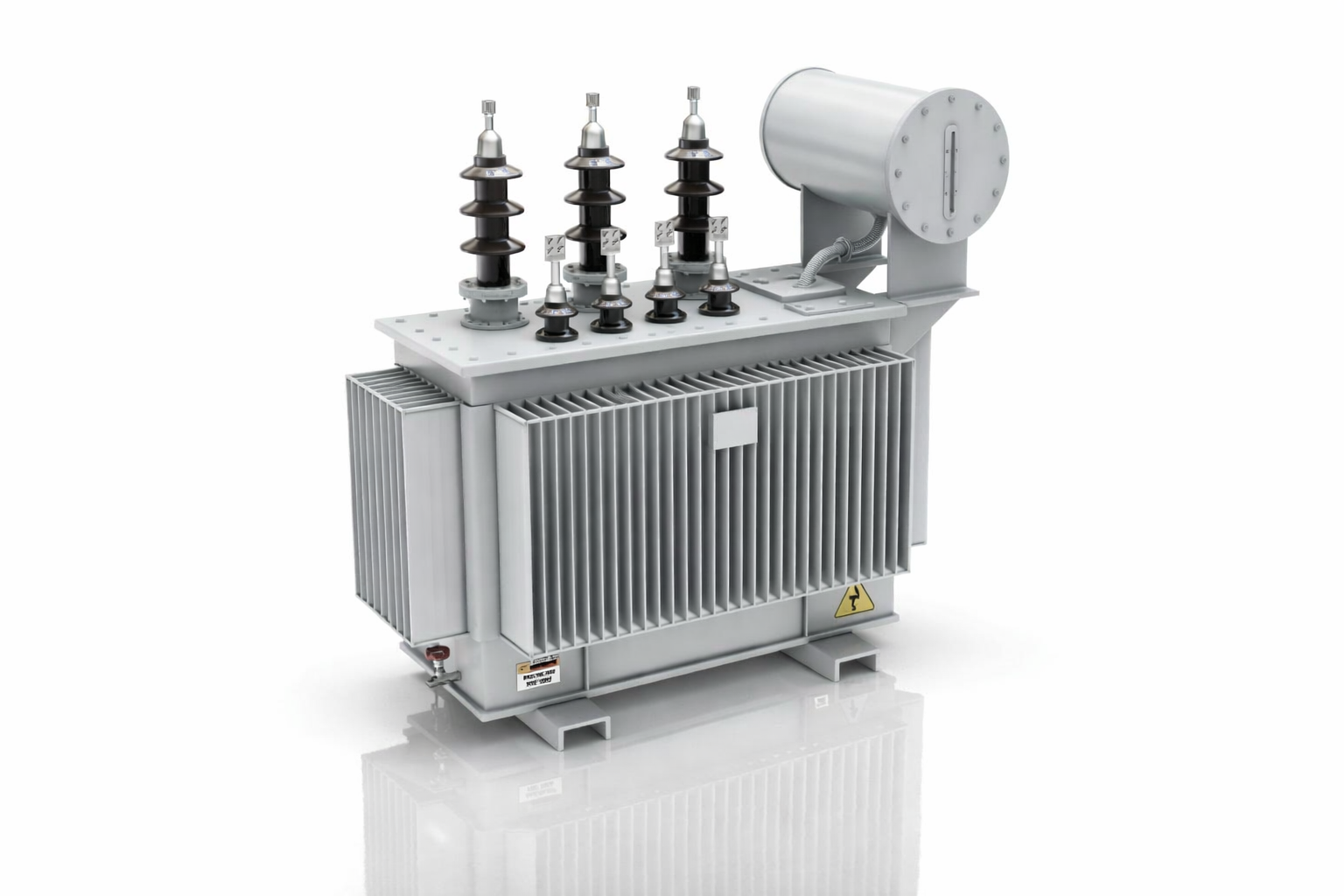
Distribution transformers support downstream networks serving industrial, commercial, and residential loads. While often smaller, these units demand high efficiency and reliability across long service lives.
Beyond core power equipment, many manufacturers support specialized transformer categories.
Current transformers are essential for protection, control, and metering systems within substations and industrial facilities. A current transformer manufacturing company must deliver precision accuracy and stable performance across operating conditions.
Toroidal transformers are used in applications requiring compact size, low noise, and high efficiency—commonly in industrial and electronic systems.
Selective specialization allows electrical transformer manufacturing companies to address diverse grid and industrial requirements without compromising quality.
Search terms like “transformer manufacturing company near me” or “transformer manufacturing companies in USA” reflect buyer focus on proximity, compliance, and delivery assurance rather than geography alone.
Utilities increasingly prioritize:
A globally enabled transformer manufacturing company with experience serving the U.S. market can often provide greater flexibility and risk mitigation than purely localized suppliers.
Unimacts supports transformer programs through a globally integrated manufacturing model aligned with U.S. infrastructure requirements.
This positions Unimacts as a reliable partner among transformer manufacturing companies in USA serving utilities, EPCs, and industrial customers.
Extended lead times remain a defining challenge across the transformer sector. Utilities and EPCs increasingly favor transformer manufacturing companies that can mitigate risk through diversified production, material planning, and execution discipline.
Manufacturers that align capacity planning with long-term grid investment programs provide a measurable advantage in project delivery and commissioning timelines.
The role of a transformer manufacturing company extends far beyond equipment supply. In today’s power landscape, manufacturers are infrastructure partners—responsible for reliability, compliance, and long-term grid performance.
Unimacts brings a manufacturing-first, execution-driven approach to transformer production, supporting power utilities, EPCs, and industrial operators with scalable capability and disciplined delivery. As grid modernization accelerates, selecting a transformer manufacturing partner with proven engineering depth and operational control remains critical to infrastructure success.
1. What does a transformer manufacturing company produce?
Transformers for power transmission, distribution networks, protection systems, and industrial applications.
2. How do utilities evaluate transformer manufacturing companies?
Based on engineering capability, quality systems, testing infrastructure, and delivery reliability.
3. What is included in a transformer manufacturing facility?
Core processing, winding, tank fabrication, drying, oil processing, and full electrical testing.
4. Are current transformers manufactured differently from power transformers?
Yes. Current transformers prioritize accuracy and protection performance rather than power handling.
5. Why are lead times a major factor in transformer manufacturing?
Because transformers involve long material cycles, precision manufacturing, and extensive testing before commissioning.