

Anupreethi
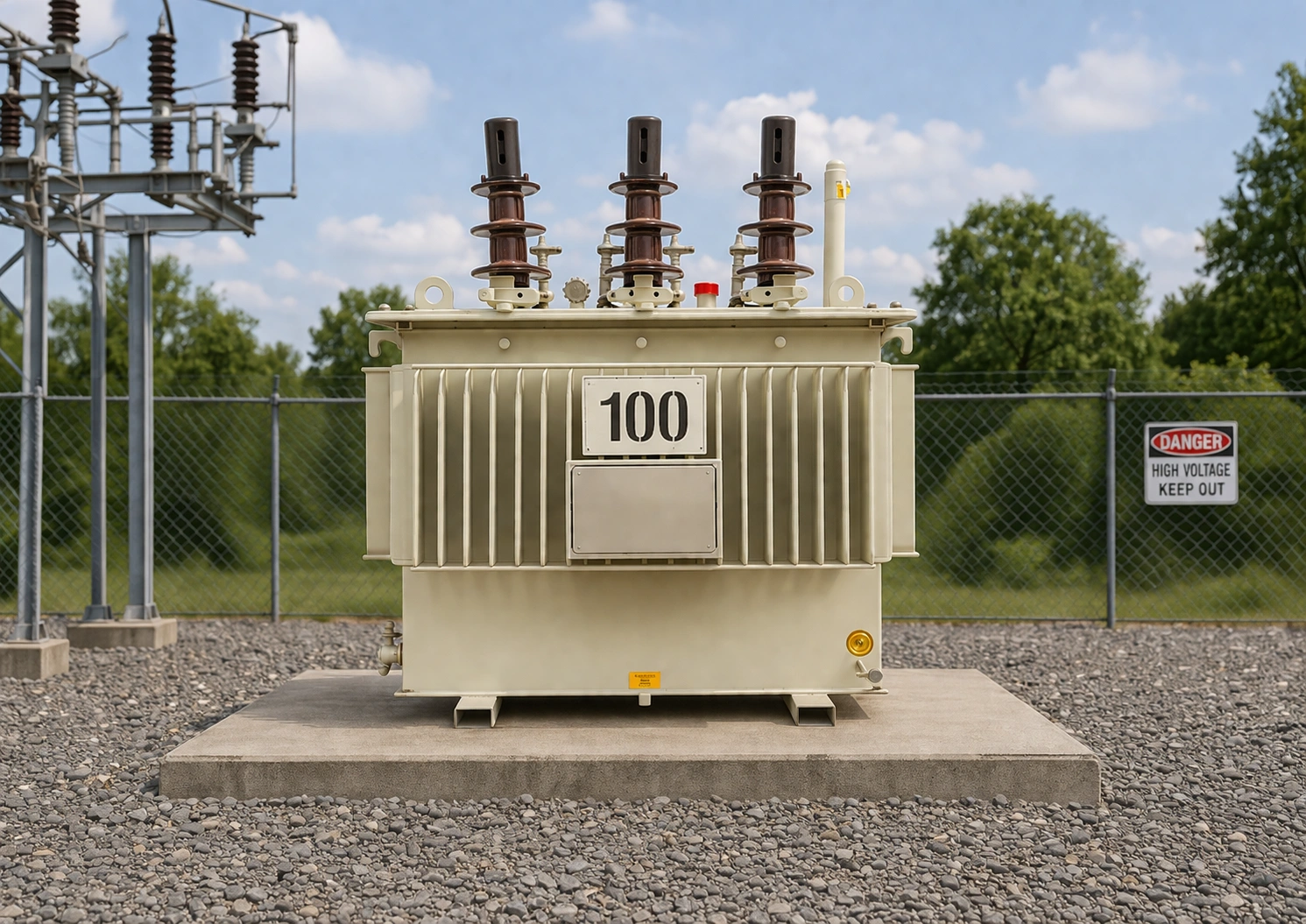
Three-phase power is the standard foundation of modern electrical systems, supporting everything from utility transmission networks to industrial plants and large commercial facilities. At the center of this architecture are 3 phase transformers, which enable efficient voltage transformation while maintaining balanced power delivery across all phases.
For utilities, EPCs, and industrial operators, understanding how 3 phase transformers work is essential—but equally important is selecting the right 3 phase transformer manufacturer. Performance, reliability, and long-term system stability depend not only on electrical principles, but also on manufacturing precision, insulation integrity, and testing discipline.
Unimacts supports utility and industrial power systems as a manufacturer of 3 phase transformers designed for balanced loads, durability, and long service life.
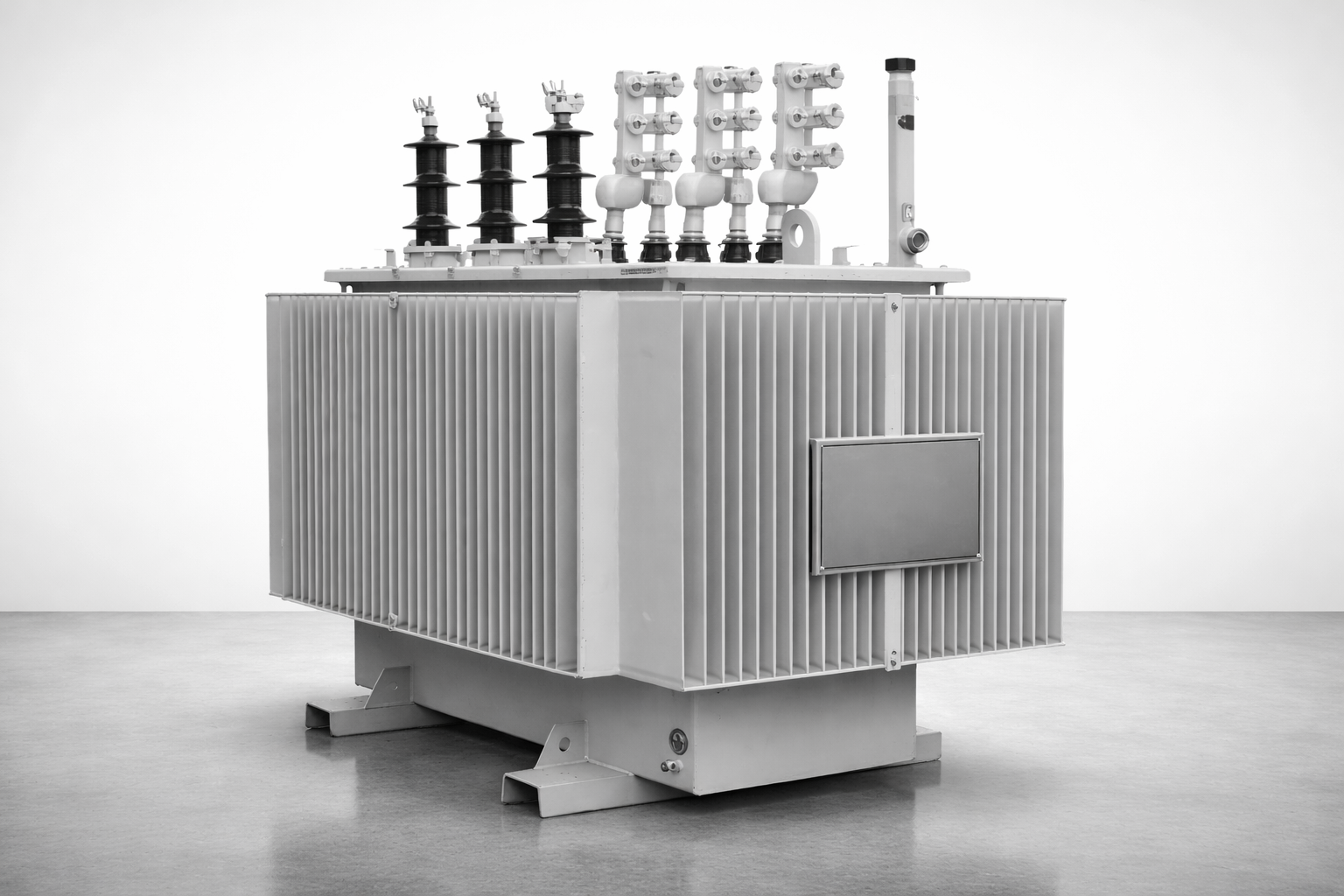
A 3 phase transformer is an electrical device that transfers power between voltage levels using three alternating current phases that are offset by 120 degrees. This configuration enables continuous power flow and higher efficiency compared to single-phase systems.
Unlike single-phase units, 3 phase transformers are specifically designed to:
Experienced 3 phase transformer manufacturers design these units to deliver stable performance under varying load conditions.
Three-phase systems dominate utility and industrial networks because they provide smoother power delivery and better efficiency.
Utilities and industrial operators rely on 3 phase transformer manufacturers to maintain tight phase balance and voltage regulation across these systems.
3 phase transformers can be configured in different winding arrangements depending on system requirements.
A qualified 3 phase transformer manufacturer helps utilities select the appropriate configuration based on network design and operating conditions.
3 phase transformers are deployed wherever large, continuous power delivery is required.
In each case, transformer performance directly affects system efficiency and operational reliability.
Maintaining phase balance is one of the most critical manufacturing challenges for 3 phase transformers. Small deviations in winding geometry or insulation can lead to unequal phase voltages and increased losses.
Leading 3 phase transformer manufacturers implement strict process controls to ensure balanced output and long-term stability.
As electrification accelerates, load profiles are becoming more dynamic. Electric vehicles, data centers, and distributed generation place new demands on three-phase systems.
Modern 3 phase transformers are designed to:
Utilities increasingly specify conservative thermal margins to accommodate evolving load conditions.
Unimacts manufactures 3 phase transformers aligned with utility and industrial requirements, focusing on execution reliability and long-term performance.
This manufacturing-first approach positions Unimacts among dependable 3 phase transformer manufacturers supporting modern power systems.
3 phase transformers are fundamental to the efficient operation of utility and industrial power systems. By enabling balanced power flow and higher efficiency, they support reliable electricity delivery across a wide range of applications.
Utilities and industrial operators planning power system upgrades can partner with Unimacts as a 3 phase transformer manufacturer delivering balanced performance, long-term reliability, and scalable execution for modern power networks.
1. What is the main benefit of a 3 phase transformer?
It provides balanced power delivery with higher efficiency than single-phase systems.
2. Where are 3 phase transformers commonly used?
In substations, industrial plants, commercial facilities, and transmission networks.
3. How do 3 phase transformers differ from single-phase transformers?
They handle higher power levels and provide smoother, continuous power flow.
4. Why is phase balance important?
Imbalanced phases can increase losses, overheating, and equipment stress.
5. How do utilities evaluate 3 phase transformer manufacturers?
Based on manufacturing precision, testing discipline, load handling capability, and long-term reliability.