

Anupreethi

As wind energy projects expand across Europe, the role of manufacturing and supply chain partners has become increasingly strategic. OEMs and developers are no longer focused solely on cost competitiveness—they are evaluating partners based on engineering capability, production scalability, compliance, and long-term reliability.
In both onshore and offshore wind projects, supply chain performance directly impacts project timelines, installation efficiency, and lifecycle performance. Selecting the right manufacturing partner is therefore a critical decision that influences not only component quality but also overall project success.
This blog outlines the key factors wind energy companies prioritise when selecting manufacturing and supply chain partners.
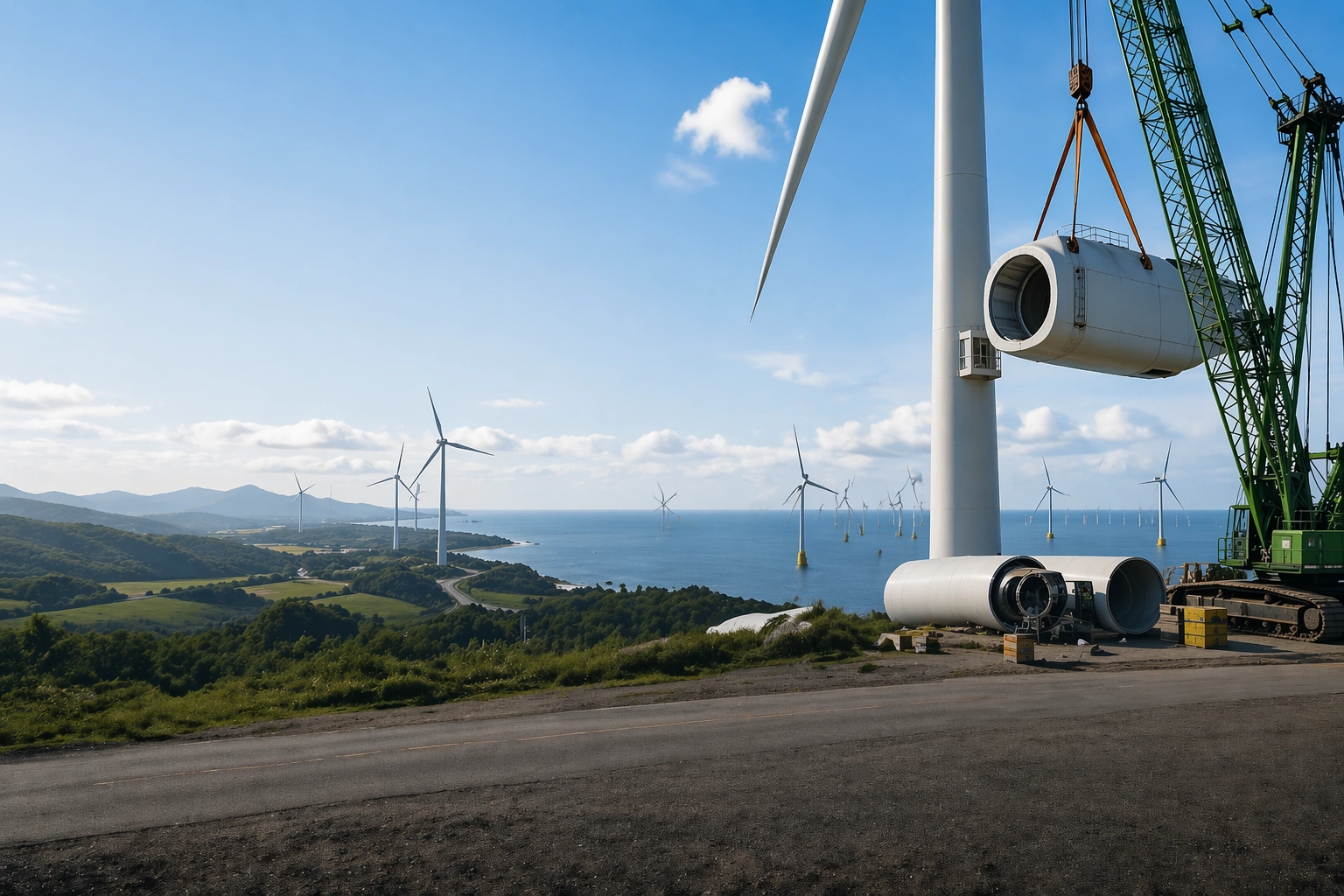
Wind turbine systems require high-precision components across structural, mechanical, and electrical domains.
Manufacturing partners are evaluated on their ability to:
Technical capability is particularly important for components such as:
Unimacts supports these requirements through precision structural fabrication and integration-ready manufacturing aligned with wind turbine system needs.
Wind projects often involve large volumes of components delivered over defined timelines.
Manufacturing partners must demonstrate:
Scalability ensures that suppliers can support growing project pipelines without compromising quality or delivery schedules.
Wind energy companies operate under strict regulatory and certification frameworks.
Manufacturers are expected to comply with:
Quality governance includes:
Unimacts operates with structured quality systems designed to meet European compliance requirements and support audit-driven procurement processes.
Timely delivery is critical in wind projects, where installation schedules are tightly coordinated.
Wind energy companies evaluate:
Supply disruptions can lead to:
Reliable manufacturing partners provide predictable delivery and support project timelines.
With offshore wind driving much of Europe’s growth, suppliers must demonstrate capability to operate under marine conditions.
Evaluation criteria include:
Components used offshore must withstand:
Unimacts supports offshore wind programs through fabrication processes aligned with marine durability requirements.
Wind turbine components must integrate seamlessly across mechanical, electrical, and structural systems.
Manufacturing partners are evaluated on their ability to support:
Integration-ready manufacturing reduces:
Unimacts contributes through fabrication of structural frames, enclosure systems, and cable support components designed for system-level integration.
While cost remains a key factor, wind energy companies prioritise value over lowest price.
Evaluation includes:
Manufacturing partners are expected to support value engineering initiatives that balance cost with performance and reliability.
European wind projects increasingly require localised manufacturing or regional supply chain support.
Key considerations include:
Manufacturing partners with regional presence can improve supply chain efficiency and reduce project risk.
Modern wind projects rely on digital tools for planning and monitoring.
Manufacturing partners are expected to provide:
Digital capability enhances coordination and improves decision-making across project stakeholders.
Wind energy companies prioritise partners capable of supporting long-term collaboration.
This includes:
Strategic partnerships enable:
Unimacts operates with a program-based approach that supports long-term wind manufacturing partnerships aligned with evolving industry needs.
Manufacturing and supply chain partners play a critical role in the success of wind energy projects. Wind energy companies evaluate suppliers across multiple dimensions, including engineering capability, production scalability, quality governance, and delivery reliability.
As wind projects become larger and more complex—particularly in offshore environments—the importance of integration-ready manufacturing and supply chain stability continues to grow.
Through structural fabrication, electrical enclosure manufacturing, cable system support, and program-based production planning, Unimacts supports wind energy projects with capabilities aligned to European industry requirements.
In a market where reliability, compliance, and scalability define success, manufacturing partners must deliver consistent performance across the entire project lifecycle.
1. What do wind energy companies look for in manufacturing partners?
Engineering capability, quality compliance, scalability, and delivery reliability.
2. Why is supply chain reliability important?
It ensures timely project execution and reduces risk of delays.
3. How important is offshore capability?
Critical for projects exposed to marine conditions and durability requirements.
4. Do manufacturers need to support integration?
Yes. Integration-ready components reduce installation complexity.
5. Does Unimacts support wind supply chains?
Yes. Unimacts provides structural, electrical, and integration-ready manufacturing capabilities.