
Anupreethi
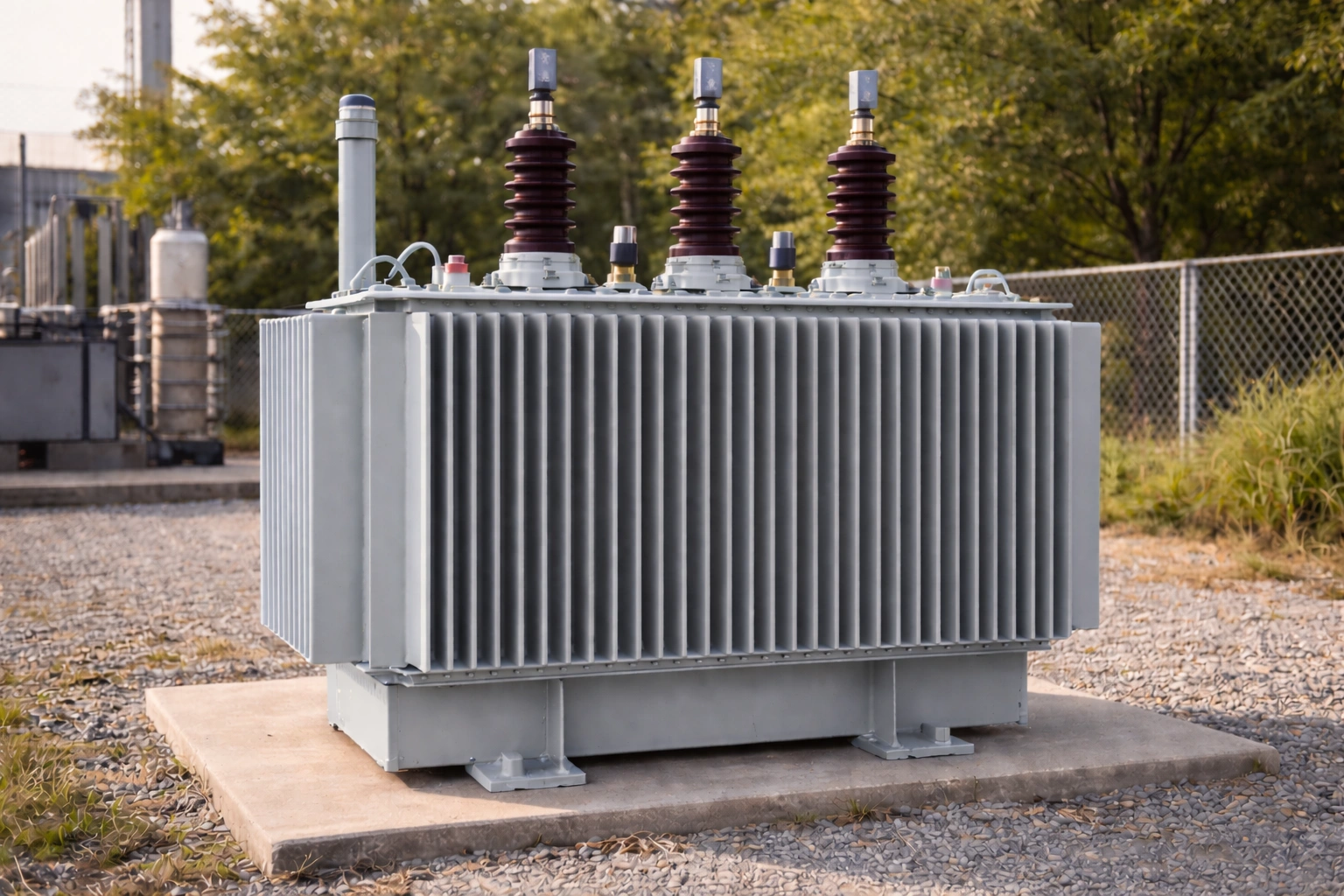
Reliable downstream power delivery depends on one essential function: supplying electrical equipment with voltage levels that are safe, stable, and consistent. Step down transformers perform this function by reducing higher upstream voltages to levels suitable for distribution networks, industrial systems, and end-use equipment.
For utilities, solar EPCs, and industrial operators, selecting the right step down transformer is not a routine purchase—it is a reliability decision. Poor voltage regulation, manufacturing inconsistency, or delayed delivery can introduce power quality issues, equipment damage, and commissioning delays. This is why working with experienced transformer manufacturing companies and proven step down transformer manufacturers is critical to downstream system performance.
Unimacts supports utility, solar, and industrial customers by manufacturing step down transformers engineered for stable voltage delivery, long service life, and predictable execution.
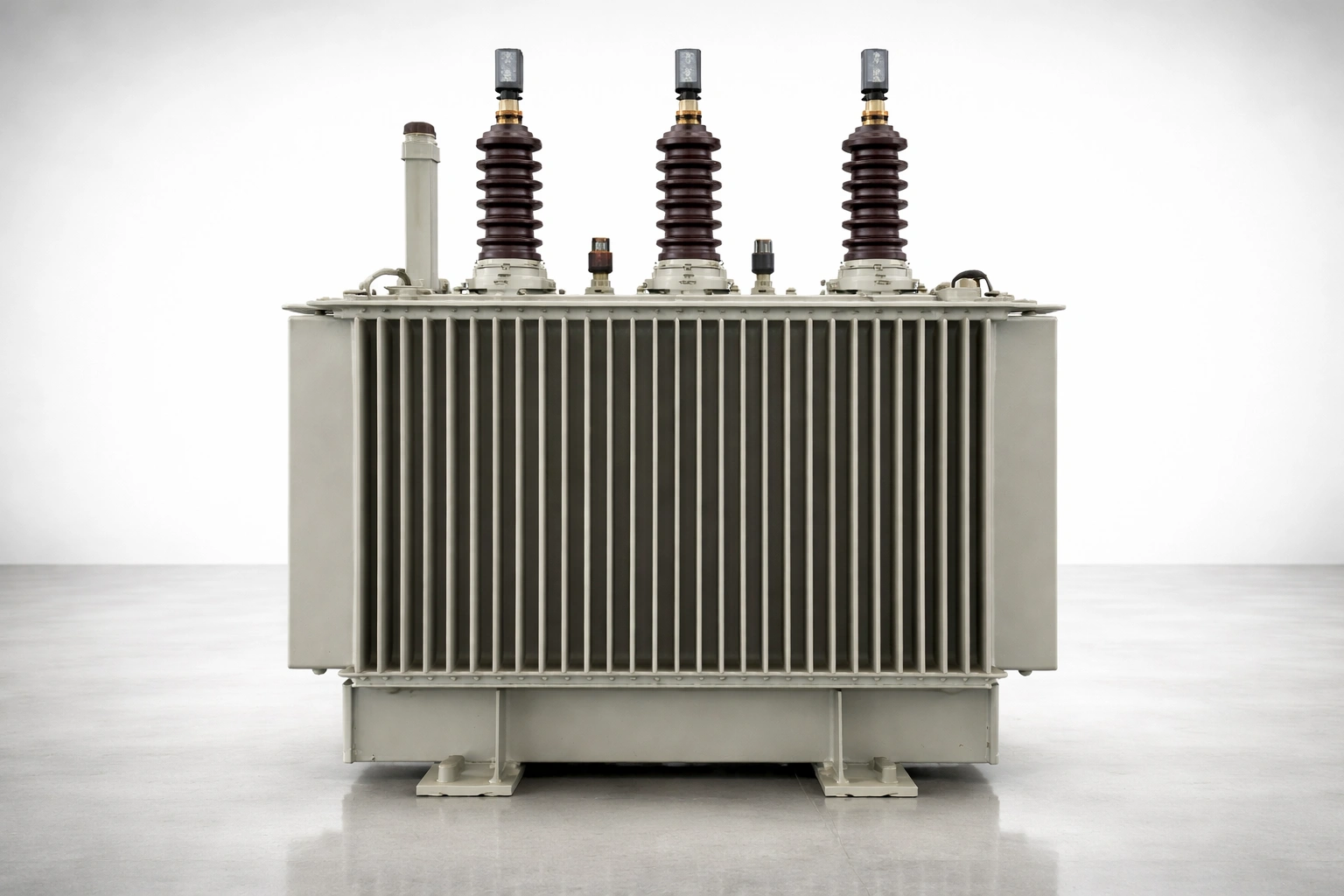
Step down transformers sit at the transition point between higher-voltage networks and utilization-level systems. Their performance directly affects how power is delivered to loads.
Utilities rely on step down transformers to ensure consistent service quality across distribution feeders, while industrial operators depend on them to protect critical assets.
Step down transformers are deployed across multiple segments of the power system.
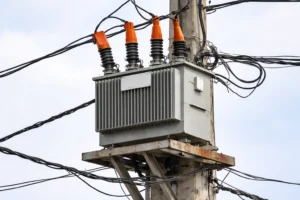
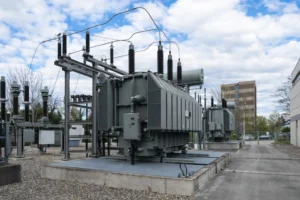
Utilities install step down transformers at substations and along feeders to supply residential, commercial, and industrial customers. These transformers must perform reliably across a wide range of loading conditions.
In utility-scale solar projects, step down transformers support auxiliary systems, protection equipment, and downstream distribution—often operating alongside power transformer manufacturers supplying step up transformers for grid interconnection.
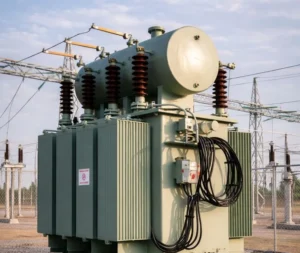
Industrial plants rely on step down transformers to protect motors, drives, and control systems from upstream voltage variation and transient events.
Selecting the right step down transformer requires more than matching voltage ratings.
Step down transformer reliability is built during manufacturing. Inconsistent winding geometry, core construction, or insulation placement can compromise voltage stability.
Experienced substation transformer manufacturers apply the same discipline to step down transformers as they do to larger substation assets, ensuring dependable downstream performance.
Step down transformers operate in coordination with protection and monitoring equipment that safeguards downstream networks.
Effective integration requires compatibility with:
This coordination ensures faults are detected quickly and isolated safely without disrupting broader system operation.
Although step down transformers are often smaller than transmission assets, delays can still impact commissioning schedules—especially when tied to substation energization or facility start-up.
Utilities and EPCs should favor manufacturers that offer:
Execution reliability at this stage helps prevent downstream project delays.
Many utilities and EPCs manage portfolios rather than individual projects. Step down transformer suppliers must scale production without sacrificing quality.
Indicators of scalability include:
Manufacturers that scale reliably simplify procurement and reduce engineering rework across programs.
Unimacts delivers step down transformers through a manufacturing-first approach aligned with utility, solar, and industrial requirements.
This approach enables customers to deploy downstream power infrastructure with confidence in both performance and delivery.
Choosing the right step down transformer is essential for reliable downstream power delivery. Voltage stability, equipment protection, and long-term system performance all depend on transformer quality, design discipline, and manufacturing execution.
Utilities, solar EPCs, and industrial operators can partner with Unimacts to source step down transformers engineered for stable downstream power delivery, long service life, and dependable execution across power networks.
1. What is the primary role of a step down transformer?
To reduce higher voltage to safe, usable levels for downstream equipment and networks.
2. How do step down transformers affect power quality?
They stabilize voltage, reduce fluctuations, and protect sensitive equipment.
3. Where are step down transformers commonly used?
In substations, distribution networks, industrial facilities, and auxiliary renewable systems.
4. Why is manufacturing quality important for step down transformers?
Because voltage regulation and reliability depend on precise construction and insulation integrity.
5. How do utilities evaluate step down transformer manufacturers?
Based on voltage performance, quality systems, testing discipline, and delivery reliability.