
Anupreethi
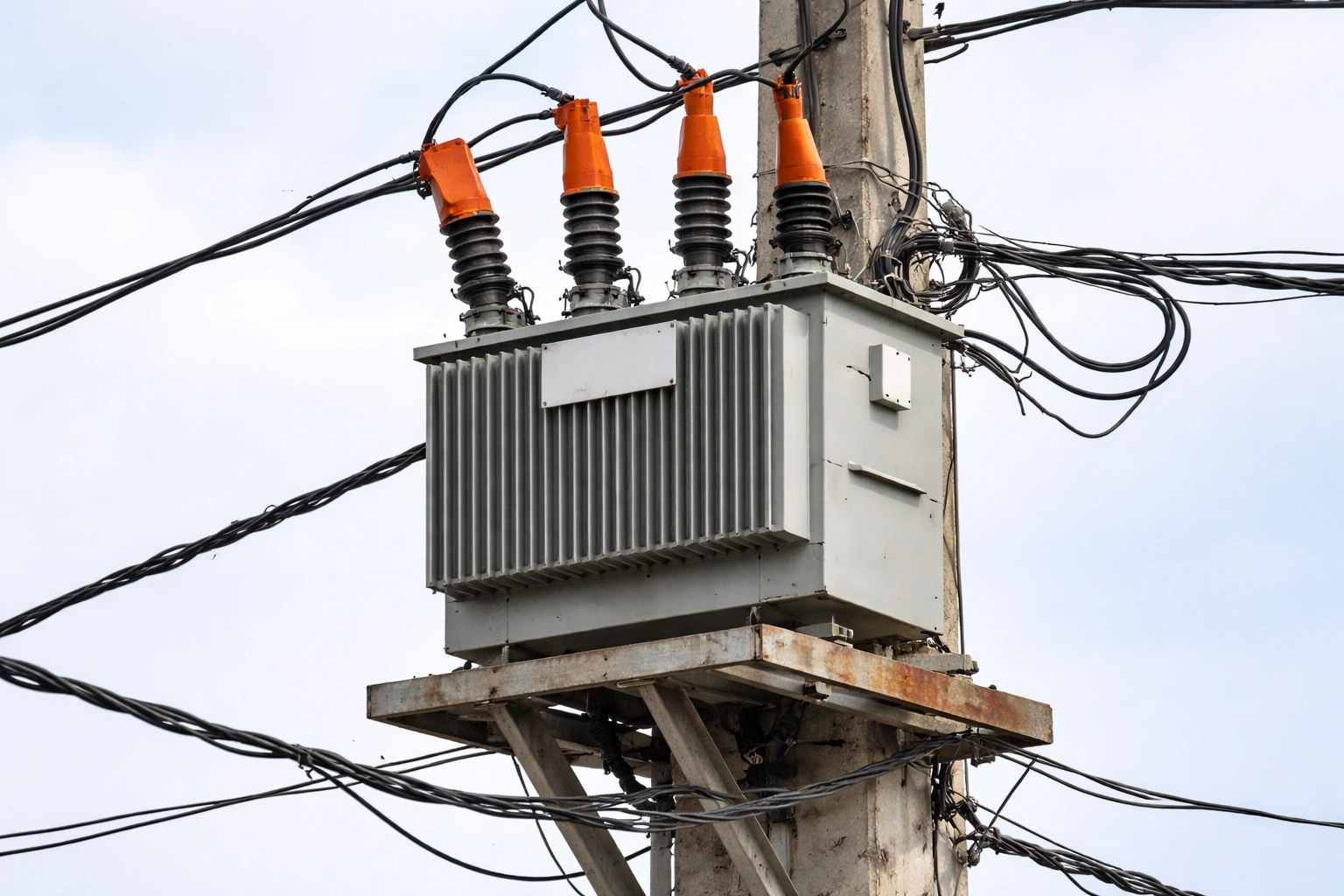
Power and distribution transformers are foundational to U.S. electrical infrastructure, enabling reliable transmission, grid-edge distribution, and renewable energy interconnection. From high-voltage substations to downstream utility feeders, transformer performance directly affects grid reliability, safety, and project timelines.
As utilities modernize aging infrastructure and solar and storage deployments accelerate, demand for dependable power transformer manufacturers and distribution transformer manufacturers in the U.S. has increased sharply. EPCs and utilities are no longer evaluating suppliers solely on product availability—they are assessing transformer manufacturing companies based on manufacturing depth, compliance readiness, delivery reliability, and long-term field performance.
This blog highlights top power and distribution transformer manufacturers in the U.S., while also outlining what utilities and EPCs should look for when selecting a transformer partner.
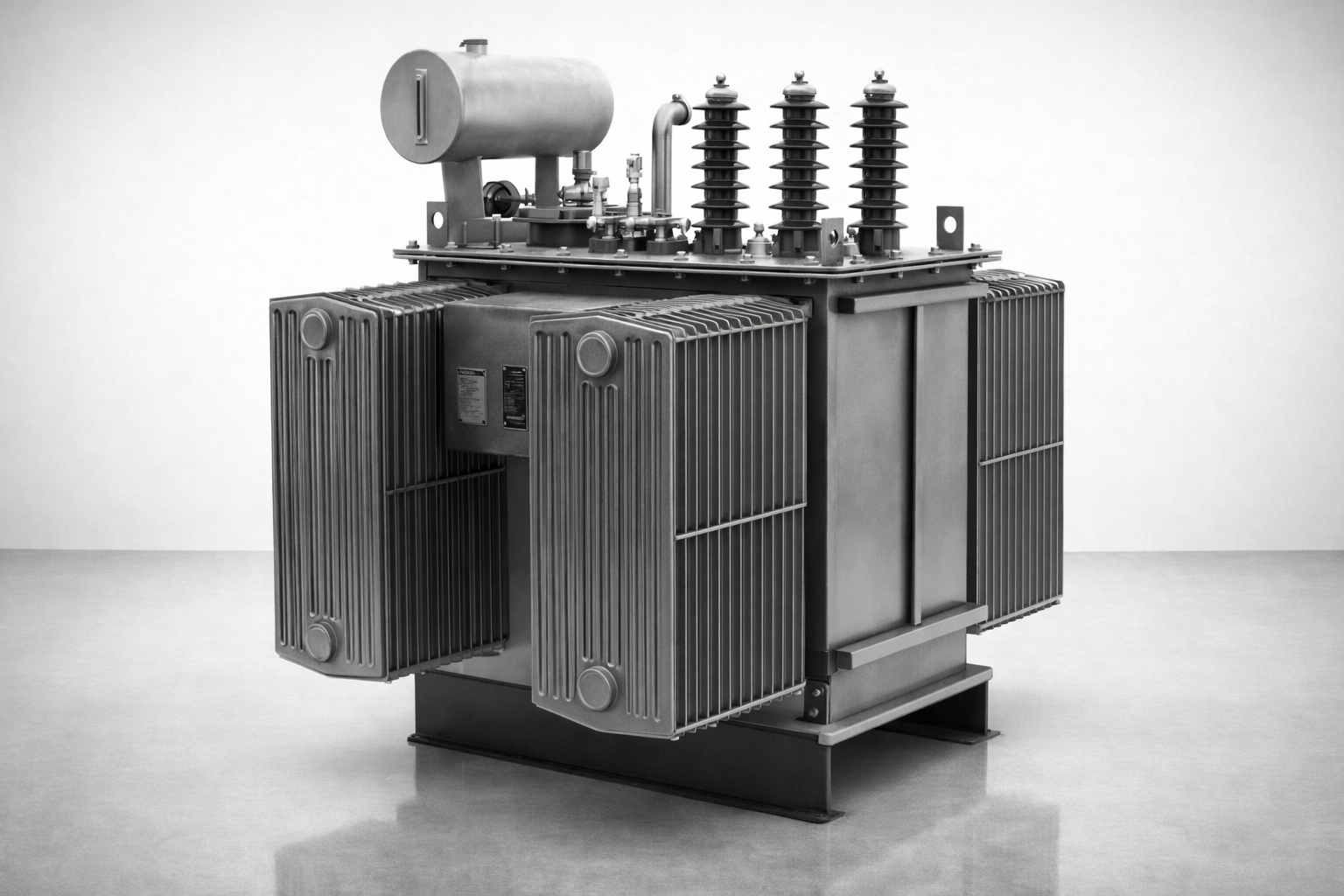
Before reviewing the list, it’s important to understand how utilities and EPCs evaluate power transformers manufacturers and distribution transformers manufacturers.
Manufacturers that meet these criteria are typically approved for long-term utility frameworks rather than one-off procurement.
The following list represents leading power transformer manufacturers in USA and distribution transformer manufacturers serving utility, EPC, and renewable energy markets.
(Listed alphabetically, not ranked.)
Although often evaluated together, power and distribution transformers serve distinct roles.
Utilities rely on experienced power transformer manufacturers in USA to ensure reliability at transmission nodes.
Strong distribution transformer manufacturers help utilities reduce losses and improve service reliability.
While many buyers search for power transformer manufacturers USA, geography alone does not guarantee execution reliability. Utilities increasingly prioritize:
Globally enabled transformer manufacturing companies with strong U.S. utility alignment often provide better delivery predictability than purely regional suppliers.
Solar and storage projects place unique demands on transformers, particularly for grid interconnection and COD timelines.
Solar EPCs often evaluate:
Manufacturers that understand renewable project schedules and utility approval processes reduce interconnection risk.
Transformer lead times remain a major concern across the U.S. market. Utilities and EPCs increasingly favor manufacturers that can:
Execution reliability is now as important as technical capability.
Unimacts partners with utilities, EPCs, and renewable developers as a manufacturing-first transformer supplier.
This approach positions Unimacts among dependable power and distribution transformer manufacturers serving the U.S. market.
Selecting the right power and distribution transformer manufacturer is a strategic decision that affects grid reliability, project schedules, and long-term operating performance. As U.S. infrastructure investment accelerates, utilities and EPCs must work with transformer partners that combine engineering rigor, manufacturing discipline, and execution certainty.
Utilities, solar EPCs, and developers planning transmission or distribution upgrades can partner with Unimacts to source power and distribution transformers engineered for U.S. utility compliance, reliable delivery, and long-term performance.
1. What is the difference between power and distribution transformers?
Power transformers serve transmission and substations, while distribution transformers deliver power at the grid edge.
2. Are all power transformer manufacturers in the U.S. utility-approved?
No. Utilities maintain approved manufacturer lists based on compliance and performance history.
3. Why are transformer lead times so long?
Due to material constraints, high demand, and complex manufacturing and testing requirements.
4. Do solar projects require both power and distribution transformers?
Yes. Utility-scale solar projects typically require both for interconnection and auxiliary systems.
5. Can one manufacturer support both power and distribution transformer needs?
Yes, if they have scalable manufacturing and standardized quality systems.