
Anupreethi
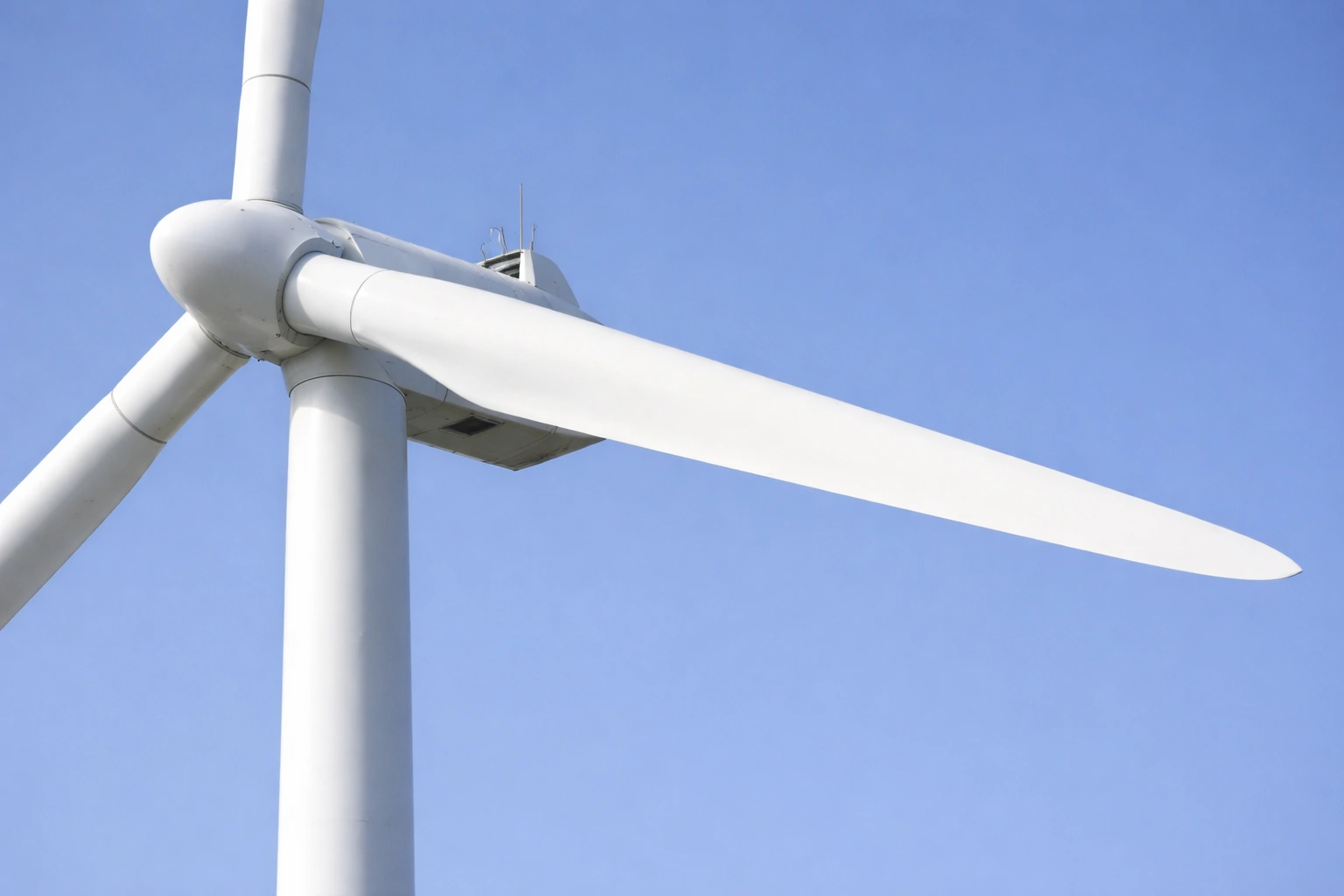
As wind turbine designs evolve across Europe, structural systems are becoming more specialised to support higher capacities, modular assembly, and installation efficiency. Among these, canopy tower structures and internal structural components play a critical role in protecting systems, enabling access, and supporting integration within turbine towers.
Modern wind manufacturing requires precision fabrication across both primary load-bearing structures and secondary structural systems such as canopy towers, platforms, and internal frameworks. These components must align with turbine architecture, installation sequencing, and long-term operational requirements.
Unimacts supports wind OEMs through fabrication capabilities focused on structural components, canopy systems, and integration-ready assemblies designed for both onshore and offshore applications.
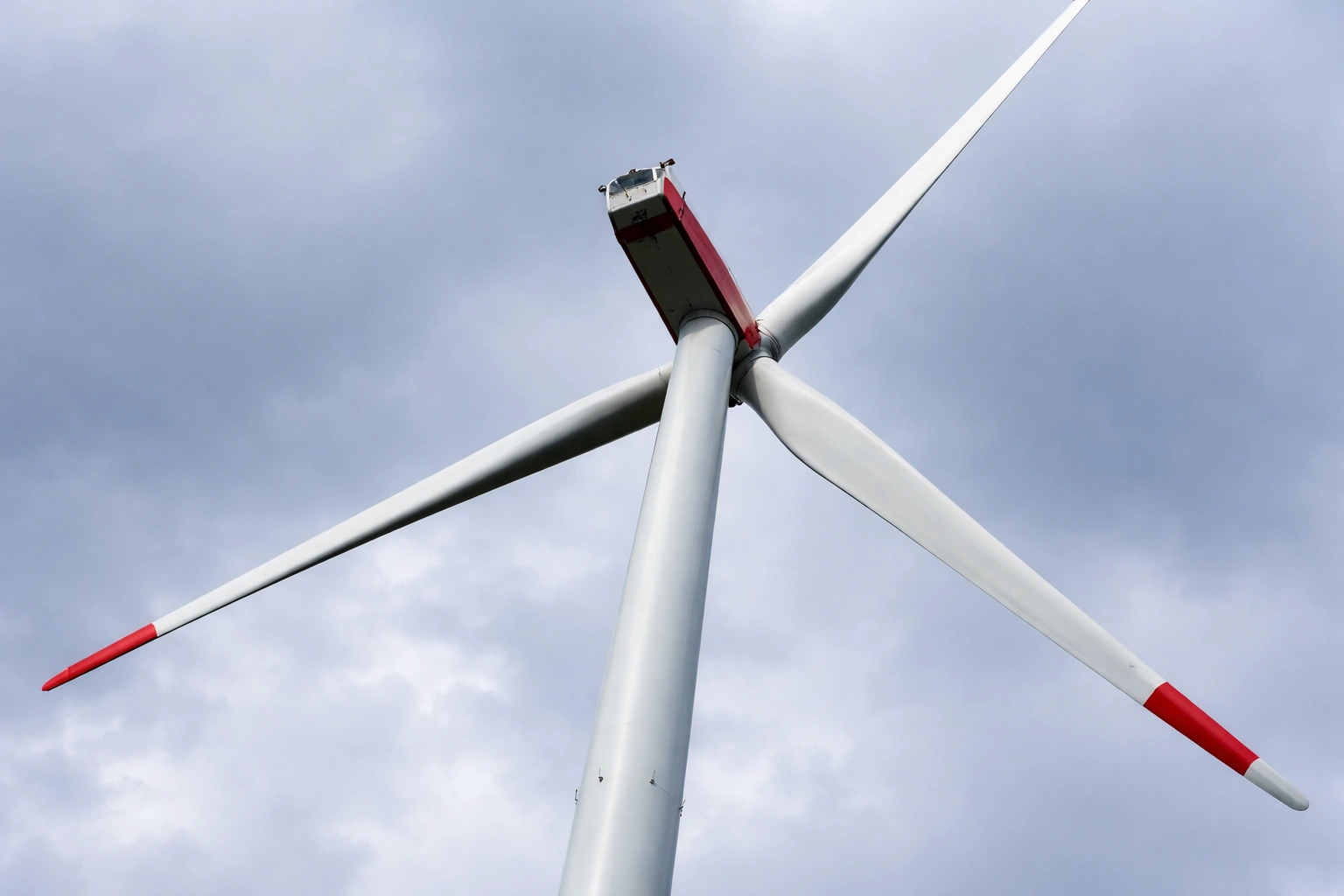
Canopy tower structures are secondary structural systems integrated within or around turbine towers. They serve multiple functions, including:
In some configurations, canopy structures are used at tower bases or intermediate sections to enclose sensitive systems such as control panels or cable interfaces.
Unlike primary tower sections, canopy structures are not designed for major load-bearing functions but must still withstand environmental exposure and operational stress.
Wind turbine systems rely on a wide range of structural components beyond the tower itself.
These include:
These components must be engineered for:
Unimacts manufactures structural wind turbine components using controlled fabrication processes to ensure alignment and repeatability across production.
Canopy tower structures and secondary assemblies require a different fabrication approach compared to heavy structural components.
Key requirements include:
These components often combine:
Fabrication must ensure that canopy systems align with tower geometry and internal system layouts.
Unimacts supports these requirements through fabrication of structural frames, enclosure supports, and integration-ready assemblies.
Canopy structures frequently house or protect electrical systems such as:
Integration considerations include:
Structural supports must ensure that electrical systems remain stable under vibration and environmental conditions.
Unimacts manufactures cable support systems and enclosure mounting structures that align with canopy integration requirements.
Canopy tower structures differ based on project location.
Offshore canopy structures must be engineered with enhanced corrosion protection and environmental sealing to ensure long-term performance.
Unimacts supports offshore wind manufacturing through corrosion-conscious fabrication processes aligned with marine standards.
Wind turbine installation timelines depend heavily on component readiness.
Canopy structures are increasingly designed for:
Benefits include:
Fabrication accuracy is critical to ensure components fit without modification during installation.
Unimacts supports modular manufacturing through program-based production planning and dimensional validation.
Although canopy structures are not primary load-bearing components, they must still withstand:
Durability considerations include:
Well-engineered canopy systems reduce maintenance requirements and protect internal turbine systems.
European wind projects require compliance with:
Even secondary structures must meet these standards to ensure system reliability.
Unimacts operates with structured quality governance, ensuring that canopy and structural components meet regulatory and OEM requirements.
Wind turbine performance depends on how individual components integrate into the overall system.
Canopy structures must align with:
Manufacturing precision ensures:
Unimacts contribute through fabrication of integration-ready structural components designed to support system-level coordination.
Canopy tower structures and secondary structural components play an important role in supporting wind turbine systems. While not primary load-bearing elements, they contribute to system protection, integration, and operational efficiency.
As wind projects scale across Europe, the need for precision fabrication, modular design, and corrosion-resistant manufacturing continues to grow.
Through structural fabrication, enclosure support systems, cable routing frameworks, and integration-ready assemblies, Unimacts supports wind manufacturing requirements across both onshore and offshore environments.
By aligning engineering precision with scalable production, Unimacts contributes to wind turbine systems designed for reliability, efficiency, and long-term performance.
1. What are canopy tower structures in wind turbines?
They are secondary structures used to protect equipment and support access within turbine systems.
2. Are canopy structures load-bearing?
No, they are typically non-primary structural components.
3. What systems are housed within canopy structures?
Electrical panels, cable systems, and monitoring equipment.
4. How do offshore canopy structures differ from onshore?
They require enhanced corrosion protection and sealing.
5. Does Unimacts manufacture canopy structures?
Yes. Unimacts fabricates structural components, frames, and integration-ready assemblies for wind turbine systems.