


Anupreethi

As wind farms scale across Europe—both onshore and offshore—the need for efficient grid integration infrastructure is becoming increasingly critical. Wind Power Substations serve as the central node where generated power is collected, transformed, and transmitted to the grid.
To meet deployment timelines and reduce on-site complexity, developers are increasingly adopting prefabricated electrical infrastructure. These modular systems combine structural fabrication, electrical integration, and factory-based assembly to improve quality control and installation efficiency.
This shift reflects a broader move toward industrialised wind energy systems, where manufacturing precision and pre-integration drive project performance.
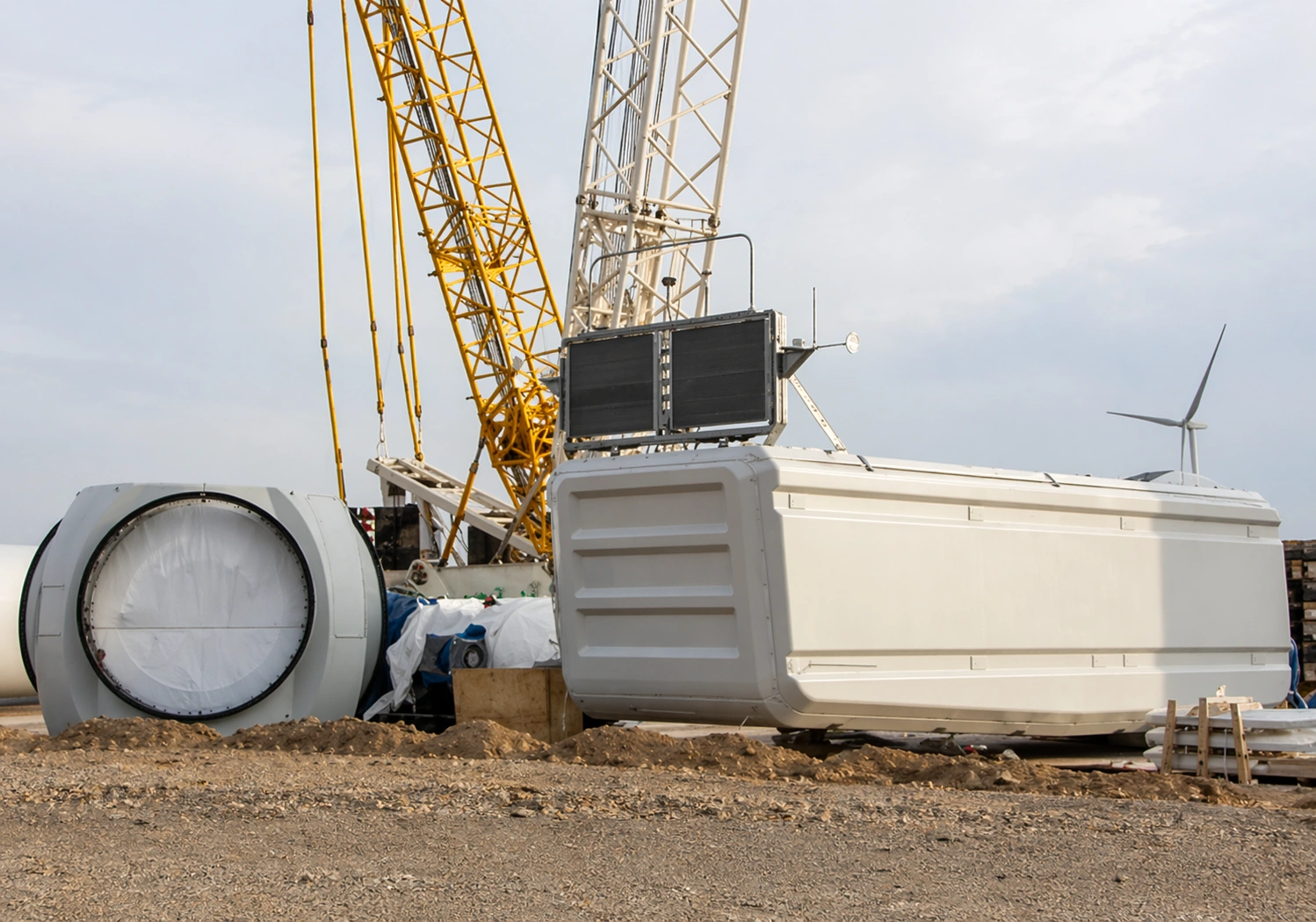
Wind power substations are responsible for:
Typical voltage transformation includes:
Substations integrate key systems such as:
The performance of wind power substations directly impacts grid stability and energy delivery efficiency.
Traditional substations involve significant on-site construction, leading to longer timelines and higher variability in quality.
Prefabricated electrical infrastructure introduces:
Advantages include:
Modules may include:
This approach is particularly valuable in remote onshore locations and offshore platforms where installation windows are limited.
Prefabricated substation modules require robust structural design to support heavy electrical equipment.
Key structural elements include:
Engineering considerations:
Unimacts supports wind infrastructure through precision structural fabrication, including heavy steel frames, enclosure systems, and mounting assemblies designed for prefabricated electrical modules.
Prefabricated substations integrate electrical systems at the factory stage, including:
This pre-integration reduces:
Electrical enclosure systems must be designed to support thermal management, accessibility, and compliance with IEC standards.
Unimacts manufactures structural enclosures and electrical cabinet systems that support integration-ready electrical infrastructure.
Prefabricated substation modules must be engineered for transport from manufacturing facilities to installation sites.
Key considerations:
For offshore wind farms, transport planning includes:
Factory-built modules reduce offshore installation time, minimising exposure to weather-related delays.
While core electrical functions remain consistent, offshore and onshore substations differ in engineering requirements.
Onshore substations:
Offshore substations:
Prefabrication is particularly advantageous offshore, where installation windows are constrained and on-site construction is costly.
Wind power substations must comply with:
Manufacturing requirements include:
Factory-based prefabrication enables better control over these processes compared to site-based construction.
Unimacts operates with structured quality systems supporting compliance across structural fabrication and electrical enclosure manufacturing.
As wind farms increase in size and complexity, substations must be designed for scalability.
Considerations include:
Prefabricated infrastructure supports modular expansion, allowing developers to scale capacity without redesigning entire substations.
Wind Power Substations are critical to the performance and reliability of wind farms. The transition toward prefabricated electrical infrastructure reflects the industry’s need for faster deployment, improved quality control, and reduced installation complexity.
Structural engineering, electrical integration, transport planning, and compliance governance must work together to deliver efficient substation systems.
Through precision structural fabrication, electrical enclosure manufacturing, and integration-ready assemblies, Unimacts supports wind infrastructure development aligned with European standards and deployment requirements.
As wind energy systems continue to industrialise, prefabrication and modular design will play an increasingly central role in enabling scalable and reliable grid integration.
1. What are wind power substations used for?
They collect turbine output, step up voltage, and transmit electricity to the grid.
2. What is prefabricated electrical infrastructure?
Factory-built modular systems that integrate structural and electrical components before site installation.
3. Why are prefabricated substations beneficial?
They reduce installation time, improve quality control, and minimise on-site work.
4. Are prefabricated substations used offshore?
Yes. They are widely used offshore due to limited installation windows and space constraints.
5. Does Unimacts support substation manufacturing?
Yes. Unimacts provides structural fabrication, enclosure systems, and integration-ready components for wind power infrastructure.