
Anupreethi
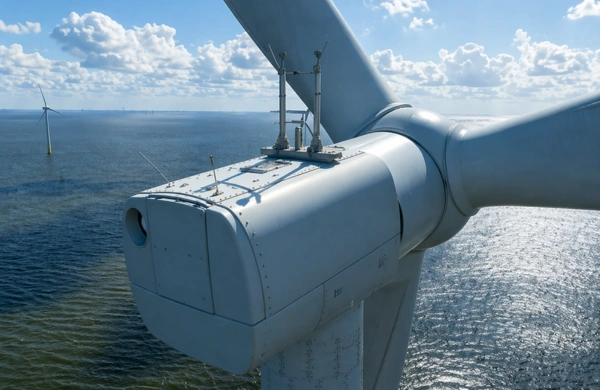
Wire and cable systems are fundamental to wind energy infrastructure, enabling power transmission, control communication, and system coordination across turbines and substations. As wind projects scale across Europe—particularly in offshore environments—cable systems must be engineered for reliability, durability, and integration efficiency.
Unlike conventional power systems, wind turbines operate under dynamic conditions, including continuous movement, vibration, and environmental exposure. These factors place unique demands on cable design, installation practices, and long-term performance.
This blog explores the key aspects of wire and cable systems in wind projects, focusing on design considerations, installation requirements, and performance expectations.
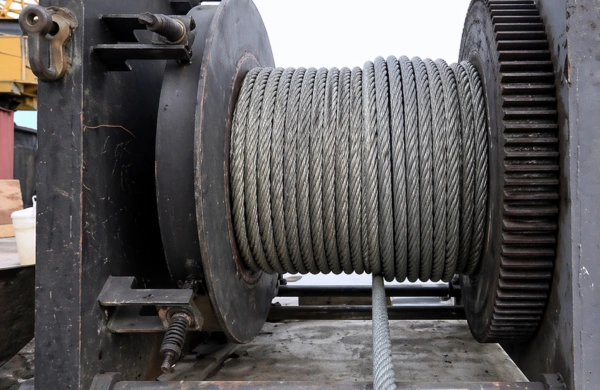
Cable system design in wind projects must account for multiple functional requirements.
Key cable categories include:
Design considerations include:
Cable design must also ensure compatibility with turbine architecture and grid integration requirements.
Wind turbines introduce continuous mechanical movement that affects cable systems.
Key challenges include:
To address these challenges, cable systems are designed with:
Proper design reduces mechanical stress and prevents premature cable failure.
Cable routing is a critical aspect of wind project design.
Key routing areas include:
Routing requirements include:
Cable trays, supports, and routing frameworks ensure organised cable placement and reduce risk of damage.
Unimacts supports wind projects through fabrication of cable routing systems and structural supports designed for integration within turbine and substation infrastructure.
Cable installation is a major phase in wind project execution.
Key installation factors include:
Installation challenges include:
Efficient installation practices reduce project timelines and minimise the risk of damage during deployment.
Cable systems must operate reliably under varying environmental conditions.
Onshore conditions:
Offshore conditions:
To address these challenges, cable systems incorporate:
Environmental protection is critical to maintaining long-term cable performance.
Electrical cables generate heat during operation, especially under high load conditions.
Thermal considerations include:
Improper thermal management can lead to insulation degradation and reduced system efficiency.
Cable routing and enclosure design must work together to maintain safe operating temperatures.
Cable systems must integrate with:
Integration requirements include:
Effective integration ensures seamless power transmission and communication between turbine subsystems.
Wind turbine cable systems are expected to operate for 20+ years with minimal intervention.
Key lifecycle considerations include:
Well-designed cable systems reduce maintenance costs and improve overall project reliability.
Cable systems in European wind projects must comply with:
Compliance ensures safe operation and alignment with regulatory frameworks.
Manufacturing and installation accuracy are critical to meeting these standards.
While cables themselves are specialised products, their performance depends on supporting infrastructure.
Structural components such as:
play a key role in ensuring proper cable installation and protection.
Unimacts supports wind projects through fabrication of these structural elements, enabling organised cable routing and system integration.
Wire and cable systems are essential to wind energy infrastructure, enabling power transmission and system coordination across turbines and substations.
Design, installation, and performance must be carefully managed to ensure reliability under dynamic operating conditions and environmental exposure.
As wind projects grow in scale and complexity, the importance of integrated cable system design and supporting structural infrastructure continues to increase.
Through structural fabrication, cable routing systems, and integration-ready components, Unimacts contributes to wind projects that prioritise electrical reliability, installation efficiency, and long-term performance.
1. What types of cables are used in wind projects?
MV power cables, LV control cables, fiber optics, and grounding conductors.
2. Why is cable flexibility important?
It allows cables to withstand movement and vibration within turbines.
3. How are cables protected in wind turbines?
Through routing systems, enclosures, and protective sheathing.
4. What challenges affect offshore cable systems?
Corrosion, moisture, and limited maintenance access.
5. Does Unimacts support cable system infrastructure?
Yes. Unimacts manufactures cable routing systems and structural supports for wind projects.